

Introduction
Clothing is an important part of daily life, and proper care plays a major role in maintaining its appearance, comfort, and usefulness. Buying quality clothes is only the first step; how you wash, store, and maintain them determines how long they remain in good condition.
A good clothing care routine helps protect your investment, reduce unnecessary replacements, and keep your wardrobe looking fresh for a longer time.
Why Taking Care of Clothes Is Important
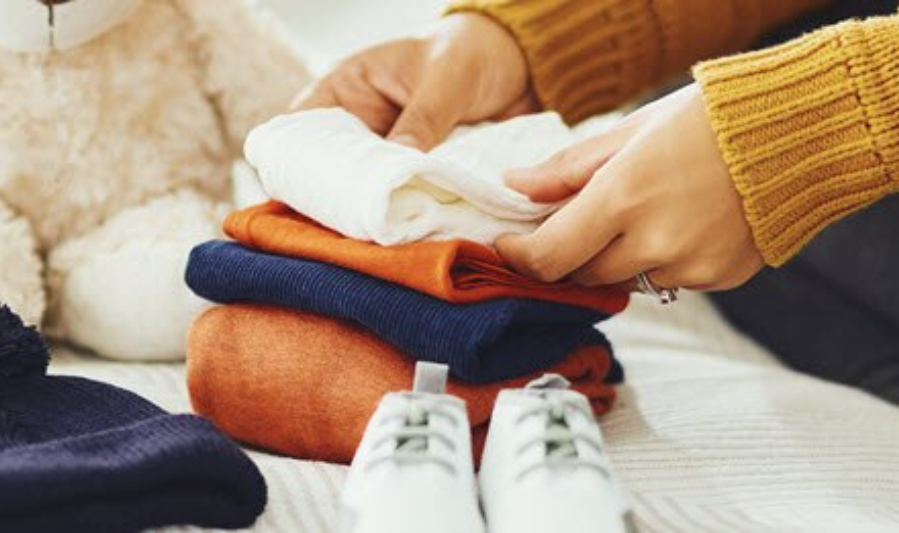
Taking care of clothes helps preserve their fabric, color, shape, and overall quality. Regular maintenance ensures that garments continue to look and feel good even after repeated use.
Benefits of Proper Clothing Care
- Extends clothing lifespan
- Maintains fabric quality
- Prevents damage and wear
- Keeps clothes looking attractive
- Improves comfort and appearance
Simple habits such as proper washing, careful storage, and timely repairs can significantly improve the life of your clothing.
How Proper Care Saves Money
Clothing can be a major expense over time, especially when items need frequent replacement. Proper care helps you get more value from every purchase.
Ways Clothing Care Saves Money
- Reduces the need for replacements
- Prevents avoidable damage
- Protects expensive garments
- Keeps everyday items usable for longer
- Maximizes cost per use
A well-maintained wardrobe allows you to spend less on replacing clothes and more on meaningful purchases.
The Connection Between Clothing Care and Sustainability
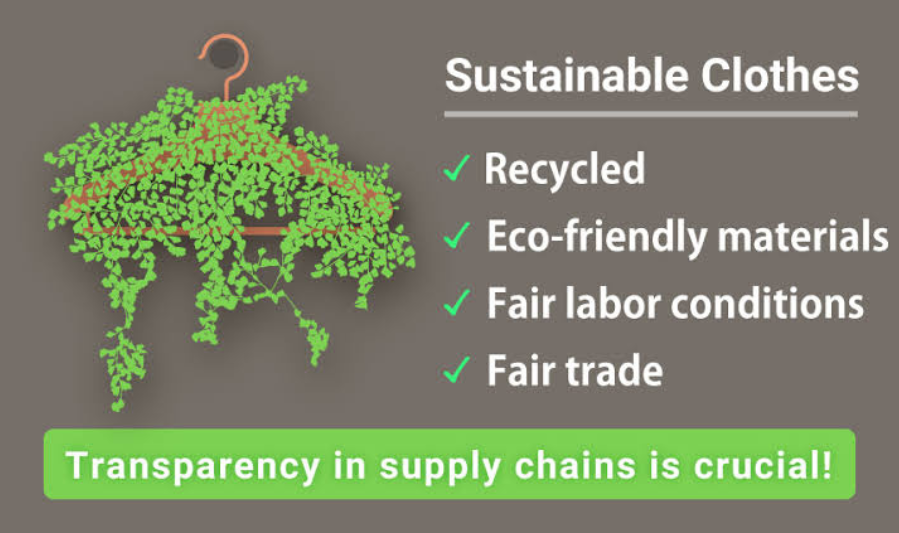
Proper clothing care supports sustainable fashion by reducing waste and encouraging responsible consumption. When clothes last longer, fewer resources are needed to produce and replace garments.
How Clothing Care Supports Sustainability
- Reduces textile waste
- Lowers demand for unnecessary purchases
- Encourages reuse and repair
- Extends the life of existing clothing
- Promotes mindful consumption
Taking care of your wardrobe is a simple way to make more environmentally responsible choices.
How Good Maintenance Preserves Style and Comfort
Clothing maintenance helps preserve the original look, fit, and feel of garments. Even high-quality clothing can lose its appeal if it is not cared for properly.
Good Maintenance Helps Preserve
- Fabric softness
- Original colors
- Proper shape and fit
- Comfort during wear
- Overall appearance
Clean, well-maintained clothing creates a more polished and confident appearance.
Common Problems Caused by Poor Clothing Care
Poor maintenance can quickly damage clothing and reduce its usefulness. Many common clothing problems can be avoided with simple care habits.
Common Clothing Care Problems
- Fading colors
- Shrinking fabrics
- Stretched shapes
- Fabric damage
- Unpleasant odors
- Stains becoming permanent
- Loose stitching and tears
Causes of Poor Clothing Condition
- Washing incorrectly
- Using unsuitable cleaning products
- Over-drying clothes
- Improper storage
- Ignoring small repairs
Understanding proper care methods helps prevent these problems and keeps your wardrobe in better condition.
What You Will Learn in This Complete Guide
This complete guide will help you understand how to properly care for different types of clothing and maintain a long-lasting wardrobe.
In This Guide, You Will Learn
- How to wash clothes correctly
- How to store clothing properly
- How to care for different fabrics
- How to remove common stains
- How to repair and maintain garments
- How to protect clothing from damage
- How to extend the lifespan of your wardrobe
- How to create better clothing care habits
By following the principles in this guide, you can protect your clothing investment, maintain your personal style, and build a more sustainable and efficient wardrobe.
Understanding Your Clothes
Understanding your clothes is the first step toward proper clothing care and smarter purchasing decisions. When you know how garments are made, what materials they use, and how they are constructed, you can choose better products and maintain them more effectively.
A deeper understanding of clothing helps you protect fabrics, recognize quality, and extend the lifespan of your wardrobe.
Knowing Fabric Types
Different fabrics have different characteristics, care requirements, and levels of durability. Understanding fabric types helps you choose appropriate washing, drying, and storage methods.
Common Fabric Types
Cotton
- Soft and comfortable
- Breathable and suitable for everyday wear
- Easy to maintain
- May shrink if washed incorrectly
Linen
- Lightweight and highly breathable
- Ideal for warm weather
- Naturally textured appearance
- Requires careful handling to reduce wrinkles
Wool
- Provides warmth and insulation
- Suitable for winter clothing
- Requires gentle cleaning methods
- Can maintain shape with proper care
Denim
- Strong and durable fabric
- Commonly used for jeans and jackets
- Can last for many years with proper maintenance
- Benefits from careful washing
Synthetic Fabrics
- Often durable and easy to maintain
- Common in sportswear and performance clothing
- May require specific washing instructions
Why Fabric Knowledge Matters
- Helps choose suitable clothing for different seasons
- Prevents fabric damage
- Improves washing decisions
- Helps identify quality materials
- Extends clothing lifespan
Knowing your fabrics allows you to care for each garment according to its specific needs.
Understanding Clothing Construction
Clothing construction refers to how a garment is designed, assembled, and finished. The quality of construction often determines how long a piece of clothing will last.
Important Construction Details
Stitching Quality
- Strong and even stitching improves durability.
- Loose threads or uneven seams may indicate poor construction.
Seams
- Well-finished seams create stronger garments.
- Reinforced areas usually handle wear better.
Fabric Finishing
- Quality finishing improves appearance and comfort.
- Smooth edges and clean details show better craftsmanship.
Closures and Details
- Strong zippers, buttons, and fasteners improve usability.
- Secure attachments help prevent early damage.
Understanding construction helps you evaluate clothing beyond appearance.
Recognizing Quality Materials
Quality materials contribute to better comfort, durability, and overall clothing performance. Learning to identify good materials helps you make smarter purchases.
Signs of Quality Materials
- Strong and comfortable fabric
- Consistent texture
- Good color retention
- Appropriate weight for the garment type
- Resistance to excessive wear
How to Check Material Quality
- Read fabric labels.
- Feel the texture of the fabric.
- Check thickness and structure.
- Look for reliable manufacturing details.
- Consider how the material will be used.
Benefits of Choosing Quality Materials
- Longer clothing lifespan
- Better comfort
- Improved appearance
- Fewer replacements
- Better value over time
Understanding fabric types, clothing construction, and material quality allows you to make more informed clothing choices. By learning what makes garments durable and how different materials behave, you can care for your wardrobe properly and invest in pieces that provide long-term value.
Importance of Clothing Care Labels
Clothing care labels provide essential information about how to properly maintain garments. These labels are designed to protect fabrics, preserve clothing quality, and prevent damage caused by incorrect washing, drying, or handling methods.
Following care instructions helps extend the lifespan of your clothes and keeps them looking their best.
Washing Instructions
Washing instructions explain the safest method for cleaning a garment. Different fabrics react differently to water temperature, washing methods, and cleaning products.
Common Washing Information
- Recommended water temperature
- Hand wash or machine wash instructions
- Suitable washing cycles
- Detergent recommendations
- Warnings about special treatments
Why Washing Instructions Matter
Following proper washing methods helps:
- Prevent fabric damage
- Maintain color quality
- Avoid shrinking
- Protect garment shape
- Extend clothing lifespan
For example, delicate fabrics may require gentle washing, while durable fabrics may handle regular machine washing.
Drying Instructions
Drying methods can significantly affect the condition of clothing. Incorrect drying can cause shrinking, stretching, fading, or fabric damage.
Common Drying Instructions
- Air drying recommendations
- Tumble drying settings
- Drying temperature limits
- Flat drying instructions
- Warnings against specific drying methods
Benefits of Proper Drying
- Maintains fabric shape
- Prevents unnecessary wear
- Protects delicate materials
- Keeps garments comfortable
Always check drying instructions because some fabrics require special handling after washing.
Ironing Instructions
Ironing instructions explain the safest way to remove wrinkles without damaging the fabric. Different materials require different heat levels.
Common Ironing Guidelines
- Maximum ironing temperature
- Whether steam is allowed
- Whether ironing should be done inside out
- Fabrics that should not be ironed
Why Proper Ironing Matters
Correct ironing helps:
- Maintain a neat appearance
- Protect fabric fibers
- Prevent burns or shine marks
- Preserve garment shape
Using the correct temperature ensures that clothing remains smooth without causing damage.
Special Care Requirements
Some garments require additional care because of delicate fabrics, special finishes, or unique construction.
Examples of Special Care
- Dry cleaning
- Gentle hand washing
- Professional cleaning
- Avoiding bleach
- Special storage methods
Clothing That May Need Special Care
- Wool garments
- Silk clothing
- Formal wear
- Luxury fabrics
- Embellished clothing
Benefits of Following Special Care Instructions
- Preserves expensive garments
- Maintains original appearance
- Prevents permanent damage
- Extends clothing lifespan
Clothing care labels are an important guide for maintaining your wardrobe. By following washing, drying, ironing, and special care instructions, you can protect your clothes, save money on replacements, and keep your garments looking fresh and comfortable for longer.
Creating a Clothing Care Routine
A consistent clothing care routine helps maintain the quality, appearance, and lifespan of your wardrobe. Proper care does not require complicated methods; simple daily, weekly, and seasonal habits can make a significant difference.
A well-planned routine protects your clothing investment, keeps garments organized, and reduces unnecessary replacements.
Daily Clothing Habits
Daily clothing habits are small actions that help prevent damage and keep clothes in good condition between washes and wears.
Useful Daily Care Habits
- Hang or fold clothes properly after use.
- Allow worn clothing to air out before storing.
- Avoid placing clothes on dirty surfaces.
- Check for stains and address them quickly.
- Keep shoes clean and stored properly.
- Handle delicate fabrics carefully.
Benefits of Daily Care
- Prevents wrinkles
- Reduces unnecessary washing
- Keeps clothing organized
- Helps identify small problems early
- Maintains a fresh appearance
Simple daily habits help protect clothing and make future maintenance easier.
Weekly Maintenance
Weekly clothing maintenance focuses on cleaning, organizing, and checking the condition of your wardrobe.
Weekly Care Tasks
- Wash clothes according to care labels.
- Separate colors and fabric types before washing.
- Check garments for loose threads or damage.
- Fold or hang clean clothes properly.
- Organize recently washed items.
- Clean frequently used footwear and accessories.
Benefits of Weekly Maintenance
- Keeps clothes fresh and ready to wear
- Prevents damage from being ignored
- Maintains fabric quality
- Makes wardrobe management easier
- Extends clothing lifespan
A regular weekly routine reduces the chances of clothing becoming damaged or neglected.
Seasonal Clothing Care
Seasonal clothing care involves preparing your wardrobe for changes in weather. Proper storage and maintenance help protect clothes that are not used regularly.
Seasonal Care Tasks
- Clean clothes before storing them.
- Repair damaged items before the next season.
- Store winter or summer clothing properly.
- Use suitable storage containers.
- Protect clothing from moisture and insects.
- Review your wardrobe before seasonal changes.
Benefits of Seasonal Care
- Keeps stored clothing in good condition
- Prevents unpleasant odors
- Saves time when seasons change
- Helps identify future clothing needs
- Reduces unnecessary purchases
Seasonal Organization Tips
Before storing clothing:
- Wash and dry garments completely.
- Remove stains.
- Fold items carefully.
Before wearing stored clothing again:
- Check for damage.
- Refresh fabrics if needed.
- Confirm proper fit and condition.
Creating a clothing care routine helps you protect your wardrobe with simple, consistent actions. By practicing daily habits, completing weekly maintenance, and caring for seasonal clothing properly, you can keep your clothes looking better, lasting longer, and providing greater value over time.
Cotton Clothing Care
Cotton is one of the most popular clothing fabrics because it is soft, breathable, comfortable, and suitable for everyday wear. However, proper care is important to maintain its shape, color, and durability.
Following the correct washing, drying, and maintenance methods helps cotton clothing stay comfortable and attractive for a longer time.
Proper Washing Methods
Cotton clothing is generally easy to wash, but incorrect washing methods can cause shrinking, fading, or fabric damage.
Washing Tips for Cotton Clothes
- Check the care label before washing.
- Use a suitable water temperature.
- Separate dark and light colors.
- Use a gentle washing cycle when needed.
- Avoid using excessive detergent.
- Turn printed or colored cotton garments inside out before washing.
Best Practices
- Wash delicate cotton items separately.
- Avoid harsh chemicals that can weaken fibers.
- Do not overload the washing machine.
- Treat stains as soon as possible.
Proper washing helps maintain the softness, color, and structure of cotton garments.
Drying Recommendations
Drying methods have a major effect on cotton clothing. Excessive heat or improper drying can cause shrinking and changes in fabric shape.
Recommended Drying Methods
- Air drying is often the safest option.
- Lay delicate cotton items flat to dry.
- Use low heat settings if using a dryer.
- Remove clothes promptly after drying.
Drying Tips
- Avoid high heat whenever possible.
- Do not leave wet cotton clothes compressed for long periods.
- Reshape garments while they are slightly damp.
- Keep clothes away from direct harsh sunlight when fading is a concern.
Proper drying helps cotton clothing maintain its original fit and appearance.
Preventing Shrinkage and Fading
Cotton fibers can shrink or lose color when exposed to unsuitable washing and drying conditions. Taking preventive steps helps protect your garments.
How to Prevent Shrinkage
- Avoid very hot water.
- Use gentle washing cycles.
- Avoid excessive dryer heat.
- Follow manufacturer care instructions.
- Choose pre-shrunk cotton when possible.
How to Prevent Fading
- Wash dark colors separately.
- Turn garments inside out before washing.
- Avoid unnecessary washing.
- Use mild detergents.
- Limit prolonged exposure to strong sunlight.
Additional Cotton Care Tips
- Fold cotton knitwear to prevent stretching.
- Iron using the recommended temperature.
- Store clothing in a dry, clean place.
Proper cotton clothing care helps preserve comfort, color, and durability. By using suitable washing methods, careful drying techniques, and preventive maintenance, you can extend the lifespan of your cotton garments and keep them looking fresh for years.
Linen Clothing Care
Linen is a lightweight, breathable, and comfortable fabric that is especially popular for warm weather clothing. Its natural texture gives garments a relaxed and elegant appearance, but proper care is important to maintain its softness, shape, and durability.
With the right washing, drying, and maintenance methods, linen clothing can remain comfortable and stylish for many years.
Washing Linen Properly
Linen fibers are strong but require gentle handling to maintain their quality. Incorrect washing methods can cause unnecessary wear or changes in texture.
Washing Tips for Linen Clothes
- Check the care label before washing.
- Use cold or lukewarm water when recommended.
- Choose a gentle washing cycle.
- Use mild detergent.
- Avoid harsh chemicals and bleach.
- Wash linen garments separately when needed.
Best Practices
- Do not overload the washing machine.
- Avoid excessive rubbing of delicate linen items.
- Treat stains quickly.
- Wash darker linen colors carefully to help maintain their appearance.
Proper washing helps preserve linen’s natural strength, breathability, and comfortable texture.
Reducing Wrinkles
Linen naturally wrinkles because of its lightweight and relaxed fiber structure. These wrinkles are often considered part of linen’s natural style, but proper care can help create a cleaner appearance.
Tips to Reduce Linen Wrinkles
- Remove linen clothes from the washer promptly.
- Shake garments gently before drying.
- Hang linen clothing while slightly damp.
- Smooth fabric with your hands after washing.
- Iron on the recommended heat setting if needed.
Ironing Linen
- Use moderate heat.
- Iron while the fabric is slightly damp.
- Avoid excessive pressure.
- Follow care instructions for delicate blends.
A little texture is natural for linen, and maintaining a relaxed look is often part of its appeal.
Maintaining Softness
Linen becomes softer with regular use and proper care. Gentle maintenance helps preserve its comfortable feel.
Ways to Maintain Linen Softness
- Use mild detergents.
- Avoid harsh fabric treatments.
- Do not over-wash unnecessarily.
- Allow fabric to dry naturally when possible.
- Store linen clothing in a clean, dry place.
Additional Linen Care Tips
- Fold linen garments carefully to avoid permanent creases.
- Avoid storing linen in damp areas.
- Repair small damages early.
- Rotate clothing to reduce excessive wear.
Proper linen care helps maintain the fabric’s natural softness, durability, and elegant appearance. By washing linen gently, managing wrinkles effectively, and using careful maintenance habits, you can enjoy comfortable and long-lasting linen clothing.
Wool Clothing Care
Wool is a warm, durable, and naturally insulating fabric that is commonly used for sweaters, coats, scarves, and other cold-weather clothing. Although wool is strong, it requires careful maintenance to preserve its softness, shape, and quality.
Proper wool care helps prevent damage and allows wool garments to remain comfortable and stylish for many years.
Gentle Washing Techniques
Wool fibers can be sensitive to heat, friction, and harsh cleaning products. Gentle washing methods help protect the fabric and maintain its natural properties.
Washing Tips for Wool Clothing
- Check the care label before cleaning.
- Use cold or lukewarm water when washing.
- Choose a wool-specific or gentle detergent.
- Avoid strong rubbing or twisting.
- Wash by hand or use a gentle machine cycle when recommended.
- Rinse carefully to remove detergent residue.
Best Practices
- Avoid hot water, which can cause shrinking.
- Do not wring wool garments aggressively.
- Handle wet wool carefully because fibers become more delicate.
- Remove excess water by gently pressing with a towel.
Proper washing helps maintain wool’s softness, insulation, and original shape.
Preventing Stretching
Wool garments can lose their shape if they are handled incorrectly, especially when wet. Proper techniques help maintain the structure of sweaters and other wool items.
Ways to Prevent Stretching
- Avoid hanging heavy wool garments.
- Dry wool clothing flat on a clean surface.
- Reshape garments while they are damp.
- Fold sweaters instead of placing them on hangers.
- Avoid pulling or stretching the fabric unnecessarily.
Why Proper Handling Matters
Preventing stretching helps:
- Maintain the original fit
- Preserve garment shape
- Extend clothing lifespan
- Keep wool items looking polished
Careful handling is especially important for knit wool garments.
Proper Storage
Proper storage protects wool clothing from damage during periods when it is not being worn. Good storage practices help prevent wrinkles, odors, and fabric deterioration.
Wool Storage Tips
- Clean garments before long-term storage.
- Fold wool items neatly.
- Store in a dry, well-ventilated place.
- Use breathable storage bags when needed.
- Protect clothing from insects.
- Avoid storing wool in damp areas.
Seasonal Storage
Before storing wool clothing:
- Check for stains or damage.
- Repair loose threads or small issues.
- Ensure garments are completely dry.
- Store them away from direct sunlight.
Proper wool care helps preserve the warmth, softness, and durability of your garments. By using gentle washing techniques, preventing stretching, and storing wool correctly, you can keep your winter clothing in excellent condition for many seasons.
Silk Clothing Care
Silk is a luxurious, lightweight, and delicate fabric known for its smooth texture, natural shine, and elegant appearance. Because silk fibers are sensitive, they require careful handling to maintain their softness, strength, and beauty.
Proper silk care helps prevent damage and allows silk garments to remain comfortable and stylish for a longer time.
Safe Cleaning Methods
Silk requires gentle cleaning methods because harsh washing techniques can weaken fibers, affect texture, or damage the fabric’s appearance.
Cleaning Tips for Silk Clothing
- Always check the care label before cleaning.
- Use gentle detergents designed for delicate fabrics.
- Wash with cool water when hand washing is recommended.
- Avoid strong rubbing or twisting.
- Handle wet silk carefully.
- Follow professional cleaning recommendations when required.
Best Practices
- Test cleaning methods on a small hidden area when unsure.
- Remove stains as soon as possible.
- Avoid harsh chemicals and bleach.
- Do not wash silk with rough fabrics that may cause friction.
Using safe cleaning methods helps preserve silk’s softness, shine, and natural structure.
Protecting Delicate Fibers
Silk fibers are naturally fine and require careful handling to maintain their quality. Proper maintenance protects the fabric from weakening or losing its elegant appearance.
Ways to Protect Silk Fibers
- Avoid excessive washing.
- Store silk away from direct sunlight.
- Use gentle handling when wearing and cleaning.
- Keep silk away from rough surfaces.
- Fold garments carefully to prevent unnecessary stress.
Benefits of Proper Fiber Protection
- Maintains fabric strength
- Preserves smooth texture
- Keeps colors looking fresh
- Extends garment lifespan
- Protects the luxurious appearance of silk
Careful treatment helps silk clothing maintain its premium feel over time.
You may also like to read these posts:
Office Wear for Men: The Complete Style Guide
Men’s Style Guide: Everything You Need to Dress Better
Men’s Seasonal Wardrobe Guide: Essential Outfits for Every Season
Avoiding Damage
Silk can be damaged by heat, moisture, chemicals, and improper storage. Preventing these issues is essential for keeping silk garments in excellent condition.
Common Causes of Silk Damage
- Hot water exposure
- High heat from irons or dryers
- Harsh cleaning products
- Excessive friction
- Improper storage
- Direct sunlight exposure
How to Prevent Silk Damage
- Use low heat when ironing if allowed.
- Place a protective cloth between the iron and silk.
- Avoid machine drying unless specifically permitted.
- Store silk in a cool, dry place.
- Keep garments clean before storage.
Proper silk clothing care requires gentle cleaning, careful handling, and protection from harmful conditions. By following safe cleaning methods, protecting delicate fibers, and avoiding common sources of damage, you can preserve the elegance, comfort, and longevity of silk garments.
Denim Clothing Care
Denim is a durable and versatile fabric commonly used for jeans, jackets, and casual clothing. Although denim is known for its strength, proper care is important to maintain its color, shape, comfort, and overall appearance.
With the right washing and maintenance habits, denim clothing can remain stylish and functional for many years.
Washing Jeans Correctly
Jeans do not always require frequent washing, and excessive washing can affect the fabric, color, and fit. Using the correct washing methods helps preserve denim quality.
Washing Tips for Jeans
- Check the care label before washing.
- Wash jeans when necessary rather than after every use.
- Turn jeans inside out before washing.
- Use cold water to help protect color.
- Choose a gentle washing cycle.
- Use mild detergent when possible.
- Wash dark denim separately from lighter clothing.
Best Practices
- Avoid harsh chemicals that can weaken denim fibers.
- Do not overload the washing machine.
- Close zippers and buttons before washing.
- Remove jeans promptly after washing to prevent wrinkles.
Proper washing helps maintain denim strength and prevents unnecessary fading.
Maintaining Color
The color of denim, especially dark jeans, can fade over time due to washing, heat, and exposure to sunlight. Proper care helps preserve the original appearance.
Ways to Protect Denim Color
- Wash jeans inside out.
- Use cold water instead of hot water.
- Avoid excessive washing.
- Use gentle detergents.
- Keep denim away from prolonged direct sunlight when drying.
Benefits of Color Maintenance
- Keeps jeans looking newer
- Preserves the original shade
- Reduces signs of wear
- Extends the life of the garment
A careful washing routine helps denim maintain its unique appearance.
Preserving Shape
Denim can gradually lose its shape due to frequent washing, improper drying, or excessive stretching. Proper handling helps maintain the original fit.
Tips to Preserve Denim Shape
- Avoid high heat drying.
- Air dry jeans when possible.
- Reshape jeans while slightly damp.
- Avoid unnecessary stretching.
- Store jeans folded or hung properly.
Signs of Good Denim Maintenance
- Jeans maintain their original fit.
- Fabric remains comfortable.
- Seams stay strong.
- The garment keeps its structure.
Preserving the shape of denim helps jeans remain comfortable and stylish throughout their lifespan.
Proper denim clothing care focuses on gentle washing, color protection, and shape maintenance. By using suitable cleaning methods and handling jeans carefully, you can extend their durability, maintain their appearance, and get more value from your denim wardrobe.
Faqs:
How Can I Make My Clothes Last Longer?
You can make your clothes last longer by following care labels, washing them correctly, using suitable detergents, avoiding excessive heat, storing them properly, and repairing small damages before they become bigger problems.
How Often Should Clothes Be Washed?
The washing frequency depends on the fabric type, usage, and level of dirt. Everyday items like underwear and activewear should be washed frequently, while items like jackets, jeans, and sweaters often need less frequent washing.
What Is the Best Way to Remove Stains?
The best way to remove stains is to treat them as soon as possible. Use a fabric-appropriate stain remover, avoid harsh scrubbing, and always check the care instructions before applying any cleaning method.
How Should Different Fabrics Be Washed?
Different fabrics require different care. Cotton can usually handle regular washing, while delicate fabrics like silk and wool need gentle cleaning methods, lower temperatures, and careful handling.
Is Air Drying Better Than Machine Drying?
Air drying is often better for preserving fabric quality because it reduces heat damage, shrinking, and wear. However, some fabrics can be safely machine dried when the correct settings are used.
Conclusion
Taking proper care of your clothes is essential for maintaining their quality, appearance, and durability. Good clothing care habits not only keep your wardrobe looking fresh but also help you save money by extending the life of your favorite pieces.