
Introduction
Fashion does not always require a large budget. With thoughtful planning, smart choices, and a clear understanding of value, anyone can create a stylish and functional wardrobe without overspending.
Budget fashion shopping focuses on finding clothing that offers good style, quality, and usefulness while staying within financial limits. It is about making smarter choices rather than simply buying the cheapest available options.
What Is Budget Fashion Shopping?
Budget fashion shopping means purchasing clothing and fashion items while carefully managing expenses. It involves finding a balance between affordability, quality, comfort, and personal style.
Budget Fashion Shopping Includes
- Planning purchases
- Comparing prices
- Choosing versatile clothing
- Looking for good-quality affordable options
- Avoiding unnecessary spending
- Prioritizing important wardrobe needs
A budget-conscious shopper focuses on getting the best possible value from every purchase.
Why Affordable Fashion Is Growing in Popularity
Affordable fashion has become more popular as people look for practical ways to manage expenses while still expressing their personal style.
Reasons for Its Growing Popularity
- Rising interest in financial awareness
- More access to affordable clothing options
- Increased focus on smart spending
- Growing interest in sustainable choices
- Desire for versatile wardrobes
Many shoppers now prefer buying fewer, more useful pieces instead of constantly purchasing new items.
How to Stay Stylish Without Spending Too Much
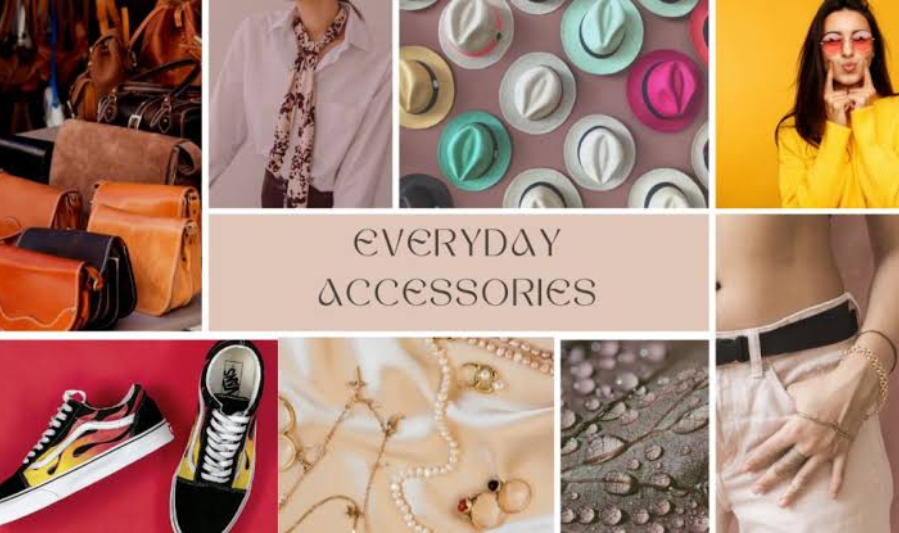
Looking stylish does not depend only on expensive clothing. Good styling, proper fit, and thoughtful combinations can create attractive outfits at any budget.
Ways to Stay Stylish on a Budget
- Build a wardrobe around essential pieces.
- Choose timeless designs.
- Mix basic items with statement pieces.
- Focus on proper fit.
- Use accessories to update outfits.
- Shop with a clear plan.
A creative approach to styling can help you create many different looks from a limited number of clothing items.
The Importance of Smart Clothing Investments
Smart clothing investments involve spending money on items that provide long-term value. Instead of focusing only on low prices, consider quality, durability, and how often you will use each piece.
Good Clothing Investments Often Include
- Everyday essentials
- Quality footwear
- Durable outerwear
- Classic wardrobe pieces
- Comfortable basics
Benefits of Smart Investments
- Reduces frequent replacement costs
- Improves wardrobe quality
- Saves money over time
- Creates more outfit options
Spending wisely on important pieces helps you build a stronger wardrobe while maintaining a reasonable budget.
Budget Fashion vs Cheap Fashion
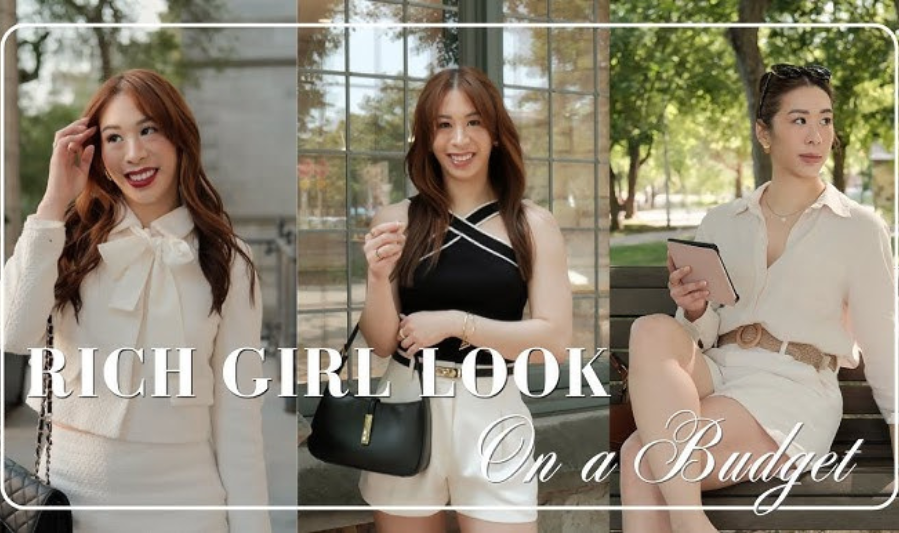
Budget fashion and cheap fashion are not the same. Budget fashion focuses on value, while cheap fashion often focuses only on the lowest possible price.
Budget Fashion
- Considers quality and affordability
- Focuses on useful purchases
- Includes thoughtful planning
- Prioritizes long-term value
Cheap Fashion
- Focuses mainly on low cost
- May involve lower-quality materials
- Can require frequent replacements
- May create unnecessary purchases
Choosing affordable clothing does not mean choosing poor quality. The goal is to find products that provide the right balance of price, style, and durability.
What You Will Learn in This Guide
This guide will help you understand how to shop for fashion while managing your budget effectively.
In This Guide, You Will Learn
- How to plan affordable clothing purchases
- How to identify valuable wardrobe pieces
- How to find quality clothing at lower prices
- How to avoid unnecessary fashion spending
- How to build a stylish budget-friendly wardrobe
- How to balance affordability with quality
- How to make smarter fashion decisions
By following the principles in this guide, you can develop better shopping habits, create stylish outfits, and build a wardrobe that provides lasting value without exceeding your budget.
Define Your Fashion Needs
Before buying clothes, it is important to understand your actual fashion needs. A clear understanding of your lifestyle, daily activities, and upcoming requirements helps you make better purchasing decisions and avoid unnecessary spending.
Defining your fashion needs allows you to build a wardrobe that is practical, stylish, and suitable for different situations.
Everyday Clothing Requirements
Everyday clothing forms the foundation of your wardrobe. These pieces should provide comfort, versatility, and easy styling for regular activities.
Common Everyday Clothing Items
- Basic T-shirts
- Casual shirts
- Jeans
- Comfortable trousers
- Sneakers
- Hoodies
- Light jackets
What to Consider
- Comfort for daily use
- Durable fabrics
- Easy maintenance
- Colors that match your wardrobe
- Clothing that suits your lifestyle
Everyday clothing should be practical enough for frequent use while still reflecting your personal style.
Work and Office Wear
Work and office clothing helps create a professional appearance while providing comfort throughout the day. The right workplace wardrobe depends on your profession and dress expectations.
Common Work Clothing Items
- Formal shirts
- Blazers
- Dress trousers
- Office dresses
- Professional shoes
- Smart accessories
What to Consider
- Workplace dress code
- Level of formality required
- Comfort during working hours
- Quality and fit
- Ability to create multiple outfits
A well-planned work wardrobe allows you to maintain a polished appearance without owning excessive clothing.
Party and Event Outfits
Party and event clothing is designed for occasions where you want to create a more stylish and memorable appearance. These purchases should match the event type and expected level of formality.
Common Event Clothing Items
- Formal outfits
- Elegant shirts
- Dresses
- Suits
- Statement accessories
- Special footwear
What to Consider
- Type of event
- Venue and season
- Dress expectations
- Comfort level
- Possibility of future use
Choosing versatile event clothing helps you look stylish while getting more value from each purchase.
Seasonal Clothing Needs
Seasonal clothing keeps your wardrobe prepared for changing weather conditions. Planning seasonal purchases helps you stay comfortable without unnecessary shopping.
Summer Fashion Needs
- Lightweight clothing
- Breathable fabrics
- Comfortable footwear
- Relaxed outfits
Winter Fashion Needs
- Warm coats
- Sweaters
- Layering pieces
- Boots
- Cold-weather accessories
Seasonal Shopping Tips
- Review what you already own.
- Replace only missing or damaged items.
- Choose pieces that can be used for multiple seasons.
- Consider your local weather conditions.
A seasonal wardrobe plan helps you stay comfortable and stylish throughout the year.
Travel-Friendly Fashion
Travel-friendly clothing focuses on comfort, flexibility, and practicality. The right travel wardrobe allows you to pack efficiently and create multiple outfits with fewer pieces.
Common Travel Clothing Items
- Comfortable trousers
- Lightweight layers
- Versatile shirts
- Walking shoes
- Easy-care fabrics
- Weather-appropriate jackets
What to Consider
- Destination climate
- Trip duration
- Planned activities
- Packing space
- Clothing versatility
Travel-friendly fashion should provide comfort while allowing you to maintain a stylish appearance in different situations.
Understanding your fashion needs before shopping helps you make smarter choices and build a wardrobe that supports your lifestyle. By considering everyday clothing, work wear, event outfits, seasonal requirements, and travel needs, you can spend more effectively and create a collection of clothes that truly works for you.
Create a Realistic Fashion Budget
A realistic fashion budget helps you manage clothing expenses while building a wardrobe that suits your lifestyle and personal style. Instead of making impulsive purchases, a planned budget allows you to spend wisely, prioritize important items, and achieve long-term value.
A well-balanced fashion budget should reflect your income, clothing needs, and financial goals.
Monthly Clothing Budget
Setting a monthly clothing budget helps you control spending and plan future purchases without affecting other financial responsibilities.
Benefits of a Monthly Budget
- Keeps clothing expenses under control
- Prevents overspending
- Makes shopping more organized
- Helps save for higher-quality items
- Supports long-term financial planning
How to Set a Monthly Clothing Budget
- Review your monthly income and expenses.
- Estimate your average clothing needs.
- Set a realistic spending limit.
- Adjust your budget for seasonal purchases.
- Reserve a small amount for unexpected replacements.
A consistent monthly budget makes shopping more predictable and easier to manage.
Setting Spending Priorities
Not every clothing purchase has the same importance. Prioritizing your spending helps ensure that your budget is used for items that provide the greatest value.
High-Priority Purchases
- Everyday wardrobe essentials
- Replacement clothing
- Work or professional attire
- Seasonal necessities
- Comfortable and durable footwear
Medium-Priority Purchases
- Wardrobe upgrades
- Additional accessories
- Special occasion outfits
Low-Priority Purchases
- Trend-based clothing
- Duplicate items
- Impulse purchases
- Non-essential accessories
Buying important items first helps you build a practical and versatile wardrobe.
Tracking Fashion Expenses
Tracking your fashion expenses gives you a clear picture of your spending habits and helps you stay within your budget.
Ways to Track Expenses
- Save purchase receipts.
- Record every clothing purchase.
- Use a budgeting app or spreadsheet.
- Review your spending each month.
- Categorize expenses by clothing type.
Benefits of Tracking Expenses
- Identifies unnecessary spending
- Helps improve future budgets
- Makes shopping decisions more intentional
- Encourages financial discipline
- Supports long-term savings goals
Regularly reviewing your expenses helps you recognize spending patterns and make better purchasing decisions.
Avoiding Unnecessary Purchases
Avoiding unnecessary purchases is one of the most effective ways to stay within your fashion budget. Careful planning helps you buy clothing that adds value to your wardrobe rather than increasing clutter.
Common Reasons for Unnecessary Purchases
- Shopping without a list
- Buying because of discounts
- Following every fashion trend
- Purchasing duplicate items
- Emotional shopping
Tips to Avoid Overspending
- Create a shopping list before you shop.
- Review your wardrobe before buying new clothes.
- Wait before making non-essential purchases.
- Focus on quality instead of quantity.
- Ask whether the item fits your lifestyle and existing wardrobe.
Creating a realistic fashion budget allows you to enjoy shopping while maintaining financial control. By setting a monthly clothing budget, prioritizing important purchases, tracking expenses, and avoiding unnecessary spending, you can build a stylish wardrobe that provides lasting value without exceeding your budget.
Create a Realistic Fashion Budget
A realistic fashion budget is the foundation of smart clothing shopping. It helps you manage your spending, prioritize essential purchases, and build a wardrobe that suits both your lifestyle and your financial goals. Rather than buying clothes on impulse, a well-planned budget encourages thoughtful decisions and long-term value.
Creating a fashion budget does not mean limiting your style—it means making the most of your money by purchasing clothing that offers quality, versatility, and lasting usefulness.
Monthly Clothing Budget
Setting a monthly clothing budget helps you control your fashion expenses and prevents unnecessary overspending. A fixed budget also allows you to plan future purchases without affecting your other financial responsibilities.
Benefits of a Monthly Clothing Budget
- Controls overall clothing expenses
- Reduces impulse buying
- Encourages smarter shopping decisions
- Makes it easier to save for quality pieces
- Supports long-term financial planning
How to Set Your Monthly Budget
- Review your monthly income.
- Calculate your essential living expenses.
- Decide how much you can comfortably spend on clothing.
- Increase or reduce the budget based on seasonal needs.
- Keep a small reserve for unexpected clothing replacements.
A realistic monthly budget should fit your financial situation while giving you flexibility for important purchases.
Setting Spending Priorities
Not every clothing purchase is equally important. Setting spending priorities ensures that your budget is used for items that provide the greatest value and meet your most important needs.
High-Priority Purchases
- Everyday wardrobe essentials
- Replacement clothing
- Work and professional attire
- Seasonal clothing
- Comfortable and durable footwear
Medium-Priority Purchases
- Wardrobe upgrades
- Additional layering pieces
- Accessories
- Special occasion clothing
Low-Priority Purchases
- Trend-based fashion
- Duplicate clothing items
- Impulse purchases
- Non-essential accessories
Prioritizing your purchases helps you build a complete and functional wardrobe before spending on optional items.
Tracking Fashion Expenses
Keeping track of your clothing expenses helps you understand your shopping habits and stay within your planned budget. Regular tracking also helps identify areas where you can reduce unnecessary spending.
Ways to Track Expenses
- Save shopping receipts.
- Record every clothing purchase.
- Use a budgeting app or spreadsheet.
- Categorize purchases by clothing type.
- Review your spending at the end of each month.
Benefits of Tracking Expenses
- Improves budget management
- Prevents overspending
- Identifies unnecessary purchases
- Supports future shopping plans
- Encourages responsible spending habits
Tracking your expenses provides valuable insights that help you make smarter fashion decisions over time.
Avoiding Unnecessary Purchases
Avoiding unnecessary purchases is one of the easiest ways to stay within your fashion budget. Shopping with a clear purpose helps you buy clothing that adds value to your wardrobe instead of creating clutter.
Common Causes of Unnecessary Purchases
- Shopping without a plan
- Buying only because of discounts
- Following every fashion trend
- Emotional shopping
- Purchasing duplicate items
Tips to Avoid Overspending
- Make a shopping list before you buy.
- Review your wardrobe first.
- Wait before making non-essential purchases.
- Compare products before deciding.
- Focus on quality instead of quantity.
- Buy items that match your existing wardrobe.
A thoughtful shopping approach helps ensure that every purchase has a purpose and contributes to a well-balanced wardrobe.
Creating a realistic fashion budget is an effective way to build a stylish wardrobe while maintaining financial control. By setting a monthly clothing budget, prioritizing important purchases, tracking your expenses, and avoiding unnecessary spending, you can enjoy fashion with confidence and make every purchase a smart investment.
Understand Your Personal Style
Understanding your personal style is one of the most important steps in building a wardrobe that truly reflects who you are. Rather than following every fashion trend, personal style focuses on choosing clothing that suits your personality, lifestyle, body shape, and daily needs.
When you know your style preferences, shopping becomes easier, outfit planning becomes more enjoyable, and every purchase adds meaningful value to your wardrobe.
Finding Your Style Preferences
Your style preferences are shaped by your lifestyle, interests, comfort level, and fashion choices. Identifying what you enjoy wearing helps you build a wardrobe that feels authentic and practical.
Questions to Help Identify Your Style
- What clothing do you wear most often?
- Which outfits make you feel comfortable and confident?
- Do you prefer classic or modern fashion?
- Are you drawn to simple or bold designs?
- What fabrics and fits do you enjoy wearing?
Common Personal Style Types
- Classic style
- Casual style
- Minimalist style
- Streetwear style
- Formal style
- Bohemian style
- Sporty style
You may find that your personal style combines elements from several fashion styles rather than fitting into just one category.
Tips for Discovering Your Style
- Review your favorite outfits.
- Save fashion inspiration that appeals to you.
- Notice recurring colors and clothing styles.
- Choose pieces that fit your daily routine.
- Focus on comfort as well as appearance.
Understanding your preferences helps you make consistent and confident fashion choices.
Choosing Colors That Work for You
Color plays a significant role in personal style. The right colors can complement your appearance, make outfit coordination easier, and create a balanced wardrobe.
Popular Neutral Colors
- Black
- White
- Gray
- Navy
- Beige
- Brown
Neutral colors provide versatility and can be paired with almost any wardrobe.
Accent Colors
Accent colors add personality and visual interest to your outfits.
Examples include:
- Blue
- Green
- Burgundy
- Mustard
- Olive
- Soft pink
Tips for Choosing Colors
- Select colors you enjoy wearing.
- Build your wardrobe around versatile neutral shades.
- Add accent colors gradually.
- Consider the occasion when choosing colors.
- Create combinations that work well together.
A coordinated color palette allows you to create more outfits with fewer clothing items.
Building Confidence Through Fashion
Fashion is more than appearance—it is a way to express your personality and feel comfortable in your own style. Wearing clothes that fit well and reflect your preferences can increase confidence in both personal and professional settings.
How Clothing Builds Confidence
- Creates a positive first impression
- Improves comfort throughout the day
- Reflects your personality
- Helps you feel prepared for different occasions
- Encourages self-expression
Ways to Build Fashion Confidence
- Wear clothes that fit properly.
- Choose styles that match your personality.
- Invest in quality wardrobe essentials.
- Avoid comparing your style with others.
- Dress appropriately for the occasion.
- Focus on comfort as well as style.
Confidence comes from feeling comfortable and authentic in what you wear, not from following every fashion trend.
Understanding your personal style helps you make smarter clothing choices and build a wardrobe that truly works for you. By identifying your style preferences, choosing colors that complement your wardrobe, and using fashion to express your personality, you can create a timeless, versatile collection of clothing that supports both your lifestyle and your confidence.
Review Your Existing Clothes
Before buying new clothes, take time to review your current wardrobe. Many people purchase items they already own or overlook clothing that can still be worn in different ways. A wardrobe review helps you understand what you have, what you need, and what no longer serves your lifestyle.
Regularly evaluating your clothing makes shopping more intentional, reduces unnecessary spending, and helps you build a wardrobe that is organized and functional.
Identify Wardrobe Gaps
Wardrobe gaps are the missing clothing items that prevent you from creating complete and versatile outfits. Identifying these gaps helps you focus your shopping budget on pieces that add real value.
Common Wardrobe Gaps
- Basic T-shirts
- Everyday jeans or trousers
- Work and office clothing
- Seasonal jackets
- Comfortable footwear
- Layering essentials
- Special occasion outfits
- Versatile accessories
How to Identify Missing Pieces
Ask yourself:
- Which outfits are difficult to complete?
- What clothing do I wear most often?
- Which essential items are missing?
- Are there pieces that need replacing?
- Do I have clothing for every season and occasion?
Buying missing essentials before trend-based items creates a stronger and more practical wardrobe.
You may also like to read these posts:
Office Wear for Men: The Complete Style Guide
Men’s Style Guide: Everything You Need to Dress Better
Men’s Seasonal Wardrobe Guide: Essential Outfits for Every Season
Remove Unused Clothing
Keeping clothes that you no longer wear can make your wardrobe crowded and difficult to manage. Removing unused items creates space for clothing that better matches your current lifestyle and personal style.
Clothing You Should Consider Removing
- Items that no longer fit
- Damaged or heavily worn clothing
- Outdated styles you never wear
- Duplicate items
- Clothes that no longer suit your lifestyle
- Pieces you have not worn for a long time
What to Do with Unused Clothing
- Donate wearable items
- Sell clothing in good condition
- Recycle damaged textiles where possible
- Repurpose old garments for household use
Removing unnecessary clothing makes it easier to see and enjoy the pieces you truly value.
Organize Your Closet
An organized closet saves time, protects your clothing, and helps you create outfits more easily. A tidy wardrobe also allows you to identify what you own before making new purchases.
Tips for Organizing Your Closet
- Group clothing by category.
- Arrange items by color for easier coordination.
- Separate seasonal clothing from everyday wear.
- Store shoes and accessories neatly.
- Keep frequently worn items within easy reach.
- Fold or hang clothes according to their fabric and style.
Benefits of an Organized Closet
- Faster outfit selection
- Better visibility of your wardrobe
- Reduced duplicate purchases
- Improved clothing care
- Easier seasonal wardrobe planning
A well-organized closet helps you maximize the use of every piece you own.
Reviewing your existing clothes before shopping is a simple but valuable habit. By identifying wardrobe gaps, removing unused clothing, and organizing your closet, you can make smarter purchasing decisions, reduce clutter, and build a wardrobe that supports your style, comfort, and everyday needs.
Create a Shopping Checklist
A shopping checklist is one of the most effective tools for making smart clothing purchases. Instead of buying items on impulse, a checklist helps you focus on what your wardrobe actually needs. It keeps your shopping organized, prevents unnecessary spending, and ensures every purchase adds value to your collection.
A well-planned checklist should include essential clothing items, replacement pieces, and carefully selected trend-based items.
Essential Clothing Items
Essential clothing items form the foundation of a versatile wardrobe. These are the pieces you wear most often and can easily mix and match for different occasions.
Common Essential Clothing Items
- Basic T-shirts
- Casual shirts
- Well-fitting jeans
- Chinos or everyday trousers
- Neutral sweaters
- Comfortable sneakers
- Quality jackets
- Everyday accessories
Tips for Choosing Essentials
- Choose timeless designs.
- Select neutral colors for versatility.
- Prioritize comfort and proper fit.
- Look for durable, high-quality fabrics.
- Buy pieces that work with your existing wardrobe.
A strong collection of essentials makes it easier to create stylish outfits for everyday wear.
Replacement Pieces
Replacement pieces are clothing items that need to be updated because they are worn out, damaged, no longer fit properly, or no longer suit your lifestyle.
Common Replacement Pieces
- Faded T-shirts
- Worn jeans
- Damaged jackets
- Old sweaters
- Worn-out shoes
- Broken belts or accessories
How to Identify Replacement Needs
Ask yourself:
- Is the item still comfortable?
- Does it fit properly?
- Is it damaged beyond repair?
- Do I wear it regularly?
- Does it still match my current style?
Replacing essential clothing when needed keeps your wardrobe functional and well-maintained.
Trend-Based Items
Trend-based items allow you to refresh your wardrobe with current fashion while maintaining your personal style. These pieces should complement your existing clothing rather than replace timeless essentials.
Examples of Trend-Based Items
- Seasonal colors
- Statement jackets
- Fashion-forward footwear
- Modern accessories
- Trending silhouettes
- Contemporary knitwear
Tips for Buying Trend-Based Items
- Choose trends that match your personal style.
- Limit trend purchases to avoid overspending.
- Select items that pair well with wardrobe basics.
- Focus on trends you can wear more than once.
- Balance trendy pieces with timeless clothing.
Adding a few carefully chosen trend-based items keeps your wardrobe modern without making it feel outdated when trends change.
Creating a shopping checklist before buying clothes helps you shop with purpose and confidence. By focusing on essential clothing items, replacing worn-out pieces, and selecting trend-based additions thoughtfully, you can build a stylish, practical wardrobe while staying within your budget.
Faqs:
How Can I Look Stylish on a Budget?
You can look stylish on a budget by investing in wardrobe essentials, choosing versatile clothing, shopping during sales, and mixing timeless basics with a few trendy pieces. Focus on quality, fit, and confidence rather than expensive brands.
What Are the Best Ways to Save Money on Clothes?
Save money by setting a clothing budget, comparing prices, using coupons and discounts, shopping during seasonal sales, and buying durable pieces that offer long-term value.
Is Affordable Fashion Good Quality?
Yes, affordable fashion can be high quality if you choose trusted brands, check fabric composition, inspect stitching and construction, and read customer reviews before purchasing.
Where Can I Find Budget-Friendly Clothing?
You can find budget-friendly clothing at outlet stores, online retailers, seasonal sales, thrift shops, clearance sections, and brands that offer affordable collections without compromising on quality.
How Do I Build a Stylish Wardrobe With Less Money?
Build a stylish wardrobe by starting with timeless essentials, choosing neutral colors, buying versatile pieces that can be mixed and matched, and adding trend-focused items gradually as your budget allows.
Conclusion
Budget fashion shopping proves that you do not need to spend a fortune to look stylish. By planning your purchases, focusing on quality over quantity, and choosing versatile clothing, you can create a wardrobe that reflects your personal style while staying within your budget.