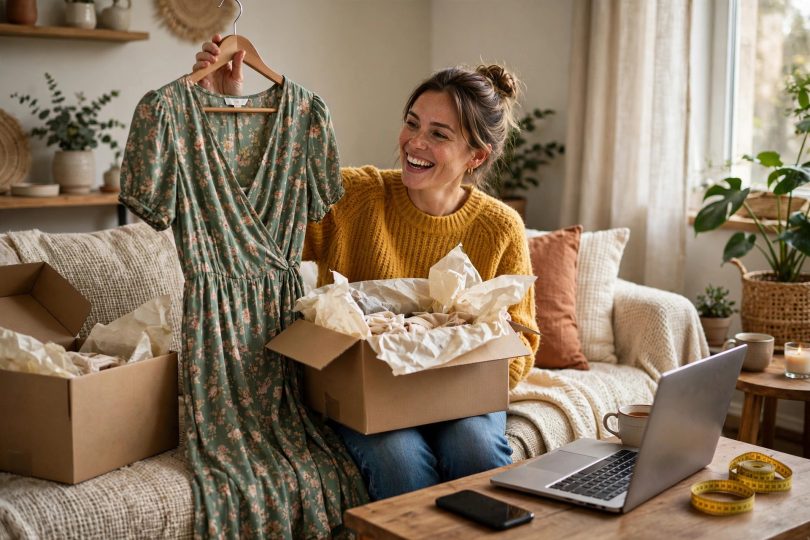

Buying clothes online is convenient, fast and often cheaper than shopping in person, but it also comes with a familiar risk: the package arrives, the fit is wrong, the fabric feels cheap, and the item joins the pile of regrets at the back of your closet. The good news is that a handful of reliable online shopping tips can dramatically improve your success rate. Shoppers who buy well online are not lucky; they follow a process. This guide walks through that process step by step, from measuring yourself correctly to spotting quality through a screen.
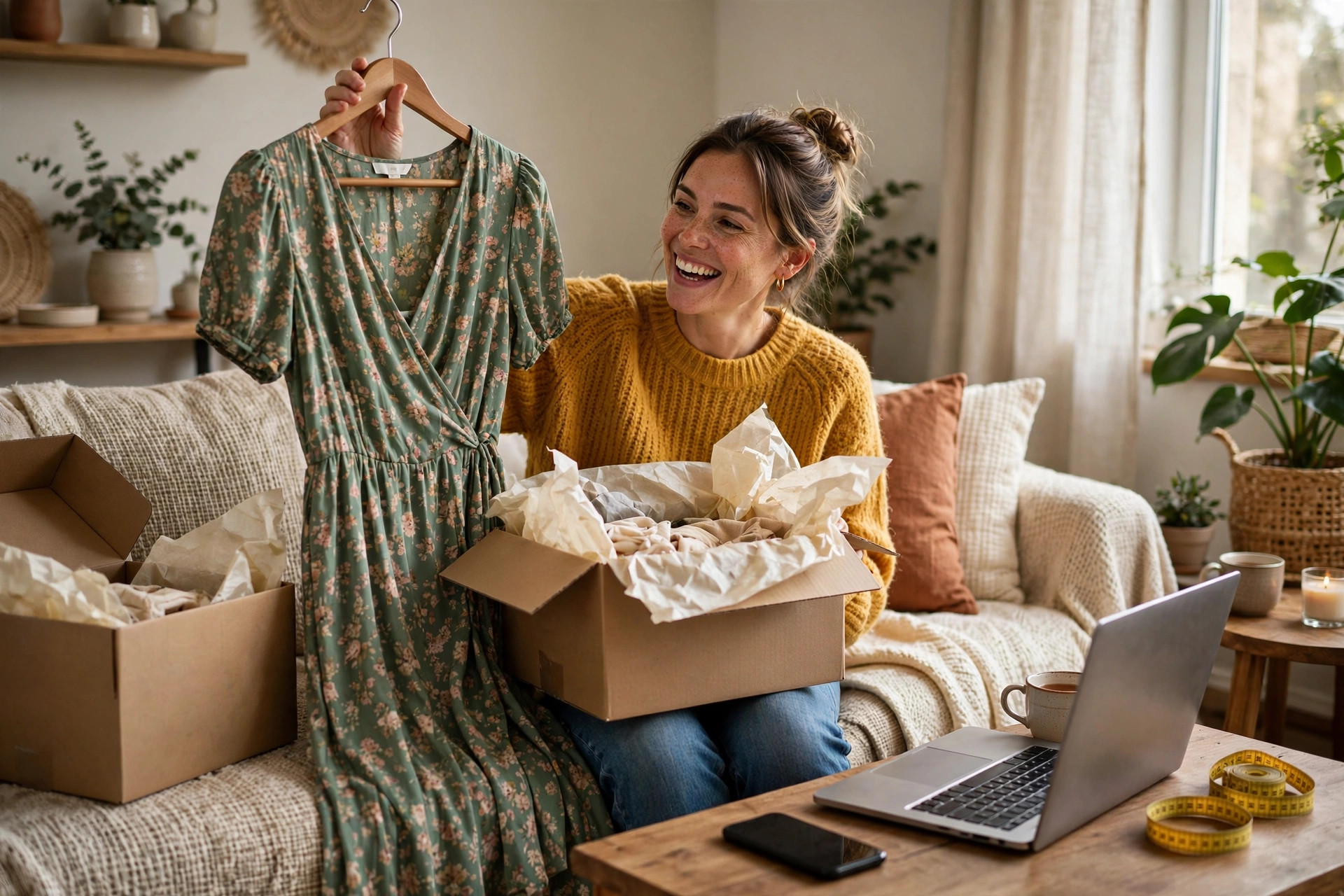
Know Your Measurements, Not Just Your Size
The single most valuable of all online shopping tips is this: sizes are not standardized, but your body measurements are facts. A size medium from one brand can differ by several centimeters from another brand’s medium, and international sizing conversions are notoriously unreliable. Keep a small note on your phone with your bust, waist, hip, inseam and shoulder measurements in both centimeters and inches.
Before buying anything, compare those numbers with the size chart on the product page — not the generic chart buried in the site footer, but the one specific to that garment when available. If your measurements fall between sizes for a structured piece like a blazer or trousers, size up and have it tailored; altering down is far easier than letting out. Our companion guide on how to buy clothes covers fit fundamentals in even more depth, and it pairs well with the strategies here.
Read the Product Page Like a Detective
Fabric Content Tells the Truth
Photos can flatter almost anything, but the fabric composition cannot lie. A dress that is 100 percent polyester will behave very differently from one in a cotton-linen blend, even if they look identical on screen. Learn a few basics: natural fibers breathe better and usually last longer, a small percentage of elastane adds comfort to fitted pieces, and very thin fabrics listed as “polyester chiffon” will often look cheaper in person than in studio lighting.
Study the Photos Beyond the Model Shot
Zoom into seams, hems and buttonholes. Neat, even stitching and finished seams signal decent construction. Look for photos of the back view, the inside of the garment, and detail shots of the fabric texture. Be cautious when a listing shows only one heavily styled photo; trustworthy sellers show the product from several angles. These online shopping tips take two extra minutes per item, but they prevent most disappointments before they ship.
Mine the Reviews Properly
Reviews are most useful when you read them with a filter. Skip the five-star one-liners and the angry outliers, and focus on reviewers who mention their height, weight and the size they bought. Comments like “runs small, sized up” or “fabric thinner than expected” are exactly the intelligence you need. Photos posted by real customers are gold, because they show the garment in normal light on a normal body.
Money-Saving Strategies That Actually Work
- Build a wishlist and wait: many stores discount wishlist items or send targeted offers within a few weeks.
- Check the same item across two or three retailers, since prices for identical brands vary widely.
- Sign up for newsletters only when you are ready to buy, and use the welcome discount deliberately.
- Shop end-of-season sales for timeless pieces rather than trendy ones that will date quickly.
- Calculate cost per wear: a slightly pricier coat worn 100 times beats a cheap one worn twice.
Timing matters as well. Major sale periods cluster around season changes, and that is when applying disciplined budget fashion shopping principles pays off the most. The trick is to shop sales with a list, not with a mood. Decide in advance which gaps in your wardrobe you are filling, and let everything else stay on the shelf, no matter how deep the discount looks.
Beware the Fake Discount and the Pressure Trick
Not every bargain is real. Some shops display permanently inflated “original prices” so that every discount looks dramatic, and countdown timers that reset every time you refresh the page are a pressure tactic, not a deadline. One of the most underrated online shopping tips is to check a product’s price history over a few days, or compare it against the brand’s own store, before believing a 70 percent saving. If the same item has been “on sale” at the same price for three months, that is simply its price. Similarly, be cautious with items that show only a handful of suspiciously glowing reviews posted on the same day. Genuine popularity builds gradually and leaves a mixed, detailed trail. Slowing down to verify a deal takes minutes and protects both your wallet and your wardrobe from pieces you only wanted because they seemed urgent.
Protect Yourself: Policies, Payments and Returns
Before your first order from any store, read its returns policy as if you will definitely need it. Check who pays for return shipping, how long you have, and whether sale items are excluded. Keep original packaging until you have worn the item once at home with the tags still loosely attached, because some problems — a scratchy seam, a zipper that catches — only appear in motion.
Pay with methods that offer buyer protection, and be skeptical of shops with no physical address, no customer service channel and prices that look impossible. A legitimate store can be inexpensive; it cannot sell a “pure silk” dress for the price of a sandwich. As the advice in our smart shopping tips guide puts it, the goal is never just to spend less — it is to buy better, so that each purchase earns its place.
A Simple Pre-Purchase Checklist
Before clicking buy, run through five questions. Do I know my measurements and did I check this item’s size chart? Do I understand the fabric and how it will feel and wash? Have I read specific reviews about fit and quality? Do I know the returns policy if it goes wrong? And finally, does this piece work with at least three things I already own? If any answer is no, pause. Most online shopping tips can be summarized in that one habit: slow down for sixty seconds before spending. Do that consistently, and your online wardrobe will start to look like it was chosen by a personal shopper — because in a sense, it was.