
Introduction
Fashion shopping is more than simply buying new clothes. It involves understanding personal style, choosing suitable pieces, evaluating quality, and making decisions that support your lifestyle. With countless brands, trends, and shopping options available, having the right approach can help you create a wardrobe that is stylish, practical, and valuable.
Smart fashion shopping allows you to make thoughtful purchases instead of collecting clothes that remain unused. By planning your purchases and understanding what works for you, you can develop a wardrobe that reflects your personality and provides long-term satisfaction.
What Are Fashion Shopping Tips?
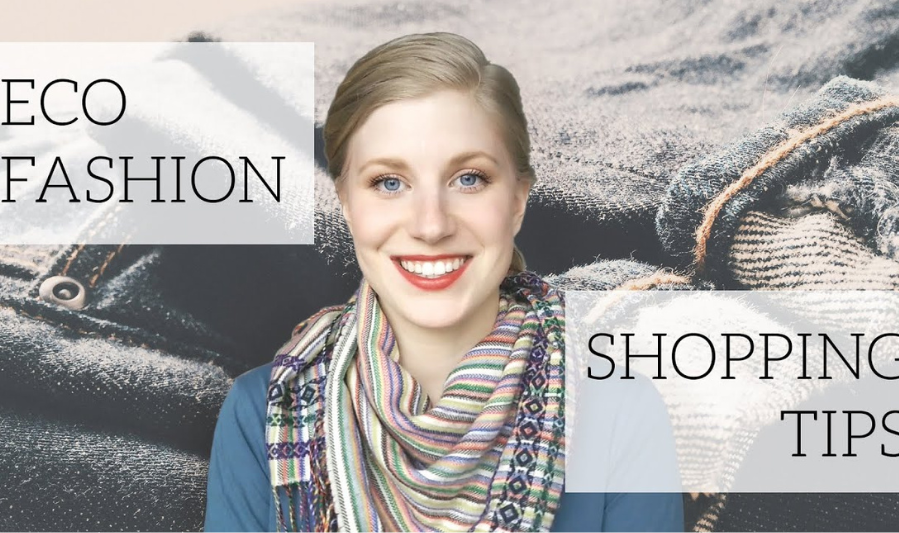
Fashion shopping tips are practical strategies that help people make better clothing and accessory purchasing decisions. These tips guide shoppers in choosing the right styles, sizes, fabrics, brands, and products according to their needs.
Fashion Shopping Tips Include
- Understanding your personal style
- Creating a shopping plan
- Choosing quality over quantity
- Comparing different options
- Checking clothing fit and materials
- Avoiding unnecessary purchases
- Building a versatile wardrobe
These strategies help shoppers save time, money, and effort while creating a more effective fashion collection.
Why Fashion Shopping Requires Planning
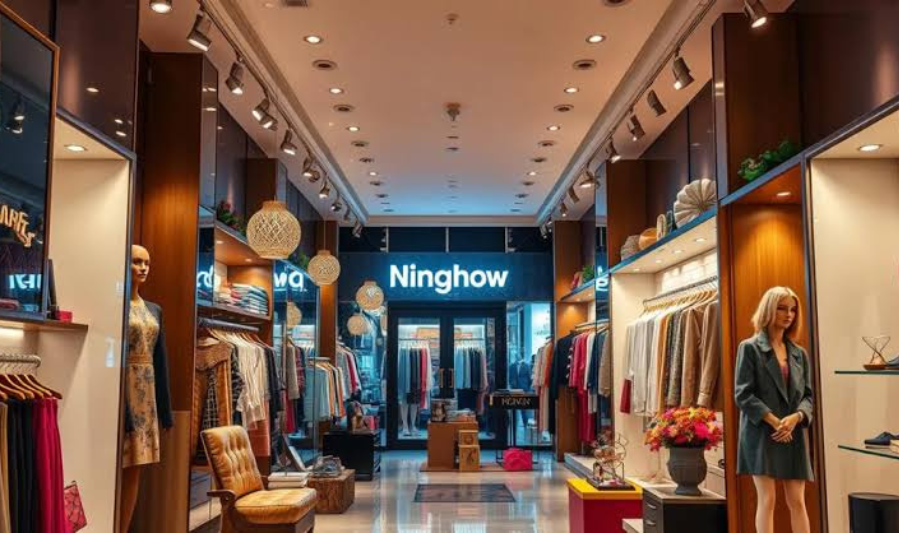
Without proper planning, fashion shopping can easily lead to impulse purchases, wasted money, and a crowded wardrobe. A thoughtful approach ensures that every item you buy has a purpose.
Reasons Planning Matters
- Helps identify actual clothing needs
- Prevents duplicate purchases
- Keeps spending under control
- Encourages better outfit combinations
- Makes shopping more efficient
Before shopping, consider your lifestyle, existing wardrobe, upcoming events, and personal preferences. This preparation helps you choose items that you will actually use.
How Smart Shopping Improves Your Personal Style
Smart shopping helps you develop a clearer understanding of what looks good, feels comfortable, and represents your personality. Instead of following every trend, you learn to select pieces that support your individual style.
Benefits of Smart Fashion Shopping
- Creates a more confident appearance
- Improves outfit coordination
- Builds a consistent style identity
- Encourages better clothing choices
- Reduces unnecessary spending
A carefully selected wardrobe allows you to express yourself while maintaining comfort and practicality.
The Difference Between Trend Shopping and Smart Shopping
Trend shopping focuses mainly on buying the latest popular styles, while smart shopping focuses on selecting clothing that provides lasting value.
Trend Shopping
- Follows current fashion movements
- Often influenced by social media
- May involve frequent purchases
- Can result in short-term wardrobe use
Smart Shopping
- Considers personal lifestyle
- Prioritizes quality and versatility
- Focuses on long-term value
- Builds a balanced wardrobe
Trends can be a useful source of inspiration, but smart shopping ensures that new purchases fit your overall wardrobe.
Why Quality Matters in Fashion Purchases
Quality plays an important role in the comfort, appearance, and lifespan of clothing. Well-made garments often provide better value because they remain useful for longer periods.
Benefits of Choosing Quality Clothing
- Greater durability
- Better comfort
- Improved fit
- More polished appearance
- Fewer replacement purchases
Signs of Quality Fashion Items
- Strong stitching
- Reliable fabrics
- Good construction
- Comfortable fit
- Attention to details
Investing in quality pieces helps create a wardrobe that is both stylish and practical.
What You Will Learn in This Complete Guide
This complete fashion shopping guide will help you develop smarter shopping habits and make more confident fashion decisions.
In This Guide, You Will Learn
- How to understand your personal fashion needs
- How to plan your shopping effectively
- How to choose the right clothing styles
- How to evaluate fabric and garment quality
- How to compare brands and products
- How to shop according to your budget
- How to avoid common fashion shopping mistakes
- How to build a stylish and functional wardrobe
By the end of this guide, you will have the knowledge needed to shop more effectively, choose better fashion pieces, and create a wardrobe that matches your style, lifestyle, and long-term goals.
Discover Your Personal Style
Discovering your personal style is the foundation of smart fashion shopping. Your style reflects your personality, lifestyle, comfort preferences, and the way you want to present yourself. Instead of copying every trend, understanding what works for you helps create a wardrobe that feels authentic and practical.
A clear personal style makes shopping easier because you can focus on clothing that matches your needs and avoid purchases that do not fit your identity.
Analyze Your Daily Lifestyle
Your daily routine plays an important role in determining the type of clothing you need. The best wardrobe is one that supports your everyday activities and makes dressing easier.
Consider Your Lifestyle Needs
- Work environment
- Social activities
- Travel habits
- Exercise routines
- Weather conditions
- Formal or casual occasions
Questions to Ask Yourself
- What clothes do I wear most often?
- Do I need more professional or casual pieces?
- How much time do I spend outdoors?
- What activities require specific clothing?
- Which items in my wardrobe provide the most comfort?
Understanding your lifestyle helps you invest in clothing that you will actually wear.
Understand Your Fashion Preferences
Your fashion preferences determine the styles, fits, and designs that make you feel comfortable and confident. Recognizing your likes and dislikes helps you develop a more consistent wardrobe.
Identify Your Preferences
Consider:
- Loose or fitted clothing
- Simple or detailed designs
- Classic or trendy styles
- Minimal or bold outfits
- Comfortable or structured pieces
Common Style Preferences
Classic Style
- Timeless designs
- Neutral colors
- Elegant and refined pieces
Casual Style
- Comfortable clothing
- Relaxed fits
- Everyday basics
Minimalist Style
- Simple designs
- Clean silhouettes
- Quality essentials
Streetwear Style
- Oversized pieces
- Urban influences
- Statement clothing
Your personal style can combine different preferences to create a look that feels unique.
Identify Your Favorite Colors
Color choices have a major impact on how your outfits look and feel. Understanding your preferred colors helps you create a wardrobe where pieces work well together.
Ways to Discover Your Color Preferences
- Review the colors you wear most often.
- Notice which outfits receive compliments.
- Identify colors that make you feel confident.
- Consider colors that match your lifestyle.
Popular Wardrobe Color Choices
Neutral Colors
- Black
- White
- Gray
- Beige
- Navy
Earth Tones
- Brown
- Olive
- Sand
- Rust
Statement Colors
- Red
- Blue
- Green
- Purple
A balanced wardrobe often includes neutral basics with selected colors that reflect your personality.
Choose Clothes That Match Your Personality
The best clothing choices reflect who you are. Fashion is a form of self-expression, and the clothes you wear can communicate your personality, mood, and values.
Personality-Based Style Examples
Creative Personality
- Unique designs
- Artistic patterns
- Experimental combinations
Professional Personality
- Structured clothing
- Polished outfits
- Classic pieces
Relaxed Personality
- Comfortable fabrics
- Casual styles
- Simple combinations
Confident Personality
- Statement pieces
- Strong silhouettes
- Bold styling choices
Tips for Matching Clothes With Personality
- Choose comfort along with appearance.
- Wear styles that make you feel confident.
- Avoid buying items only because they are popular.
- Select pieces that represent your lifestyle and values.
Discovering your personal style helps you become a more intentional shopper. By analyzing your lifestyle, understanding your preferences, identifying your favorite colors, and choosing clothing that matches your personality, you can build a wardrobe that feels natural, stylish, and uniquely yours.
Different Types of Fashion Styles
Fashion styles represent different ways people express their personality, lifestyle, and preferences through clothing. Understanding different fashion styles helps you identify what suits you best and makes it easier to build a wardrobe that feels authentic and practical.
While each style has unique characteristics, many people combine elements from multiple styles to create their own personal look.
Classic Fashion Style
Classic fashion style focuses on timeless elegance, simplicity, and quality. It emphasizes clothing pieces that remain stylish for many years rather than following short-term trends.
Characteristics of Classic Style
- Clean and polished designs
- Neutral color palettes
- High-quality fabrics
- Tailored fits
- Minimal patterns and details
Classic Style Essentials
- Blazers
- Button-down shirts
- Tailored trousers
- Straight-leg jeans
- Leather shoes
- Trench coats
- Simple accessories
Why Choose Classic Style?
Classic fashion is ideal for people who prefer a sophisticated appearance and want a wardrobe built around versatile, long-lasting pieces.
Casual Fashion Style
Casual fashion style focuses on comfort, relaxation, and everyday practicality. It is designed for daily activities while maintaining a stylish appearance.
Characteristics of Casual Style
- Comfortable fabrics
- Relaxed silhouettes
- Easy-to-wear pieces
- Simple combinations
- Functional designs
Casual Style Essentials
- T-shirts
- Jeans
- Hoodies
- Casual shirts
- Sneakers
- Denim jackets
- Joggers
Why Choose Casual Style?
Casual fashion works well for everyday life because it provides comfort, flexibility, and effortless outfit options.
Minimalist Fashion Style
Minimalist fashion style focuses on simplicity, functionality, and intentional clothing choices. It values quality over quantity and avoids excessive decoration.
Characteristics of Minimalist Style
- Neutral colors
- Clean lines
- Simple designs
- Limited patterns
- Versatile pieces
Minimalist Style Essentials
- Plain shirts
- Neutral sweaters
- Simple trousers
- Basic jackets
- White sneakers
- Minimal accessories
Why Choose Minimalist Style?
Minimalist fashion creates an organized and refined wardrobe where each piece can be styled in multiple ways.
Streetwear Fashion Style
Streetwear fashion style combines urban culture, comfort, and modern trends. It is influenced by music, sports, youth culture, and city lifestyles.
Characteristics of Streetwear Style
- Oversized fits
- Casual layering
- Statement designs
- Sneaker-focused outfits
- Mix of casual and premium pieces
Streetwear Style Essentials
- Graphic T-shirts
- Hoodies
- Cargo pants
- Sneakers
- Bomber jackets
- Caps
- Crossbody bags
Why Choose Streetwear Style?
Streetwear allows creativity and self-expression while maintaining a comfortable and relaxed appearance.
Luxury Fashion Style
Luxury fashion style emphasizes premium materials, craftsmanship, exclusivity, and refined design. It focuses on quality and attention to detail rather than excessive branding.
Characteristics of Luxury Style
- High-quality fabrics
- Excellent construction
- Elegant designs
- Sophisticated details
- Timeless pieces
Luxury Style Essentials
- Tailored jackets
- Premium knitwear
- Quality leather accessories
- Designer footwear
- Elegant outerwear
Why Choose Luxury Style?
Luxury fashion is suitable for people who value craftsmanship, durability, and a polished appearance.
Bohemian Fashion Style
Bohemian fashion style is inspired by creativity, freedom, nature, and artistic expression. It often combines relaxed silhouettes with unique textures and patterns.
Characteristics of Bohemian Style
- Flowing shapes
- Natural fabrics
- Artistic patterns
- Layered outfits
- Earth-inspired colors
Bohemian Style Essentials
- Maxi dresses
- Loose shirts
- Wide-leg trousers
- Layered jewelry
- Handmade accessories
- Comfortable sandals
Why Choose Bohemian Style?
Bohemian fashion is ideal for people who enjoy expressive, relaxed, and unconventional clothing choices.
Sporty Fashion Style
Sporty fashion style combines athletic influences with everyday clothing. It focuses on comfort, movement, and practical designs.
Characteristics of Sporty Style
- Comfortable materials
- Athletic-inspired designs
- Functional clothing
- Relaxed fits
- Performance-focused details
Sporty Style Essentials
- Sweatshirts
- Joggers
- Sneakers
- Sports jackets
- Performance T-shirts
- Athletic accessories
Why Choose Sporty Style?
Sporty fashion is perfect for active lifestyles and people who prioritize comfort while maintaining a modern appearance.
Understanding different fashion styles helps you make more confident clothing choices and develop a wardrobe that reflects your personality. Whether you prefer classic elegance, casual comfort, minimalist simplicity, streetwear creativity, luxury refinement, bohemian expression, or sporty practicality, the best style is one that fits your lifestyle and makes you feel comfortable.
Create Your Fashion Identity
Creating a fashion identity means developing a personal approach to clothing that reflects your personality, lifestyle, and preferences. Instead of depending only on changing trends, a strong fashion identity helps you choose pieces that feel authentic and create a consistent appearance.
Your fashion identity is built through understanding what styles, colors, fits, and clothing choices represent you best.
Build a Signature Look
A signature look is a recognizable style element that reflects your personality and makes your outfits feel unique. It does not need to be complicated; even simple details can become part of your personal style.
Elements of a Signature Look
- Favorite colors or color combinations
- A preferred clothing silhouette
- Signature accessories
- A specific type of footwear
- A consistent style theme
- Favorite fabrics or patterns
Examples of Signature Style Choices
- A classic blazer for a polished appearance
- Minimalist neutral outfits for a refined look
- Statement sneakers for a streetwear identity
- Natural fabrics and layered pieces for a relaxed style
Tips for Creating Your Signature Look
- Identify clothing pieces you wear most confidently.
- Repeat styles that represent your personality.
- Choose details that feel natural rather than forced.
- Keep your look practical for your lifestyle.
A signature look creates consistency while still allowing room for creativity.
Select Your Wardrobe Essentials
Wardrobe essentials are the foundation of a functional and stylish clothing collection. These pieces should be versatile, comfortable, and suitable for your daily needs.
Essential Wardrobe Categories
Everyday Basics
- T-shirts
- Casual shirts
- Jeans
- Comfortable trousers
Professional Clothing
- Blazers
- Formal shirts
- Dress trousers
- Work-appropriate footwear
Outerwear
- Jackets
- Coats
- Sweaters
- Layering pieces
Accessories
- Belts
- Watches
- Bags
- Simple jewelry
Choosing the Right Essentials
Consider:
- Your lifestyle requirements
- Your preferred colors
- Your most common activities
- The climate where you live
- Your personal style direction
A carefully selected collection of essentials allows you to create many outfits without owning excessive clothing.
Balance Comfort and Appearance
The best fashion choices combine style with comfort. Clothing that looks good but feels uncomfortable is unlikely to become a favorite part of your wardrobe.
Ways to Balance Comfort and Style
- Choose the correct fit.
- Select breathable fabrics.
- Consider movement and daily activities.
- Invest in comfortable footwear.
- Choose designs that suit your body and lifestyle.
Why Comfort Matters
Comfort improves confidence because you can focus on your activities instead of adjusting your clothing. When clothing feels natural and fits well, it creates a more polished and confident appearance.
Finding the Right Balance
A successful personal style combines:
- Clothing that looks good
- Pieces that feel comfortable
- Items that match your lifestyle
- Choices that reflect your personality
Creating a fashion identity is a process of discovering what works best for you. By building a signature look, selecting essential wardrobe pieces, and balancing comfort with appearance, you can develop a style that feels confident, practical, and uniquely personal.
Evaluate Your Current Wardrobe
Evaluating your current wardrobe is an essential step before buying new clothes. It helps you understand what you already own, identify what is missing, and create a more organized collection of clothing that matches your lifestyle and personal style.
A wardrobe evaluation allows you to make smarter purchases, reduce unnecessary spending, and use your existing clothes more effectively.
Remove Unused Clothing
Unused clothing can take up space and make it difficult to choose outfits. Removing items that no longer serve a purpose creates room for pieces that better represent your current needs and style.
Clothing Items to Consider Removing
- Clothes that no longer fit
- Items you have not worn for a long time
- Damaged clothing that cannot be repaired
- Outdated pieces you no longer enjoy
- Duplicate items
- Clothing that does not match your lifestyle
Questions to Ask Before Removing Clothes
- Have I worn this recently?
- Does this item fit comfortably?
- Does it match my current style?
- Can I create outfits with it?
- Would I buy it again today?
Better Ways to Handle Unused Clothing
Instead of throwing clothes away, consider:
- Donating usable items
- Selling valuable pieces
- Recycling damaged fabrics
- Repurposing older garments
Removing unused clothing helps create a cleaner and more functional wardrobe.
Find Missing Essentials
After reviewing your wardrobe, identify the clothing pieces that are missing. These gaps often prevent you from creating complete outfits or dressing appropriately for different situations.
Common Missing Essentials
- Everyday basics
- Work clothing
- Seasonal outerwear
- Comfortable footwear
- Layering pieces
- Event-appropriate outfits
- Versatile accessories
How to Identify Wardrobe Gaps
- Notice outfits you struggle to complete.
- Review your weekly activities.
- Identify items you frequently need but do not own.
- Look for pieces that can work with multiple outfits.
Filling these gaps with practical essentials creates a more balanced wardrobe.
Organize Existing Pieces
A well-organized wardrobe makes it easier to find clothing, plan outfits, and understand what you actually own. Organization also helps protect clothing and reduce unnecessary shopping.
Ways to Organize Your Wardrobe
- Group clothing by category
- Arrange items by season
- Separate casual and formal wear
- Organize by color
- Keep frequently used pieces accessible
Suggested Clothing Categories
- Tops
- Bottoms
- Outerwear
- Shoes
- Accessories
- Special occasion clothing
- Seasonal items
Benefits of Organization
- Saves time when choosing outfits
- Prevents duplicate purchases
- Makes wardrobe planning easier
- Helps maintain clothing condition
An organized wardrobe allows you to make better use of every item you own.
Create New Outfit Combinations
Many people own enough clothing but do not explore all possible outfit combinations. Reviewing your wardrobe can reveal new ways to style existing pieces.
Ways to Create Better Outfits
- Combine basic pieces with statement items.
- Experiment with layering.
- Mix different textures.
- Use accessories to change the look.
- Create outfits around neutral colors.
- Try new combinations before buying more clothes.
Outfit Planning Tips
- Take photos of outfits you like.
- Create a list of reliable outfit combinations.
- Identify your favorite clothing formulas.
- Keep versatile pieces that work together.
Creating new combinations helps maximize your wardrobe and encourages more intentional shopping.
Evaluating your current wardrobe helps you build a collection that is organized, practical, and aligned with your personal style. By removing unused clothing, finding missing essentials, organizing existing pieces, and creating new outfit combinations, you can improve your style without constantly buying new items.
Set Your Shopping Goals
Setting clear shopping goals helps you make more focused and practical clothing decisions. Instead of buying items randomly, having a purpose behind each shopping trip allows you to choose clothes that support your lifestyle, personal style, and wardrobe needs.
A planned approach reduces unnecessary spending and helps you create a wardrobe that is useful, balanced, and intentional.
Shopping for Daily Wear
Daily wear clothing forms the foundation of your wardrobe. These pieces should provide comfort, versatility, and easy styling options for regular activities.
Common Daily Wear Needs
- Comfortable T-shirts
- Casual shirts
- Jeans
- Everyday trousers
- Sneakers
- Hoodies or sweaters
- Relaxed jackets
Tips for Daily Wear Shopping
- Choose comfortable and durable fabrics.
- Focus on pieces you will wear frequently.
- Select colors that match your existing wardrobe.
- Prioritize fit and comfort.
- Buy versatile items that create multiple outfits.
Investing in quality daily wear ensures that your most-used clothing remains practical and reliable.
Shopping for Work Clothes
Work clothing should match your professional environment while providing comfort throughout the day. The right work wardrobe creates a polished appearance and supports confidence.
Common Work Clothing Needs
- Formal shirts
- Blazers
- Dress trousers
- Professional dresses
- Office-appropriate shoes
- Smart accessories
Tips for Work Clothing Shopping
- Understand your workplace dress code.
- Choose well-fitted pieces.
- Prioritize quality basics.
- Select colors that are easy to combine.
- Consider comfort for long working hours.
A small collection of professional essentials can create many work-ready outfits.
Shopping for Special Events
Special events often require clothing that is different from everyday wear. Planning ahead helps you avoid last-minute purchases and choose outfits that suit the occasion.
Examples of Special Events
- Weddings
- Parties
- Formal dinners
- Celebrations
- Professional gatherings
Tips for Event Clothing Shopping
- Check the expected dress code.
- Consider the venue and season.
- Choose pieces you can wear more than once.
- Focus on proper fit and comfort.
- Select timeless designs when possible.
Thoughtful event shopping helps you create a stylish appearance without collecting rarely used clothing.
Shopping for Seasonal Updates
Seasonal shopping focuses on updating your wardrobe according to changing weather conditions and upcoming needs.
Seasonal Clothing Examples
Summer Updates
- Lightweight shirts
- Breathable fabrics
- Comfortable footwear
- Relaxed trousers
Winter Updates
- Coats
- Sweaters
- Warm layers
- Boots and accessories
Tips for Seasonal Shopping
- Review existing seasonal clothing first.
- Replace only what is needed.
- Choose versatile pieces.
- Invest in durable items.
- Consider storage and clothing care.
Seasonal planning keeps your wardrobe comfortable and prepared throughout the year.
Create a Fashion Budget
A fashion budget helps you manage spending while still allowing you to develop your personal style. It encourages thoughtful purchases and prevents unnecessary expenses.
Decide Spending Limits
Setting clear spending limits helps you control clothing expenses and make better purchasing decisions.
Ways to Set Spending Limits
- Determine a monthly or seasonal clothing budget.
- Consider your income and priorities.
- Track previous clothing expenses.
- Plan for larger purchases in advance.
- Separate essential purchases from optional items.
A realistic budget allows you to enjoy fashion while maintaining financial balance.
You may also like to read these posts:
Office Wear for Men: The Complete Style Guide
Men’s Style Guide: Everything You Need to Dress Better
Men’s Seasonal Wardrobe Guide: Essential Outfits for Every Season
Prioritize Important Purchases
Not all clothing purchases have the same importance. Prioritizing essential items ensures that your money is spent on pieces that provide the most value.
Prioritize Items Such As
- Replacement clothing
- Everyday essentials
- Professional clothing
- Seasonal necessities
- Quality footwear
Tips for Prioritizing Purchases
- Buy items you need most first.
- Choose versatile pieces.
- Replace heavily used items before buying trends.
- Consider cost per wear.
- Invest in quality when possible.
Prioritization helps build a stronger wardrobe with fewer unnecessary purchases.
Avoid Emotional Shopping
Emotional shopping occurs when purchases are driven mainly by feelings rather than actual needs. It can lead to buying clothes that are rarely worn or do not match your wardrobe.
Common Causes of Emotional Shopping
- Shopping due to stress or boredom
- Buying because of temporary excitement
- Purchasing only because of discounts
- Following trends without planning
Ways to Avoid Emotional Shopping
- Create a shopping list before buying.
- Wait before making non-essential purchases.
- Ask whether the item fits your lifestyle.
- Check if you already own something similar.
- Focus on long-term wardrobe goals.
Setting shopping goals and creating a fashion budget helps you become a more intentional shopper. By planning purchases, controlling spending, prioritizing important items, and avoiding emotional decisions, you can build a wardrobe that reflects your style while providing lasting value.
Make a Shopping List
Creating a shopping list before buying clothes helps you stay focused and make intentional purchasing decisions. Instead of purchasing items randomly, a planned list allows you to identify what your wardrobe needs and avoid unnecessary spending.
A well-prepared shopping list helps balance essential clothing, replacement needs, and selected fashion updates.
Essential Clothing Items
Essential clothing items are the foundation of a practical wardrobe. These pieces are usually worn frequently and can be combined with many different outfits.
Common Essential Clothing Items
- Basic T-shirts
- Casual shirts
- Jeans
- Everyday trousers
- Neutral sweaters
- Comfortable footwear
- Jackets or outerwear
- Basic accessories
How to Choose Essentials
When adding essentials to your shopping list:
- Choose versatile designs.
- Select colors that match your existing wardrobe.
- Prioritize comfort and fit.
- Look for durable fabrics.
- Consider how often you will wear the item.
Essential pieces should provide long-term usefulness and make daily outfit choices easier.
Replacement Pieces
Replacement pieces are clothing items needed because existing garments are damaged, worn out, outdated, or no longer suitable.
Common Replacement Needs
- Worn-out shoes
- Faded shirts
- Damaged jeans
- Old jackets
- Uncomfortable clothing
- Broken accessories
How to Identify Replacement Items
Ask yourself:
- Is this item still in good condition?
- Does it fit properly?
- Do I wear it regularly?
- Can it be repaired?
- Does it still match my lifestyle?
Replacing frequently used items improves wardrobe quality and ensures you always have reliable clothing options.
Trend-Based Items
Trend-based items add freshness and creativity to your wardrobe. However, they should be selected carefully because fashion trends can change quickly.
Examples of Trend-Based Items
- Seasonal colors
- New clothing silhouettes
- Fashion-forward accessories
- Statement jackets
- Popular footwear styles
Tips for Buying Trend-Based Items
- Choose trends that match your personal style.
- Avoid buying trends only because they are popular.
- Select pieces that work with your existing wardrobe.
- Consider how often you will wear them.
- Balance trendy items with timeless basics.
Trend-based clothing can make your wardrobe more interesting when added thoughtfully.
Creating a shopping list with essential items, replacement pieces, and trend-based additions helps you make smarter fashion decisions. By focusing on what your wardrobe truly needs, you can shop with purpose, reduce unnecessary purchases, and build a collection that reflects your personal style.
Faqs:
How Can I Shop for Fashion More Smartly?
Shop smarter by understanding your personal style, planning your purchases, setting a budget, comparing options, and choosing quality clothing that matches your lifestyle. Avoid impulse buying and focus on pieces you can wear in multiple ways.
What Should I Look for When Buying Clothes?
When buying clothes, consider fabric quality, fit, comfort, stitching, durability, color, and how well the item matches your existing wardrobe. Quality and versatility are important for making better fashion choices.
How Can I Save Money on Fashion Shopping?
You can save money by shopping during sales, using discounts, comparing prices, buying timeless pieces, creating a shopping list, and investing in clothes that offer long-term value instead of following every trend.
Is Online Fashion Shopping Safe?
Online fashion shopping is safe when you buy from trusted websites, check customer reviews, read return policies, use secure payment methods, and avoid deals that seem unrealistic or suspicious.
How Do I Build a Stylish Wardrobe?
Build a stylish wardrobe by starting with essential clothing pieces, choosing versatile colors, investing in quality basics, adding trend-based items carefully, and selecting clothes that reflect your personality and lifestyle.
Conclusion
Fashion shopping is more than simply buying new clothes; it is about making thoughtful choices that reflect your personality, lifestyle, and individual style. By understanding your needs, focusing on quality, and shopping with a clear plan, you can build a wardrobe that is both stylish and practical.