
Introduction
Why Personal Style Matters
Your personal style is more than the clothes you wear—it’s a reflection of your personality, lifestyle, and values. The way you dress influences first impressions, boosts confidence, and helps you present yourself authentically in both personal and professional settings. Developing a signature style allows you to feel comfortable and self-assured every day.
Fashion as a Form of Self-Expression
Fashion is a creative outlet that enables individuals to express their identity without words. From colors and fabrics to silhouettes and accessories, every style choice communicates something unique about who you are. Rather than simply following trends, embracing fashion as self-expression helps you create looks that reflect your individuality and confidence.
Understanding Your Personal Style
Developing your personal style is the first step toward building a wardrobe that reflects your personality and supports your lifestyle. Instead of dressing to impress others or keeping up with every new trend, personal style focuses on wearing clothes that make you feel confident, comfortable, and authentic.
What Is Personal Style?
Personal style is the unique way you express yourself through clothing, footwear, accessories, hairstyles, and even colors. It reflects your personality, preferences, lifestyle, and values. While fashion trends change every season, personal style remains consistent and evolves naturally as your tastes and experiences grow.
Your personal style is influenced by many factors, including your profession, hobbies, culture, body shape, and daily routine. The goal is to create a look that feels true to who you are rather than copying someone else’s wardrobe.
Why Personal Style Is More Important Than Following Trends
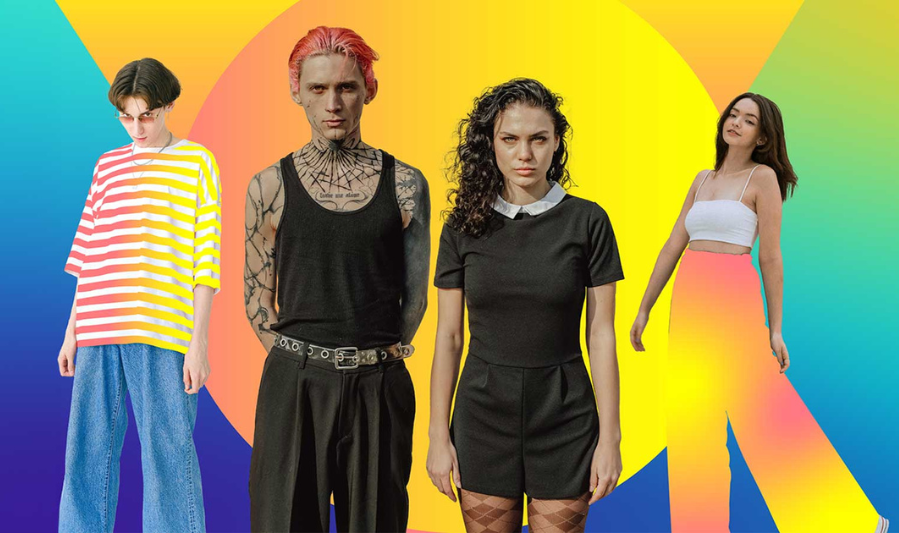
Fashion trends come and go, but personal style has lasting value. Chasing every trend can be expensive and often results in a wardrobe full of clothes that are rarely worn. Developing your own style helps you make smarter shopping decisions and build a collection of pieces you’ll enjoy wearing for years.
Benefits of focusing on personal style include:
- Increased confidence and self-expression.
- Easier outfit planning.
- Better wardrobe organization.
- More cost-effective shopping.
- A timeless appearance that isn’t dependent on seasonal trends.
Instead of asking, “Is this fashionable?” ask yourself, “Does this fit my personality and lifestyle?”
Different Fashion Styles
Understanding popular fashion styles can help you discover the looks that resonate with you.
Classic Style
Classic fashion emphasizes timeless pieces, clean lines, and neutral colors. Think tailored blazers, white shirts, trench coats, and well-fitted trousers. This style never goes out of fashion and suits professional and formal settings.
Minimalist Style
Minimalism focuses on simplicity and functionality. It features neutral color palettes, clean silhouettes, and high-quality basics with very few accessories.
Casual Style
Casual fashion prioritizes comfort without sacrificing style. Jeans, T-shirts, sneakers, hoodies, and relaxed fits create effortless everyday outfits.
Chic Style
Chic style combines elegance with modern sophistication. It includes polished outfits, structured clothing, stylish accessories, and refined color combinations that always look put together.
Bohemian Style
Often called “Boho,” this style embraces creativity and freedom. Flowing dresses, earthy colors, floral prints, fringe, embroidery, and natural fabrics are key elements.
Vintage Style
Vintage fashion draws inspiration from previous decades, such as the 1950s, 1960s, or 1970s. It often includes retro silhouettes, classic patterns, and carefully selected thrift or vintage pieces.
Street Style
Street style is inspired by urban fashion and youth culture. Oversized clothing, sneakers, graphic T-shirts, denim, hoodies, and statement accessories create bold, expressive looks.
Romantic Style
Romantic fashion features soft fabrics, lace, floral prints, ruffles, pastel colors, and feminine silhouettes that create an elegant and graceful appearance.
Edgy Style
Edgy fashion makes bold statements through leather jackets, dark colors, distressed denim, metallic accessories, combat boots, and unique silhouettes with a rebellious attitude.
How to Identify Your Own Style
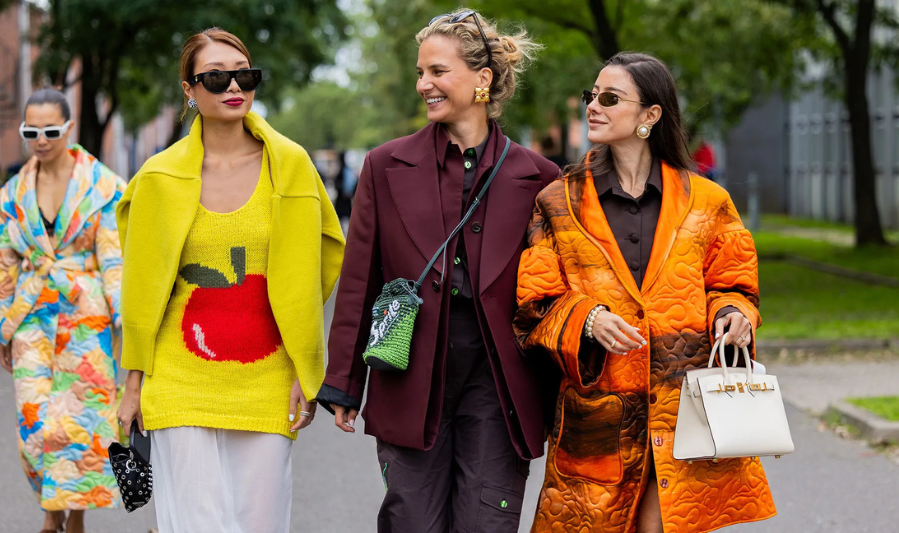
Finding your personal style takes observation and experimentation. Start by evaluating your current wardrobe and identifying the outfits you wear most often.
Ask yourself these questions:
- Which outfits make me feel most confident?
- What colors do I naturally gravitate toward?
- Which clothing items do I wear repeatedly?
- What does my daily lifestyle require?
- Which outfits receive compliments because they genuinely feel like me?
Take photos of outfits you love and look for recurring patterns in colors, fits, fabrics, and accessories.
Finding Inspiration from Fashion Icons and Social Media
Inspiration can come from many places. Fashion influencers, celebrities, designers, magazines, and social media platforms can help you explore different aesthetics and discover new outfit ideas.
Use platforms like Pinterest, Instagram, and fashion blogs to save looks that catch your attention. Instead of copying an outfit exactly, identify the elements you like—such as color combinations, layering techniques, or accessories—and adapt them to suit your own personality and lifestyle.
Creating a Personal Style Mood Board
A mood board is a visual collection of fashion inspiration that helps define your signature style.
To create one:
- Save images of outfits you love.
- Include favorite colors, fabrics, accessories, and footwear.
- Look for recurring themes and patterns.
- Remove images that no longer match your vision.
- Use your mood board as a guide when shopping or planning outfits.
Over time, your mood board will become a clear representation of your personal style, making it easier to build a wardrobe that is cohesive, practical, and uniquely yours.
Dressing for Your Body Shape
Understanding your body shape can help you make clothing choices that enhance your natural proportions and boost your confidence. The goal isn’t to hide your body or follow strict fashion rules—it’s to choose outfits that make you feel comfortable, stylish, and confident. Every body shape is unique, and the best outfits are those that reflect your personality while highlighting your favorite features.
Why Body Shape Matters
Knowing your body shape makes shopping easier and helps you select clothing that fits well and complements your silhouette. Rather than focusing on trends alone, dressing for your body shape allows you to create balanced proportions and achieve a polished look.
Some benefits include:
- Better-fitting and more comfortable outfits.
- Increased confidence in your appearance.
- Easier wardrobe planning.
- Smarter shopping decisions.
- A more balanced and flattering silhouette.
Remember, body shape is about proportions—not weight or size. People of all sizes can share the same body shape.
Different Female Body Shapes
Hourglass Shape
The hourglass body shape features balanced shoulders and hips with a naturally defined waist. This shape is known for its proportionate silhouette.
Key characteristics:
- Bust and hips are similar in width.
- Well-defined waist.
- Naturally balanced proportions.
Pear Shape
A pear-shaped body has narrower shoulders and bust with wider hips and thighs. The lower body is more prominent than the upper body.
Key characteristics:
- Smaller upper body.
- Defined waist.
- Fuller hips and thighs.
Apple Shape
The apple body shape carries more weight around the midsection, with slimmer hips and legs. The waist is usually less defined.
Key characteristics:
- Fuller bust.
- Broader midsection.
- Slim hips and legs.
Rectangle Shape
A rectangle body shape has similar measurements across the shoulders, waist, and hips, creating a straight silhouette.
Key characteristics:
- Minimal waist definition.
- Balanced upper and lower body.
- Athletic appearance.
Inverted Triangle Shape
This body shape features broader shoulders or bust with narrower hips.
Key characteristics:
- Wide shoulders.
- Smaller hips.
- Often athletic in appearance.
How to Choose Flattering Clothing
The key to flattering clothing is creating balance while emphasizing the features you love most. Consider the following guidelines:
- Choose well-fitted clothing rather than garments that are too tight or overly loose.
- Use colors, prints, and textures to draw attention to your favorite features.
- Highlight your waist if you enjoy a more defined silhouette.
- Select fabrics that drape naturally and provide comfort.
- Focus on proportions to create visual balance.
Most importantly, wear clothes that make you feel confident rather than following rigid style rules.
Styling Tips for Each Body Shape
Hourglass Shape
To complement balanced proportions:
- Wear wrap dresses and fitted tops.
- Choose high-waisted skirts and trousers.
- Define the waist with belts.
- Select tailored jackets and blazers.
- Avoid oversized clothing that hides your natural shape.
Pear Shape
To balance the upper and lower body:
- Wear tops with interesting necklines or details.
- Choose structured shoulders or puff sleeves.
- Opt for darker bottoms with lighter tops.
- Wear A-line skirts and straight-leg pants.
- Avoid overly bulky pockets or embellishments around the hips.
Apple Shape
To create a streamlined silhouette:
- Choose V-neck or scoop-neck tops.
- Wear empire-waist or A-line dresses.
- Select straight-leg or bootcut pants.
- Layer with long cardigans or open blazers.
- Avoid overly tight clothing around the midsection if it feels uncomfortable.
Rectangle Shape
To create the appearance of curves:
- Wear peplum tops and wrap dresses.
- Add belts to define the waist.
- Choose layered outfits for dimension.
- Experiment with ruffles or textured fabrics.
- Wear flared skirts and wide-leg pants.
Inverted Triangle Shape
To balance broader shoulders:
- Choose V-neck tops.
- Wear A-line skirts and wide-leg trousers.
- Add volume to the lower body with prints or pleats.
- Keep shoulder details simple.
- Avoid heavily padded shoulders or oversized sleeves.
Common Mistakes to Avoid
While personal style is always more important than rules, avoiding a few common mistakes can help create a more polished look.
- Buying clothes based only on size labels instead of fit.
- Wearing clothing that is too tight or excessively oversized.
- Ignoring tailoring when minor alterations could improve the fit.
- Following every fashion trend without considering your body proportions.
- Choosing uncomfortable clothing simply because it is fashionable.
- Forgetting that confidence is the most flattering accessory.
Ultimately, the best outfit is one that fits well, suits your lifestyle, and makes you feel comfortable and confident. Use body shape guidelines as helpful suggestions rather than strict rules, and don’t be afraid to experiment until you discover what works best for you.
Wardrobe Essentials Every Woman Should Own
A well-curated wardrobe is built on timeless essentials that can be mixed and matched for countless outfit combinations. Instead of filling your closet with temporary trends, focus on versatile, high-quality pieces that suit your lifestyle and personal style. These wardrobe staples create the foundation for effortless dressing, whether you’re going to work, running errands, or attending a special occasion.
Essential Tops
Every woman’s wardrobe should include a collection of tops that provide comfort, versatility, and style for different occasions.
Basic T-Shirts
Plain T-shirts in neutral shades like white, black, gray, and beige are essential basics. They can be paired with jeans, skirts, shorts, or layered under jackets and blazers.
Classic Button-Down Shirt
A crisp button-down shirt is a timeless piece that works for professional outfits, smart-casual looks, and relaxed weekend styling.
Blouses
Elegant blouses add sophistication to your wardrobe. Choose versatile colors, subtle prints, and comfortable fabrics that can transition from day to night.
Knit Sweaters
Lightweight sweaters are perfect for layering and provide warmth during cooler seasons. Neutral colors make them easy toA quality pair of jeans in a flattering cut and classic wash is a must-have. style with different outfits.
Tank Tops and Camisoles
These simple layering pieces are useful for warm weather, casual outfits, and wearing under jackets or cardigans.
Everyday Bottoms
The right selection of bottoms creates the foundation for everyday outfits.
Well-Fitted Jeans
A quality pair of jeans in a flattering cut and classic wash is a must-have. Styles such as straight-leg, slim-fit, or wide-leg jeans can suit different preferences and occasions.
Tailored Trousers
Neutral-colored trousers provide a polished option for workwear and can also be styled casually with simple tops and sneakers.
Leggings
Comfortable leggings are practical for casual days, travel, workouts, and relaxed outfits.
Skirts
Versatile skirts, such as midi, A-line, or pencil styles, can be dressed up or down depending on the occasion.
Shorts
Tailored shorts are ideal for warm weather and provide a stylish alternative to jeans.
Must-Have Dresses
Dresses offer an easy way to create complete outfits with minimal effort.
Little Black Dress
A classic black dress is a timeless wardrobe essential that works for formal events, dinners, celebrations, and professional occasions.
Casual Day Dress
Comfortable everyday dresses made from cotton, linen, or soft fabrics are perfect for relaxed outings and warm seasons.
Wrap Dress
A wrap dress creates a flattering silhouette and works well for casual, professional, and semi-formal settings.
Maxi Dress
A flowing maxi dress combines comfort and elegance, making it suitable for vacations, summer days, and evening events.
Outerwear Essentials
Outerwear pieces complete outfits while providing protection and style throughout different seasons.
Blazer
A tailored blazer instantly makes an outfit look more polished and can be worn with trousers, jeans, skirts, or dresses.
Denim Jacket
A denim jacket is a casual classic that pairs well with everyday outfits and adds a relaxed touch to dresses and basics.
Trench Coat
A trench coat provides timeless sophistication and is perfect for transitional weather.
Cardigan
A comfortable cardigan is an easy layering piece that works with tops, dresses, and casual outfits.
Winter Coat
A warm, well-made coat is essential for colder climates and should balance both comfort and style.
Essential Footwear
The right shoes complete an outfit and provide comfort for everyday activities.
White Sneakers
White sneakers are versatile, comfortable, and suitable for casual outfits, travel, and daily wear.
Flats
Flats and loafers provide a practical yet stylish option for work and everyday activities.
Comfortable Heels
A classic pair of heels in a neutral color can elevate professional outfits and formal looks.
Ankle Boots
Ankle boots are versatile footwear options that work well with jeans, dresses, and trousers.
Sandals
Comfortable sandals are essential for warmer months and casual summer outfits.
Everyday Accessories
Accessories add personality and help transform simple outfits into stylish looks.
Handbag
A quality handbag in a neutral shade is a practical everyday essential that complements various outfits.
Crossbody Bag
A crossbody bag provides comfort and convenience for shopping, travel, and casual occasions.
Belt
A classic belt adds structure to outfits and can help define the waist when styling dresses, jeans, or trousers.
Jewelry
Simple jewelry pieces, such as earrings, necklaces, bracelets, and watches, can enhance everyday outfits.
Scarf
Scarves add color, texture, and warmth while making basic outfits more interesting.
Sunglasses
A stylish pair of sunglasses protects your eyes and adds a fashionable finishing touch.
Building Your Wardrobe Gradually
Creating a functional wardrobe takes time. Start with essential pieces that match your lifestyle and slowly add items that reflect your personal style. Focus on quality, versatility, and comfort rather than buying unnecessary trends. A thoughtfully built wardrobe will make dressing easier and help you feel confident every day.
Building a Capsule Wardrobe
A capsule wardrobe is a smart approach to fashion that focuses on owning fewer but more versatile clothing pieces. Instead of having a closet full of items you rarely wear, a capsule wardrobe includes carefully selected essentials that work together and can create many different outfits. It helps simplify your daily choices while allowing you to maintain a stylish and organized wardrobe.
What Is a Capsule Wardrobe?
A capsule wardrobe is a collection of essential clothing pieces that are timeless, functional, and easy to mix and match. These items usually include basic tops, bottoms, outerwear, footwear, and accessories that complement each other.
The goal of a capsule wardrobe is not to limit your style but to make dressing easier by focusing on quality, versatility, and pieces you genuinely enjoy wearing. A well-planned capsule wardrobe can adapt to your lifestyle, personal taste, and seasonal needs.
Benefits of Owning a Capsule Wardrobe
Creating a capsule wardrobe offers several advantages:
- Saves time: Fewer choices make it easier to decide what to wear each day.
- Reduces unnecessary spending: Investing in versatile pieces prevents frequent impulse purchases.
- Creates more outfit options: A small collection of coordinated items can create many combinations.
- Keeps your closet organized: A capsule wardrobe eliminates clutter and unused clothing.
- Encourages mindful shopping: You focus on buying pieces that add value to your wardrobe.
- Promotes personal style: A carefully selected wardrobe reflects your taste and lifestyle.
Choosing a Versatile Color Palette
A successful capsule wardrobe starts with choosing colors that work well together. Neutral shades create a strong foundation because they are easy to combine and remain timeless.
Essential Neutral Colors
Common base colors include:
- Black
- White
- Beige
- Gray
- Navy
- Brown
These shades work well for basics such as trousers, jackets, sweaters, and shoes.
Adding Accent Colors
After choosing your base colors, add a few accent shades that reflect your personality. These can include:
- Soft pastels for a feminine and elegant look.
- Earth tones for a natural and relaxed style.
- Bright colors for a bold and expressive wardrobe.
A balanced color palette allows you to create outfits easily without needing a large number of clothing pieces.
Mixing and Matching Outfits
The key to a successful capsule wardrobe is selecting pieces that can be worn in multiple ways. Every item should work with several others to maximize outfit possibilities.
Create Outfit Combinations
Try pairing:
- Basic tops with different bottoms.
- Dresses with jackets or sweaters.
- Jeans with casual and polished tops.
- Blazers with both formal and everyday outfits.
Focus on Layering
Layering helps create different looks while adapting to changing weather. A simple outfit can be transformed by adding:
- A cardigan.
- A blazer.
- A scarf.
- A jacket.
- Statement accessories.
Choose Multi-Purpose Pieces
Look for clothing that can transition between occasions. For example, a simple black dress can be styled casually with sneakers or dressed up with heels and jewelry.
Seasonal Capsule Wardrobe Ideas
A capsule wardrobe can be adjusted throughout the year by changing fabrics, layers, and seasonal pieces while keeping your core essentials.
Spring Capsule Wardrobe
Spring outfits often include lightweight and comfortable pieces such as:
- Cotton shirts.
- Light sweaters.
- Denim jackets.
- Midi skirts.
- Comfortable flats.
- Neutral-colored dresses.
Summer Capsule Wardrobe
Summer wardrobes focus on breathable fabrics and easy styling:
- Linen shirts.
- Basic tank tops.
- Lightweight dresses.
- Shorts.
- Sandals.
- Sunglasses.
Fall Capsule Wardrobe
Fall is ideal for layering with:
- Sweaters.
- Ankle boots.
- Trench coats.
- Jeans.
- Cardigans.
- Long-sleeve tops.
Winter Capsule Wardrobe
Winter capsule pieces should provide warmth while maintaining style:
- Wool coats.
- Knit sweaters.
- Thermal layers.
- Scarves.
- Boots.
- Comfortable trousers.
Maintaining Your Capsule Wardrobe
A capsule wardrobe should evolve with your lifestyle and preferences. Review your clothing regularly, remove pieces you no longer wear, and replace worn-out essentials when needed. The goal is to create a wardrobe that feels effortless, practical, and completely aligned with your personal style.
Understanding Fabrics
The fabric of a garment plays a major role in its comfort, appearance, durability, and maintenance. Understanding the characteristics of different fabrics helps you make informed shopping decisions and choose clothing that suits your lifestyle, climate, and personal preferences. Whether you’re investing in wardrobe essentials or buying seasonal pieces, knowing your fabrics ensures better value and longer-lasting clothing.
Cotton
Cotton is one of the most popular natural fabrics due to its softness, breathability, and versatility. It is suitable for everyday wear and is available in a wide variety of clothing styles.
Benefits of cotton:
- Soft and comfortable against the skin.
- Highly breathable.
- Absorbs moisture well.
- Easy to wash and maintain.
- Suitable for all seasons.
Best for:
- T-shirts
- Shirts
- Dresses
- Underwear
- Casual wear
Linen
Linen is a lightweight natural fabric made from flax fibers. It is known for its excellent breathability and is especially popular during warm weather.
Benefits of linen:
- Extremely breathable.
- Lightweight and cool.
- Strong and durable.
- Naturally moisture-wicking.
- Eco-friendly and biodegradable.
Best for:
- Summer dresses
- Shirts
- Trousers
- Blazers
- Vacation wear
Silk
Silk is a luxurious natural fabric produced from silkworm cocoons. It has a smooth texture and elegant appearance, making it ideal for special occasions.
Benefits of silk:
- Soft and lightweight.
- Naturally temperature-regulating.
- Elegant sheen.
- Comfortable against the skin.
- Drapes beautifully.
Best for:
- Evening dresses
- Blouses
- Scarves
- Sleepwear
- Formal clothing
Wool
Wool is a natural fiber obtained from sheep and other animals. It provides excellent insulation while remaining breathable, making it ideal for colder climates.
Benefits of wool:
- Excellent warmth.
- Breathable and moisture-resistant.
- Durable and long-lasting.
- Naturally wrinkle-resistant.
- Helps regulate body temperature.
Best for:
- Sweaters
- Coats
- Suits
- Scarves
- Winter accessories
Denim
Denim is a durable cotton fabric commonly used for casual clothing. It is available in different weights and washes, making it a wardrobe staple.
Benefits of denim:
- Strong and durable.
- Comfortable after breaking in.
- Easy to style.
- Suitable for year-round wear.
- Available in various colors and finishes.
Best for:
- Jeans
- Jackets
- Skirts
- Dresses
- Shorts
Polyester
Polyester is a synthetic fabric widely used in modern clothing because of its durability and affordability. It is often blended with natural fibers to improve performance.
Benefits of polyester:
- Resistant to wrinkles.
- Quick-drying.
- Durable and long-lasting.
- Holds its shape well.
- Easy to care for.
Best for:
- Sportswear
- Jackets
- Blouses
- Dresses
- Everyday clothing
Sustainable Fabrics
As environmental awareness grows, many consumers are choosing clothing made from sustainable fabrics. These materials are produced with a lower environmental impact while promoting responsible fashion practices.
Some popular sustainable fabrics include:
Organic Cotton
Grown without harmful pesticides or synthetic fertilizers, organic cotton offers the same comfort as conventional cotton while reducing environmental impact.
Hemp
Hemp is one of the most sustainable natural fibers. It requires less water, grows quickly, and produces durable, breathable fabric.
Bamboo Fabric
Bamboo-based fabrics are soft, lightweight, and moisture-wicking. When produced using environmentally responsible methods, they can be a more sustainable textile option.
TENCEL™ Lyocell
Made from sustainably sourced wood pulp, TENCEL™ Lyocell is known for its softness, breathability, and environmentally responsible production process.
Recycled Fabrics
Materials such as recycled polyester and recycled nylon are created from existing plastic waste and discarded textiles, helping reduce landfill waste and conserve natural resources.
Choosing the Right Fabric
When selecting clothing, consider more than just appearance. Think about the climate, occasion, comfort, maintenance requirements, and durability of the fabric. A balanced wardrobe often includes a combination of natural and synthetic materials, allowing you to enjoy comfort, practicality, and long-lasting style throughout the year.
You may also like to read these posts:
Casual Style Guide for Effortless Everyday Fashion Tips
The Ultimate Women’s Style Guide for Modern Fashion
Dressing for Different Occasions
Choosing the right outfit for each occasion helps you feel confident, comfortable, and appropriately dressed. While personal style should always shine through, understanding the dress expectations for different events allows you to make thoughtful fashion choices. By combining wardrobe essentials with suitable accessories, you can create stylish looks for any occasion.
Casual Outings
Casual outfits should be comfortable, practical, and effortlessly stylish. Whether you’re meeting friends, shopping, or enjoying a weekend brunch, choose pieces that allow you to move freely while reflecting your personality.
Ideal clothing includes:
- Well-fitted jeans or casual trousers
- Basic T-shirts or blouses
- Lightweight sweaters or cardigans
- Denim jackets
- Comfortable sneakers or flats
Keep accessories simple with a crossbody bag, sunglasses, and minimal jewelry.
Office Wear
Professional clothing should create a polished appearance while remaining comfortable for a full day at work. Choose timeless pieces in neutral colors that can be mixed and matched.
Wardrobe essentials include:
- Tailored trousers or pencil skirts
- Button-down shirts or elegant blouses
- Blazers
- Midi dresses
- Loafers, flats, or low heels
Avoid overly casual clothing, excessive accessories, or distracting prints in professional environments.
Business Meetings
Business meetings often require a more refined and professional appearance. Your outfit should communicate confidence, credibility, and attention to detail.
Recommended pieces include:
- A tailored suit or blazer
- Structured dress or tailored trousers
- Neutral-colored blouse or shirt
- Closed-toe heels, loafers, or polished flats
- Simple jewelry and a structured handbag
Choose cleanDate-night outfits should make you feel confident while remaining appropriate for the venue and occasion. Balance style with comfort so lines, classic colors, and well-fitted garments to create a sophisticated impression.
Date Nights
Date-night outfits should make you feel confident while remaining appropriate for the venue and occasion. Balance style with comfort so you can enjoy your evening without worrying about your clothing.
Popular outfit ideas include:
- A flattering wrap or midi dress
- Dark jeans paired with an elegant blouse
- A stylish jumpsuit
- Heels, ankle boots, or dressy flats
- Delicate jewelry and a small handbag
Select fabrics, colors, and accessories that reflect your personality rather than following every trend.
Weddings
Wedding attire should respect the event’s dress code while allowing you to look elegant and polished. Consider the season, location, and level of formality before choosing your outfit.
Suitable choices include:
- Cocktail dresses
- Maxi or midi dresses
- Dressy jumpsuits
- Elegant heels or dress sandals
- Coordinated jewelry and a clutch bag
Avoid wearing white unless specifically requested by the couple, and steer clear of clothing that is overly casual or excessively revealing.
Formal Events
Formal occasions call for sophisticated clothing and refined accessories. Whether attending a gala, charity event, or evening celebration, choose timeless styles that emphasize elegance.
Appropriate options include:
- Floor-length evening gowns
- Elegant cocktail dresses
- Tailored formal suits
- Classic heels
- Statement jewelry
- Evening clutch
Keep your hairstyle and makeup polished to complete the overall look.
Vacation Outfits
Vacation wardrobes should combine comfort, practicality, and style. Pack versatile pieces that can be worn in multiple combinations while considering the destination’s climate and planned activities.
Essential vacation clothing includes:
- Lightweight dresses
- Linen shirts
- Shorts
- Comfortable sandals
- Swimsuits
- Wide-brim hats
- Sunglasses
Choose wrinkle-resistant fabrics and neutral colors that pair easily with different accessories.
Travel Fashion
Travel outfits should prioritize comfort without sacrificing style. Long journeys often require breathable fabrics, comfortable footwear, and practical layering options.
Ideal travel essentials include:
- Stretch trousers or leggings
- Soft T-shirts
- Lightweight sweaters or hoodies
- Comfortable sneakers
- Crossbody bag or backpack
- Scarf or lightweight jacket for changing temperatures
Avoid overly restrictive clothing or uncomfortable shoes during travel. Instead, choose versatile pieces that keep you comfortable while looking polished throughout your journey.
Dressing with Confidence
No matter the occasion, the best outfit is one that fits well, suits the event, and makes you feel confident. By investing in versatile wardrobe essentials and styling them appropriately for different settings, you can create fashionable looks that reflect your personality while meeting the expectations of any occasion.
Faqs:
How can I find my personal style?
Start by identifying the outfits you feel most confident in, exploring different fashion inspirations, and experimenting with various clothing styles. Focus on pieces that reflect your personality and suit your lifestyle.
What are the essential wardrobe items every woman should own?
Every woman should have timeless basics such as a white shirt, well-fitted jeans, a tailored blazer, a little black dress, comfortable sneakers, neutral T-shirts, and versatile accessories that can be styled for different occasions.
How do I dress according to my body shape?
Choose clothing that highlights your best features and creates balanced proportions. Understanding your body shape can help you select flattering cuts, silhouettes, and styles that enhance your overall appearance.
How can I build a stylish wardrobe on a budget?
Invest in high-quality wardrobe essentials, shop during sales, choose versatile pieces that can be mixed and matched, and avoid buying trendy items that quickly go out of style.
What is the best way to create a timeless wardrobe?
Build your wardrobe around classic, well-made clothing in neutral colors, prioritize proper fit, and add a few trendy accessories each season to keep your style fresh while maintaining a timeless look.
Conclusion
Developing your personal style is about more than following the latest fashion trends—it’s about creating a wardrobe that reflects your personality, fits your lifestyle, and makes you feel confident every day. By understanding your body shape, investing in timeless wardrobe essentials, choosing colors and fabrics that suit you, and dressing appropriately for every occasion, you can build a versatile collection of outfits that never go out of style.
Remember, true fashion is not defined by expensive clothing but by how confidently you wear it. Focus on quality, comfort, and authenticity, and don’t be afraid to express your individuality through your style choices. With the tips in this women’s style guide, you’ll be well on your way to creating a wardrobe that is both fashionable and timeless.