
Introduction
Dressing according to the seasons is an essential part of building a functional and stylish wardrobe. Changes in temperature, humidity, and weather conditions affect not only your comfort but also the types of fabrics, colors, and clothing layers you should wear. A well-planned seasonal wardrobe helps you stay comfortable throughout the year while ensuring you always look polished and appropriately dressed. By selecting the right clothing for each season, you can balance practicality with personal style and make the most of every outfit.
Why Dressing for the Seasons Matters
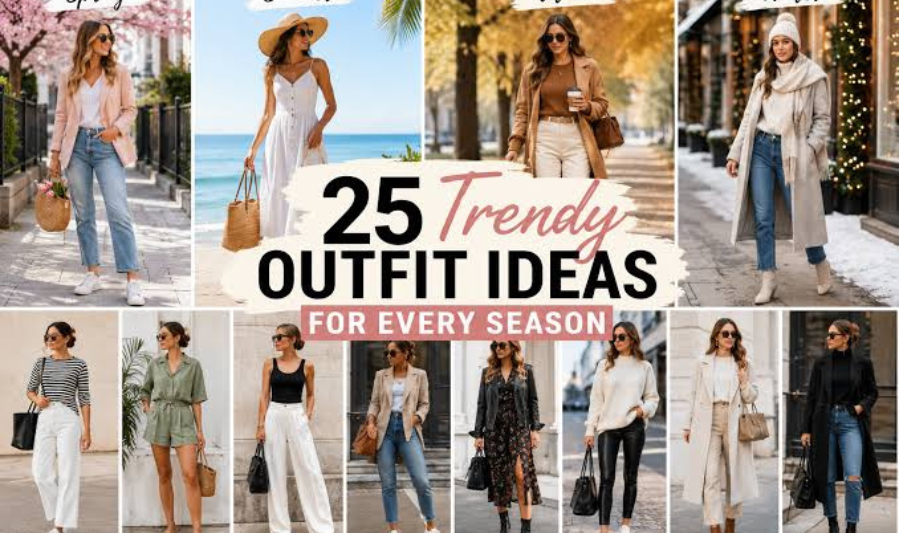
Every season presents unique weather conditions that influence your clothing choices. Wearing season-appropriate outfits improves comfort, protects you from changing temperatures, and ensures your appearance remains polished in any environment. Choosing suitable fabrics and layering techniques also helps extend the life of your clothing.
Adapting Your Wardrobe Throughout the Year
Instead of buying entirely new clothes each season, build a wardrobe with versatile pieces that can be layered or combined to suit different weather conditions. This approach saves money while providing flexibility and style all year long.
How Weather Influences Comfort, Confidence, and Style
Weather plays a major role in determining how comfortable you feel throughout the day. Breathable fabrics keep you cool in summer, while insulating materials provide warmth during colder months. Dressing appropriately for the climate not only improves physical comfort but also boosts confidence by ensuring you feel prepared for any situation.
Choosing the Right Fabrics for Every Season
Lightweight materials such as cotton and linen are ideal for warm weather, while wool, flannel, and knitwear provide insulation during autumn and winter. Selecting fabrics that match the season enhances both comfort and overall appearance.
The Benefits of a Seasonal Wardrobe
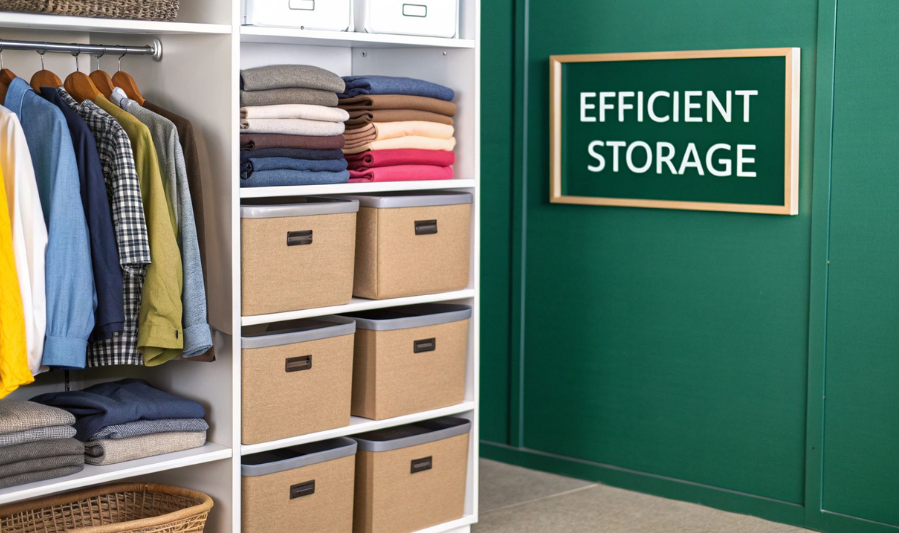
A seasonal wardrobe allows you to organize your clothing based on weather conditions and lifestyle needs. It reduces unnecessary clutter, makes outfit planning easier, and ensures you always have appropriate clothing available for changing temperatures.
Building a Practical and Versatile Collection
Investing in timeless seasonal essentials—such as lightweight shirts for summer, layering pieces for autumn, warm coats for winter, and breathable jackets for spring—creates a wardrobe that remains functional, stylish, and cost-effective year after year.
What You’ll Learn in This Guide
This guide will help you understand how to dress confidently in every season by selecting the right clothing, fabrics, colors, and layering techniques. Whether you’re preparing for hot summers, cool autumns, cold winters, or refreshing spring weather, you’ll discover practical styling advice for every part of the year.
Topics Covered in This Guide
Throughout this guide, you’ll learn how to build a seasonal wardrobe, choose weather-appropriate fabrics, master layering techniques, coordinate seasonal colors, and create stylish outfits that keep you comfortable while enhancing your personal style.
Understanding Seasonal Fashion
Seasonal fashion is the practice of choosing clothing that suits the weather, temperature, and activities associated with each season. A well-planned seasonal wardrobe helps you stay comfortable while maintaining a stylish appearance throughout the year. Instead of constantly following trends, seasonal dressing focuses on selecting practical, versatile pieces that can adapt to changing weather conditions without compromising your personal style.
What Is Seasonal Style?
Seasonal style is the process of adapting your wardrobe to match the climate and environment during different times of the year. It involves selecting appropriate fabrics, colors, layers, and accessories that provide comfort while reflecting the mood and characteristics of each season.
Building a Functional Seasonal Wardrobe
A functional seasonal wardrobe includes lightweight clothing for warmer months, insulating layers for colder weather, and versatile essentials that can transition between seasons. Choosing timeless pieces allows you to create multiple outfits while minimizing unnecessary purchases.
Why Seasonal Clothing Is Important
Seasonal clothing is designed to provide protection, comfort, and practicality in different weather conditions. Wearing clothing that matches the season helps regulate body temperature, improves comfort during daily activities, and extends the lifespan of your garments by using them appropriately.
Benefits of Dressing for the Weather
Choosing season-appropriate clothing reduces discomfort caused by excessive heat or cold, supports better mobility, and ensures you remain appropriately dressed for work, travel, and social occasions throughout the year.
Balancing Comfort and Style
Looking stylish should never come at the expense of comfort. The best seasonal outfits combine weather-appropriate fabrics with flattering fits and timeless designs to create a polished appearance that feels comfortable all day.
Choosing Practical Yet Stylish Outfits
Select breathable materials for warm weather, insulating fabrics for cold seasons, and layer clothing when temperatures change throughout the day. Focusing on fit, quality, and versatility allows you to maintain a fashionable appearance without sacrificing comfort.
Investing in Versatile Wardrobe Pieces
Building a seasonal wardrobe does not require buying an entirely new collection every few months. Investing in versatile, high-quality essentials allows you to mix and match clothing across different seasons while maximizing value.
Essential Pieces for Every Season
Choose wardrobe staples such as quality T-shirts, Oxford shirts, lightweight sweaters, chinos, dark jeans, blazers, jackets, and durable footwear. These timeless pieces can be layered and styled differently to suit spring, summer, autumn, and winter, creating a practical wardrobe that remains stylish year after year.
Building a Year-Round Wardrobe
A year-round wardrobe is built around versatile clothing pieces that work across different seasons and occasions. Instead of owning a large number of items that are rarely worn, focus on creating a collection of reliable essentials that can be layered, combined, and adapted throughout the year. A thoughtfully planned wardrobe saves time, reduces unnecessary spending, and helps you maintain a consistent personal style in every season.
Capsule Wardrobe Basics
A capsule wardrobe is a collection of essential clothing pieces that can be easily mixed and matched to create multiple outfits. The goal is to have fewer items that provide more styling options while maintaining quality and versatility.
Creating a Functional Capsule Wardrobe
Start with neutral colors, classic designs, and clothing that fits your lifestyle. Essential pieces such as plain T-shirts, Oxford shirts, jeans, chinos, sweaters, jackets, and versatile shoes form the foundation of a wardrobe that works throughout the year.
Timeless Clothing Essentials
Timeless clothing pieces remain stylish regardless of changing fashion trends. These items provide the foundation for a reliable wardrobe because they can be worn in different seasons and styled for various occasions.
Must-Have Year-Round Essentials
Key essentials include a white T-shirt, denim jeans, chinos, a navy blazer, a quality sweater, a versatile jacket, dress shirts, and classic footwear. These pieces can be dressed up or down depending on the season and occasion.
Mixing Seasonal and Classic Pieces
Combining seasonal clothing with timeless essentials creates a wardrobe that feels fresh while remaining practical. Seasonal items add variety, while classic pieces provide consistency and flexibility.
Creating Flexible Seasonal Outfits
Layering is one of the best ways to combine seasonal and classic clothing. For example, a basic shirt can be worn alone in warmer weather or layered under a sweater and jacket during colder months. This approach allows you to adapt your outfits without constantly buying new clothes.
Choosing Quality Over Quantity
A successful year-round wardrobe focuses on investing in well-made clothing rather than collecting large amounts of inexpensive items. Quality garments usually offer better comfort, durability, and appearance over time.
Smart Wardrobe Investment Tips
Choose clothing made from durable fabrics, prioritize proper fit, and invest in pieces that can be worn in multiple ways. A smaller collection of high-quality essentials often creates more outfit options than a closet filled with items that do not work together.
Summer Style Guide
Summer dressing is about staying comfortable in warm weather while maintaining a stylish and polished appearance. Choosing breathable fabrics, lightweight layers, and appropriate colors helps you stay cool without compromising your personal style. A well-planned summer wardrobe allows you to create outfits that work for casual days, office environments, vacations, and social events.
Dressing for Hot Weather
Hot weather requires clothing that allows airflow, absorbs moisture, and provides comfort throughout the day. The right combination of fabric, fit, and color can make a significant difference in how you feel and look during summer.
Choosing Comfortable Summer Clothing
Opt for relaxed but well-fitted clothing that allows movement without appearing oversized. Lightweight materials, breathable designs, and lighter colors help regulate body temperature while keeping your outfits stylish.
Summer Wardrobe Essentials
A summer wardrobe should include versatile pieces that can be mixed and matched for different occasions. Focus on breathable fabrics, classic designs, and comfortable fits.
Linen Shirts
Linen shirts are a summer essential because they are lightweight, breathable, and naturally suited for hot weather. They provide a relaxed yet sophisticated appearance and work well for both casual and smart-casual outfits.
Polo Shirts
Polo shirts offer a balance between comfort and style. They are more polished than basic T-shirts and are suitable for casual offices, weekend outings, and summer gatherings.
Lightweight Trousers
Lightweight trousers provide a stylish alternative to heavy denim during hot weather. Cotton chinos, linen trousers, and breathable blends keep you comfortable while maintaining a refined appearance.
Tailored Shorts
Tailored shorts are ideal for warm-weather casual outfits. Unlike athletic shorts, they create a cleaner and more polished look when paired with polo shirts, linen shirts, or casual footwear.
Best Summer Fabrics
Choosing the right fabric is essential for staying comfortable in hot temperatures. Breathable and lightweight materials help improve airflow and reduce discomfort.
Linen
Linen is one of the best summer fabrics because it is lightweight, breathable, and absorbs moisture effectively. Linen shirts and trousers create a relaxed yet elegant summer appearance.
Cotton
Cotton is a versatile fabric suitable for everyday summer wear. It is soft, comfortable, and available in many lightweight styles, making it ideal for T-shirts, shirts, and trousers.
Seersucker
Seersucker is a lightweight textured fabric that allows air circulation and prevents the material from sticking to the skin. It is commonly used for summer shirts, suits, and casual jackets.
Summer Color Palette
Summer colors are typically lighter and fresher, helping create a relaxed and seasonal appearance. Choosing the right color palette makes outfits look more comfortable and appropriate for warm weather.
White
White is a classic summer color that reflects sunlight and creates a clean, fresh appearance. White shirts, T-shirts, and trousers are versatile pieces that pair well with almost any summer outfit.
Light Blue
Light blue adds a calm and refreshing touch to summer wardrobes. It works especially well for Oxford shirts, linen shirts, and casual outfits.
Khaki
Khaki is a timeless summer neutral that pairs easily with white, navy, and light-colored tops. Khaki chinos and shorts are essential pieces for warm-weather styling.
Light Gray
Light gray provides a modern and sophisticated alternative to darker colors. It works well for trousers, shirts, and casual layers while maintaining a cool summer aesthetic.
Summer Outfit Ideas
Creating stylish summer outfits is about combining comfort, practicality, and seasonal style. A few versatile pieces can create many different looks.
Casual Everyday Outfit
For a relaxed everyday summer look, pair a lightweight cotton T-shirt with tailored shorts or chinos and clean sneakers. Add sunglasses or a casual watch for a simple yet stylish finish.
Office Look
For a summer office outfit, choose a light blue linen or cotton shirt with lightweight trousers and loafers. In business casual settings, a breathable blazer can be added for a more polished appearance.
Vacation Style
Vacation outfits should prioritize comfort while maintaining a stylish appearance. Combine linen shirts, tailored shorts, lightweight trousers, and casual footwear to create effortless travel-ready looks.
Autumn (Fall) Style Guide
Autumn is the perfect season for experimenting with layers, textures, and richer colors. As temperatures become cooler, your wardrobe can include heavier fabrics, versatile outerwear, and comfortable layering pieces. A well-planned fall wardrobe allows you to stay warm while creating stylish outfits that transition easily between casual and professional settings.
Layering for Cooler Weather
Layering is the foundation of autumn style because temperatures can change throughout the day. Combining different clothing layers provides flexibility, comfort, and a more stylish appearance.
Creating Effective Fall Layers
Start with lightweight base layers such as T-shirts or shirts, add mid-layers like sweaters or overshirts, and finish with jackets or coats when needed. Combining different textures and colors creates depth while keeping your outfit practical.
Fall Wardrobe Essentials
A fall wardrobe should include versatile pieces that provide warmth, comfort, and style. Choosing timeless items allows you to create multiple outfits throughout the season.
Overshirts
Overshirts are lightweight jackets that combine the comfort of a shirt with the structure of outerwear. They are ideal for layering over T-shirts, Henleys, and sweaters during mild autumn weather.
Sweaters
Sweaters are essential for staying comfortable during cooler days. Crew neck and V-neck sweaters can be worn over shirts or under jackets to create polished seasonal outfits.
Denim Jackets
Denim jackets provide a casual and timeless layer that works well with jeans, chinos, and sweaters. They add texture and personality to autumn outfits while remaining easy to style.
Chinos
Chinos are a versatile fall essential because they provide more warmth than summer trousers while maintaining a polished appearance. Colors such as khaki, olive, navy, and brown work especially well during autumn.
Boots
Boots are practical and stylish footwear choices for fall. Chelsea boots, leather boots, and suede boots pair well with jeans, chinos, and layered outfits while providing comfort in cooler weather.
Best Fall Fabrics
The right fabrics help provide warmth and comfort while enhancing the seasonal appearance of your wardrobe. Autumn fashion often focuses on textured materials that add depth to outfits.
Flannel
Flannel is a soft, warm fabric commonly used for fall shirts and overshirts. It provides a comfortable casual look and pairs well with denim and chinos.
Denim
Denim is a durable fabric that works perfectly for autumn because it provides structure and moderate warmth. Denim jackets and jeans are timeless pieces that fit naturally into fall wardrobes.
Wool Blends
Wool blends provide insulation while maintaining comfort and breathability. They are commonly used in sweaters, coats, and trousers, making them ideal for colder autumn days.
Fall Color Palette
Autumn colors are inspired by nature and create a warm, sophisticated appearance. Rich tones and earthy shades help create stylish seasonal outfits.
Brown
Brown is a classic fall color that adds warmth and versatility. It works well in jackets, boots, belts, and knitwear while pairing easily with navy, beige, and grey.
Burgundy
Burgundy adds depth and sophistication to autumn outfits. It works especially well in sweaters, shirts, scarves, and accessories.
Rust
Rust is a warm seasonal shade that creates a distinctive fall appearance. It pairs well with neutral colors such as beige, navy, and grey.
Olive
Olive is a practical and versatile autumn color. It works well for jackets, chinos, sweaters, and casual layers, creating a balanced outdoor-inspired look.
Mustard
Mustard adds personality and warmth to fall outfits. Because it is a bold shade, it works best when used as an accent color through sweaters, scarves, or accessories.
You may also like to read these posts:
Office Wear for Men: The Complete Style Guide
Men’s Style Guide: Everything You Need to Dress Better
Fall Outfit Ideas
Autumn outfits should combine comfort, layering, and seasonal colors. A few versatile wardrobe pieces can create many stylish combinations.
Business Casual
For a professional fall look, pair charcoal chinos or trousers with an Oxford shirt, a wool sweater, and leather boots. Add a blazer or structured jacket for a more polished office appearance.
Smart Casual
A smart casual autumn outfit can include dark jeans, a flannel shirt, an overshirt, and Chelsea boots. Layering different textures creates a stylish yet comfortable appearance.
Weekend Look
For a relaxed weekend outfit, combine a basic T-shirt with a denim jacket, chinos, and casual boots. Add a sweater or scarf when temperatures drop for extra warmth and style.
Faqs:
How should men dress for different seasons?
Men should choose clothing based on weather, comfort, and style. Lightweight and breathable fabrics work best in warmer months, while layering with wool, jackets, and sweaters helps create stylish winter outfits.
What fabrics are best for summer and winter?
For summer, breathable fabrics like cotton, linen, and seersucker help keep you cool. For winter, wool, cashmere, fleece, and heavier fabrics provide warmth while maintaining a polished appearance.
How can I build a seasonal wardrobe on a budget?
Start with versatile essentials that work across multiple seasons, such as neutral-colored shirts, quality trousers, jackets, and comfortable shoes. Add seasonal pieces gradually to create a functional wardrobe.
What colors are best for each season?
Spring and summer styles often feature lighter shades like white, beige, pastels, and blue. Fall and winter outfits usually work well with deeper tones like brown, burgundy, navy, gray, and forest green.
How can I layer clothes without looking bulky?
Use lightweight layers and combine different textures. Start with a base layer, add a shirt or sweater, and finish with a jacket or coat that fits properly to create a stylish and balanced look.
Conclusion
Dressing well throughout the year is about understanding how to adapt your style to changing seasons while maintaining comfort and confidence. By choosing the right fabrics, colors, layers, and wardrobe essentials, you can create stylish outfits for any weather condition. A well-planned seasonal wardrobe allows you to stay prepared, look professional, and express your personal style in every season. Focus on quality pieces, smart combinations, and timeless fashion choices to build a versatile wardrobe that works all year round.