
Introduction
What Is Smart Casual Style?
Smart casual is a versatile dress code that combines the sophistication of formal wear with the comfort of casual clothing. It focuses on creating a polished yet relaxed appearance suitable for work, social gatherings, dinners, travel, and many other occasions.
Key Characteristics of Smart Casual
- Combines formal and casual wardrobe pieces.
- Prioritizes comfort without compromising style.
- Suitable for both professional and social settings.
- Focuses on clean, well-fitted clothing and quality fabrics.
Why Smart Casual Matters Today
Today’s workplaces and lifestyles have become more flexible than ever. Smart casual allows people to dress appropriately across different environments without constantly changing outfits. It reflects professionalism, confidence, and modern fashion sensibilities.
Where You Can Wear Smart Casual
- Office and business casual workplaces
- Client meetings
- Dinner dates
- Weekend outings
- Networking events
- Casual weddings and celebrations
The Evolution of Smart Casual Fashion
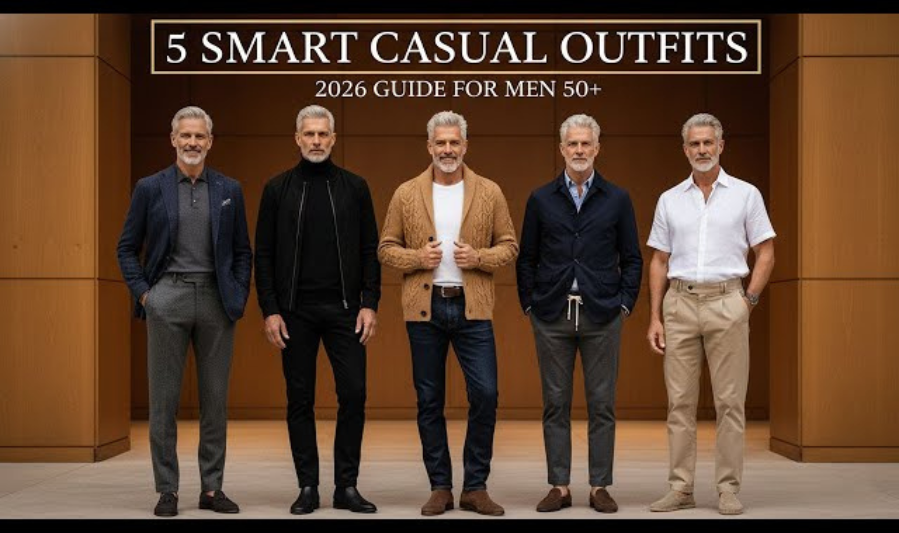
Smart casual has changed significantly over the years. As workplace dress codes became less formal, fashion shifted toward versatile clothing that balances elegance and comfort. Modern smart casual embraces minimalist designs, premium materials, and timeless wardrobe essentials.
How Smart Casual Has Changed
Traditional Smart Casual
- More structured blazers
- Formal leather shoes
- Neutral color palettes
Modern Smart Casual
- Smart sneakers
- Relaxed tailoring
- Premium polo shirts
- Stretch fabrics and comfortable fits
Benefits of Dressing Smart Casual
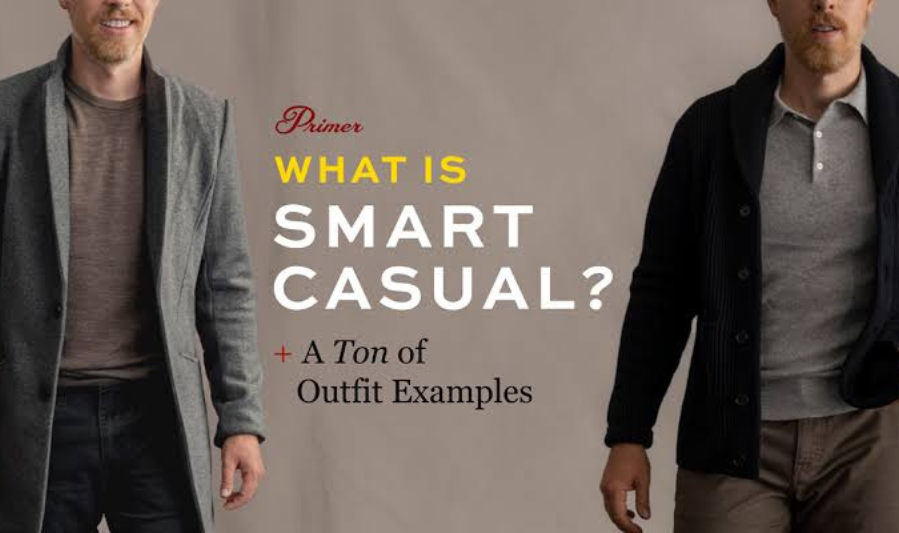
A smart casual wardrobe offers flexibility, practicality, and timeless appeal.
Professional Appearance
Looking polished creates a strong first impression while maintaining comfort throughout the day.
Greater Versatility
Many smart casual pieces can be mixed and matched for work, travel, and social occasions.
Better Value for Money
Investing in quality wardrobe staples reduces the need for separate formal and casual wardrobes.
Increased Confidence
Wearing clothes that fit well and suit the occasion helps you feel more confident and self-assured.
Who Should Read This Guide?
This guide is designed for anyone who wants to improve their style and build a versatile wardrobe.
This Guide Is Perfect For
- Students entering the workforce
- Office professionals
- Entrepreneurs and freelancers
- Business travelers
- Fashion beginners
- Anyone interested in dressing more confidently
What You’ll Learn
This guide provides practical advice to help you master smart casual dressing.
Inside This Guide
Smart Casual Fundamentals
Understand the principles that define smart casual style.
Wardrobe Essentials
Discover the must-have clothing, shoes, and accessories for a versatile wardrobe.
Outfit Ideas
Learn how to dress smart casual for work, dates, travel, parties, and everyday wear.
Styling Tips
Explore color coordination, layering techniques, seasonal dressing, and accessorizing.
Common Mistakes to Avoid
Identify the styling errors that can make an outfit look either too formal or too casual.
Building a Timeless Wardrobe
Learn how to invest in quality essentials that remain stylish for years while reflecting your personal taste.
Understanding Smart Casual Style
Smart casual is one of the most versatile dress codes in modern fashion. It bridges the gap between formal business attire and everyday casual clothing, allowing you to look polished without appearing overdressed. Whether you’re heading to the office, meeting friends for dinner, or attending a networking event, smart casual helps you strike the perfect balance between comfort and sophistication.
Definition of Smart Casual
Smart casual is a style of dressing that combines tailored, refined pieces with relaxed, comfortable clothing. Instead of following strict fashion rules, it focuses on creating a neat, well-coordinated appearance that feels effortless.
A typical smart casual outfit may include chinos with a button-down shirt, dark jeans paired with a blazer, or a simple dress complemented by elegant accessories. The emphasis is on proper fit, quality fabrics, and clean, understated styling.
History of Smart Casual Fashion
The concept of smart casual emerged during the 20th century as workplace dress codes began to evolve. Businesses gradually moved away from rigid formal attire, creating a need for clothing that looked professional while offering greater comfort.
Over time, fashion designers embraced this shift by introducing versatile wardrobe staples such as tailored chinos, knit polos, premium denim, and unstructured blazers. Today, smart casual has become a global fashion standard, reflecting modern lifestyles where flexibility, functionality, and personal expression are highly valued.
How Smart Casual Has Evolved
- Traditional business wear has become less formal.
- Comfortable fabrics and relaxed tailoring have gained popularity.
- Premium sneakers are now widely accepted in smart casual outfits.
- Individual style and versatility play a larger role than strict dress codes.
Key Characteristics of Smart Casual
Although smart casual allows for creativity, several core principles define the style.
Balanced Appearance
A successful smart casual outfit blends formal and casual pieces to achieve a polished yet relaxed look.
Proper Fit
Clothing should fit well without being overly tight or excessively loose. Tailored garments create a cleaner and more refined silhouette.
Quality Over Quantity
Well-made clothing crafted from premium materials such as cotton, wool, linen, and leather enhances both comfort and appearance.
Neutral and Coordinated Colors
Smart casual wardrobes often feature timeless colors like navy, black, white, gray, beige, and olive, making outfits easy to mix and match.
Minimal Accessories
Accessories should complement the outfit rather than dominate it. Classic watches, leather belts, and understated jewelry add sophistication without overwhelming the overall look.
Why Smart Casual Is So Popular
Smart casual has become one of the most widely adopted dress codes because it adapts effortlessly to different occasions. It offers the flexibility to transition from work to social events with minimal changes while maintaining a polished appearance.
Suitable for Multiple Occasions
The same outfit can often be worn to the office, a casual business meeting, dinner with friends, or a weekend event by making only minor adjustments.
Comfortable Yet Professional
Unlike traditional formal wear, smart casual prioritizes comfort through softer fabrics, relaxed tailoring, and practical footwear without sacrificing style.
Timeless and Versatile
Smart casual fashion is built around classic wardrobe essentials that remain stylish across changing trends, making it a practical long-term investment.
Encourages Personal Style
Because the dress code is less rigid than formal attire, individuals have greater freedom to express their personality through colors, textures, accessories, and styling choices while still looking refined.
Smart Casual Dress Code Explained
The smart casual dress code offers the perfect balance between formal and casual attire. It allows you to look polished, professional, and stylish without the strict requirements of traditional business or formal wear. The key is to choose well-fitted, high-quality clothing and combine classic pieces with more relaxed elements to create a refined yet comfortable look.
What Is a Smart Casual Dress Code?
A smart casual dress code is a style guideline that blends sophisticated clothing with everyday essentials. Unlike formal dress codes, it gives you more flexibility while still maintaining a neat and appropriate appearance.
Smart casual outfits often include items such as tailored trousers, chinos, dark jeans, button-down shirts, polo shirts, blazers, knitwear, loafers, leather shoes, or clean minimalist sneakers. The focus is on balance—pairing casual pieces with more structured garments to achieve a polished finish.
Core Elements of Smart Casual
- Clean, well-fitted clothing
- Neutral or complementary color combinations
- Quality fabrics and craftsmanship
- Minimal, tasteful accessories
- Comfortable yet refined footwear
Where You Can Wear Smart Casual
One of the biggest advantages of smart casual is its versatility. It works well in a variety of professional and social environments where a relaxed yet polished appearance is expected.
Common Places for Smart Casual
- Modern offices and business casual workplaces
- Client meetings and networking events
- Restaurants and dinner dates
- Weekend gatherings
- Family celebrations
- Casual weddings
- Art galleries and exhibitions
- Business travel and conferences
When Smart Casual Is Appropriate
Smart casual is appropriate whenever you want to appear confident, stylish, and approachable without looking overly formal. It is especially useful in situations where business attire may feel too rigid, but casual clothing would seem underdressed.
Ideal Situations
- First dates
- Job interviews with relaxed dress codes
- Business lunches
- Presentations in creative industries
- Holiday parties
- Social events after work
- University presentations
- Informal professional meetings
When in doubt, it is generally better to lean slightly more polished than too casual. Adding a blazer, leather shoes, or a structured accessory can easily elevate your outfit.
Occasions That Require Smart Casual
Many events specify a smart casual dress code because it offers guests flexibility while maintaining an elegant atmosphere.
Professional Occasions
- Business networking events
- Company celebrations
- Team meetings
- Industry conferences
- Client presentations
Social Occasions
- Birthday celebrations
- Dinner parties
- Engagement parties
- Family reunions
- Brunch with friends
Special Events
- Casual weddings
- Graduation ceremonies
- Cocktail receptions with relaxed dress codes
- Charity events
- Cultural performances
Understanding the expectations of the event and dressing slightly above the minimum standard helps ensure you always make a positive and lasting impression.
Smart Casual vs Other Dress Codes
Understanding the differences between smart casual and other dress codes can help you choose the right outfit for any occasion. While many dress codes share similar elements, each one has different expectations regarding formality, clothing choices, and overall appearance. Smart casual sits in the middle, offering more polish than everyday casual wear while remaining more relaxed than traditional professional or formal styles.
Smart Casual vs Casual
Smart casual and casual clothing both prioritize comfort, but smart casual requires a more refined and intentional approach. Casual outfits are often relaxed and practical, while smart casual outfits focus on looking neat, coordinated, and well put together.
Key Differences Between Smart Casual and Casual
| Smart Casual | Casual |
|---|---|
| Structured and polished appearance | Relaxed and effortless appearance |
| Chinos, tailored trousers, blazers, polos | T-shirts, sweatshirts, joggers, casual jeans |
| Loafers, leather shoes, clean sneakers | Sneakers, sandals, everyday footwear |
| Suitable for social and professional settings | Best for informal everyday activities |
Example Outfits
Smart Casual:
A button-down shirt with chinos and loafers.
Casual:
A T-shirt with jeans and sneakers.
Smart Casual vs Business Casual
Smart casual and business casual are often confused because both combine professional and relaxed elements. However, business casual usually follows more workplace-focused guidelines, while smart casual allows greater creativity and personal expression.
Key Differences Between Smart Casual and Business Casual
| Smart Casual | Business Casual |
| More flexible and style-focused | More traditional and workplace-oriented |
| May include premium sneakers and dark denim | Usually avoids casual footwear and jeans |
| Allows more personality and fashion choices | Maintains a conservative professional look |
| Works for work and social occasions | Primarily designed for office environments |
Example Outfits
Smart Casual:
Dark jeans, a blazer, a fitted shirt, and minimalist sneakers.
Business Casual:
Dress trousers, a collared shirt, and leather shoes.
Smart Casual vs Business Professional
Business professional is significantly more formal than smart casual. It follows traditional workplace standards and emphasizes a polished, conservative appearance.
Key Differences Between Smart Casual and Business Professional
| Smart Casual | Business Professional |
| Relaxed tailoring and modern styles | Formal suits and structured clothing |
| More freedom with colors and fabrics | Conservative colors and designs |
| Can include casual-inspired pieces | Requires traditional professional attire |
| Suitable for relaxed workplaces | Common in formal corporate environments |
Example Outfits
Smart Casual:
A blazer with chinos, a knit polo, and loafers.
Business Professional:
A tailored suit, dress shirt, tie, and formal leather shoes.
Smart Casual vs Formal
Formal attire follows strict style rules and is reserved for important events that require a highly polished appearance. Smart casual is much more relaxed and focuses on versatility.
Key Differences Between Smart Casual and Formal
| Smart Casual | Formal |
| Comfortable and adaptable | Elegant and highly structured |
| Blazers, chinos, smart shirts | Tuxedos, formal suits, evening wear |
| Minimal accessories | More traditional formal accessories |
| Everyday sophistication | Special occasion dressing |
Example Outfits
Smart Casual:
A tailored jacket with trousers and a refined shirt.
Formal:
A tuxedo or a complete formal suit with dress accessories.
Smart Casual vs Cocktail Attire
Cocktail attire is designed for stylish evening events and typically requires a more elegant appearance than smart casual. While both styles can be fashionable, cocktail dressing places greater emphasis on sophistication and occasion-specific details.
Key Differences Between Smart Casual and Cocktail Attire
| Smart Casual | Cocktail Attire |
| Relaxed elegance | Evening sophistication |
| Comfortable fabrics and versatile pieces | Dressier fabrics and statement pieces |
| Suitable for daytime and casual events | Designed for parties and formal gatherings |
| Simple accessories | More polished accessories |
Example Outfits
Smart Casual:
A tailored shirt, trousers, and loafers.
Cocktail Attire:
A stylish dress, suit, or elevated evening outfit with formal accessories.
Choosing the Right Dress Code
The best outfit depends on the occasion, location, and expectations of the event. Smart casual is often the safest choice when the dress code is unclear because it allows you to look polished while maintaining comfort and flexibility. By understanding how it compares with other dress codes, you can easily adjust your style and dress appropriately for any situation.
The Principles of Smart Casual Dressing
Smart casual dressing is built on the idea of creating a balanced, polished, and comfortable appearance. While the style allows flexibility, following a few essential principles helps ensure your outfits always look intentional and sophisticated. From choosing the right fit to selecting quality pieces, these guidelines make it easier to create a smart casual wardrobe that works for any occasion.
Prioritize Proper Fit
The foundation of smart casual style is wearing clothing that fits well. Even the most expensive garments can look unpolished if they are too loose, too tight, or poorly shaped.
You may also like to read these posts:
Office Wear for Men: The Complete Style Guide
Men’s Style Guide: Everything You Need to Dress Better
Men’s Seasonal Wardrobe Guide: Essential Outfits for Every Season
Why Fit Matters
Well-fitted clothing creates a cleaner silhouette and gives your outfit a more refined appearance. Smart casual does not require extremely tailored clothing, but pieces should complement your body shape while allowing comfortable movement.
Tips for Better Fit
- Choose shirts that sit correctly on your shoulders.
- Avoid trousers that are excessively baggy or tight.
- Make sure sleeves and pant lengths are appropriate.
- Consider tailoring key wardrobe pieces for a personalized fit.
Balance Formal and Casual Pieces
Smart casual style works best when formal and casual elements are combined thoughtfully. The goal is to avoid looking either too relaxed or too dressed up.
How to Create Balance
Pair structured pieces with casual items to achieve a modern, effortless look.
Examples:
- Blazer + dark jeans
- Button-down shirt + chinos
- Polo shirt + tailored trousers
- Leather shoes + casual knitwear
This contrast creates the signature smart casual appearance.
Keep Outfits Simple
Smart casual fashion is based on understated elegance. Avoiding excessive patterns, unnecessary layers, and too many accessories helps maintain a clean and sophisticated look.
Simple Styling Rules
- Choose a few complementary colors.
- Avoid mixing too many trends at once.
- Let one key piece stand out.
- Keep accessories minimal and functional.
A simple outfit with excellent fit and quality will often look more stylish than an overly complicated one.
Focus on Quality
Quality clothing improves both the appearance and longevity of your wardrobe. Smart casual style depends on timeless pieces that can be worn in different combinations.
Important Quality Factors
- Durable fabrics
- Strong stitching
- Comfortable materials
- Clean finishes
- Classic designs
Investing in quality essentials such as a well-made blazer, leather shoes, premium shirts, and versatile trousers helps create a reliable smart casual wardrobe.
Dress for the Occasion
Smart casual does not mean the same outfit works everywhere. The level of formality should match the event, environment, and expectations of the occasion.
Adjusting Smart Casual for Different Settings
Work Environment:
Choose polished pieces such as chinos, collared shirts, and loafers.
Social Events:
Add more personality through colors, textures, or stylish accessories.
Dinner or Evening Events:
Opt for darker colors, refined fabrics, and elevated footwear.
Understanding the occasion allows you to stay appropriately dressed while expressing your personal style.
Build Around Neutral Colors
Neutral colors form the foundation of a versatile smart casual wardrobe. They are easy to combine, timeless, and suitable for a wide range of occasions.
Essential Smart Casual Colors
- Navy
- Black
- White
- Gray
- Beige
- Brown
- Olive
How to Use Neutral Colors
Start with neutral basics and add personality through subtle patterns, textures, or seasonal colors. A navy blazer, white shirt, gray trousers, and brown shoes can create countless smart casual combinations.
Building your wardrobe around these principles makes dressing easier and ensures every outfit looks balanced, modern, and confident.
Faqs:
What Does Smart Casual Style Mean?
Smart casual style is a combination of polished and relaxed clothing. It blends elements of formal dressing, such as blazers, Oxford shirts, and loafers, with casual pieces like jeans, T-shirts, and sneakers. The goal is to create an outfit that looks stylish, comfortable, and appropriate for different occasions.
Can You Wear Jeans for Smart Casual?
Yes, jeans can be part of a smart casual outfit when they are clean, well-fitted, and free from excessive distressing. Dark-wash or straight-leg jeans work best because they create a more refined appearance compared to ripped or heavily faded denim.
Are Sneakers Considered Smart Casual?
Minimal leather sneakers can be considered smart casual when they have a clean design and neutral color. White, black, or grey leather sneakers pair well with chinos, dark jeans, and tailored trousers. Athletic sneakers with bright colors or large logos are usually too casual.
Do You Need a Blazer for Smart Casual Style?
A blazer is not required for every smart casual outfit, but it is one of the easiest ways to elevate your look. A navy or grey blazer can instantly make simple combinations, such as a T-shirt with jeans or a shirt with chinos, appear more polished.
What Are the Best Colors for Smart Casual Outfits?
The best colors for smart casual outfits are versatile neutrals and earthy tones. Navy, grey, white, black, beige, olive, brown, and burgundy are easy to combine and create a timeless appearance. Adding small accent colors through shirts, accessories, or footwear can bring personality to your outfit.
Conclusion
Smart casual style is about finding the perfect balance between looking polished and feeling comfortable. It is not about wearing expensive clothing or following every fashion trend; it is about choosing well-fitted, versatile pieces that reflect your personality and suit the occasion.