
Introduction
Why Personal Style Matters Today
Personal style has become an important part of everyday life. It is more than simply wearing fashionable clothes—it is about expressing who you are, building confidence, and creating a positive image. In a world where first impressions are often made within seconds, your appearance can influence both personal and professional opportunities.
Personal Style as a Form of Self-Expression
Everyone has a unique personality, and clothing is one of the easiest ways to express it. Your choice of colors, fabrics, and outfits reflects your preferences, lifestyle, and values, helping others understand who you are without saying a word.
Why Individuality Matters
Developing your own style allows you to stand out while staying true to yourself. Rather than following every fashion trend, focusing on what suits your personality and body type helps you create a timeless and authentic appearance.
The Role of Fashion in Modern Life
Fashion has evolved beyond trends and seasonal collections. Today, people use clothing to communicate confidence, professionalism, creativity, and cultural identity. A thoughtful wardrobe can support your goals in both your personal and professional life.
Adapting to Different Situations
Having a versatile personal style enables you to dress appropriately for work, social events, formal occasions, and casual outings without compromising your individuality.
How Dressing Well Influences Confidence and First Impressions
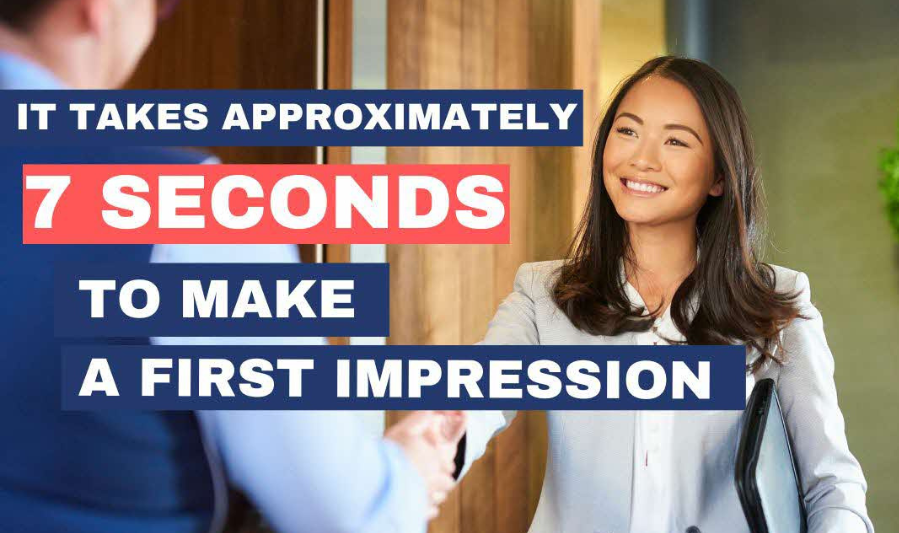
The way you dress affects not only how others perceive you but also how you feel about yourself. Choosing clothing that fits well and matches the occasion can improve self-esteem, boost confidence, and help you make a positive impression.
The Connection Between Clothing and Confidence
When you wear outfits that make you feel comfortable and attractive, you naturally become more confident. This confidence often influences your posture, communication skills, and overall presence.
Building Self-Confidence Through Style
A well-planned wardrobe eliminates uncertainty about what to wear, allowing you to focus on your work, relationships, or daily activities instead of worrying about your appearance.
Creating Strong First Impressions
People often form opinions within the first few moments of meeting someone. Your clothing, grooming, and overall presentation contribute to these initial perceptions before you even begin speaking.
Professional and Social Benefits
Whether attending a job interview, business meeting, or social gathering, dressing appropriately demonstrates respect, professionalism, and attention to detail. These qualities can improve your credibility and leave a lasting positive impression.
What Readers Will Learn From This Guide
This guide is designed to help readers build a confident and practical personal style that suits their lifestyle, personality, and goals. It combines foundational fashion principles with actionable tips that can be applied every day.
Core Topics Covered
Throughout this guide, you will learn the essential elements of developing a strong personal style, including wardrobe planning, color coordination, clothing fit, and accessorizing.
Skills You Will Gain
By the end of this guide, you will be able to:
- Identify your personal style preferences.
- Build a versatile wardrobe with timeless essentials.
- Choose clothing that complements your body type.
- Coordinate colors, patterns, and accessories effectively.
- Dress appropriately for different occasions.
- Develop long-term fashion habits that enhance confidence and self-expression.
Understanding Personal Style
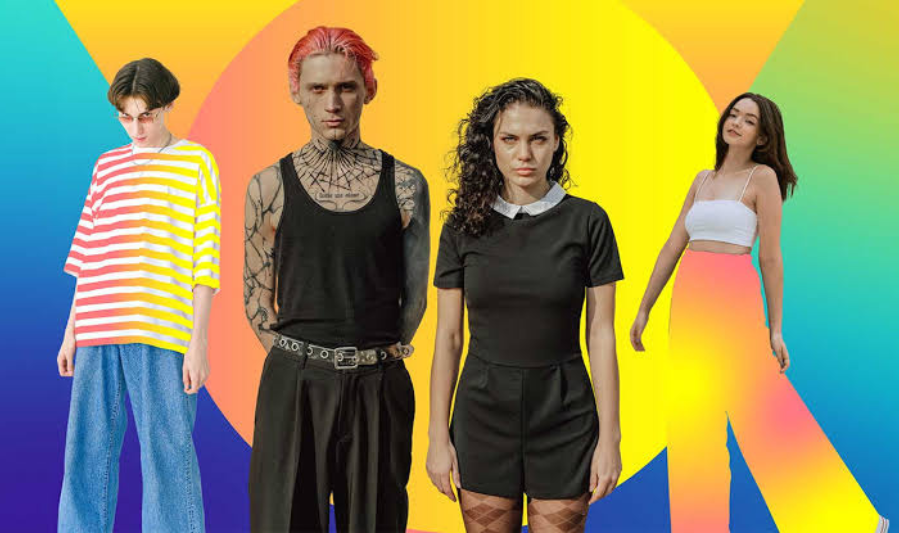
What Is Personal Style?
Personal style is the unique way an individual expresses themselves through clothing, accessories, grooming, and overall appearance. It reflects your personality, preferences, values, and lifestyle rather than simply following the latest fashion trends. A well-developed personal style helps you feel confident, comfortable, and authentic in any situation.
Definition of Personal Style
Personal style is a combination of the clothing, colors, patterns, fabrics, and accessories that consistently represent who you are. It evolves over time as your experiences, interests, and lifestyle change, making it a personal journey rather than a fixed set of rules.
Key Characteristics of Personal Style
A strong personal style is:
- Authentic and true to your personality.
- Comfortable and practical for your daily life.
- Consistent across different occasions.
- Flexible enough to evolve with changing preferences and needs.
Why Style Is Different from Fashion
Although people often use the terms style and fashion interchangeably, they have different meanings. Fashion refers to the latest clothing trends that change from season to season, while personal style is timeless and based on individual preferences.
Style vs. Fashion
Fashion encourages following current trends, but personal style focuses on wearing what suits your body, personality, and lifestyle. Someone with a strong sense of style can incorporate fashion trends selectively without losing their unique identity.
Finding Your Style Identity
Developing your personal style begins with understanding yourself. Your daily activities, personality, career, environment, and financial situation all influence the clothing choices that work best for you.
Lifestyle
Your lifestyle determines the type of clothing you need most. For example, someone who works remotely may prioritize comfortable casual wear, while a frequent traveler may prefer versatile, wrinkle-resistant clothing.
Dressing for Daily Activities
Build a wardrobe that matches how you spend your time. Consider your work schedule, hobbies, social events, fitness routine, and travel habits when selecting clothing.
Personality
Your clothing should reflect who you are. Whether your personality is classic, creative, minimalist, sporty, or bold, your wardrobe should communicate your individuality.
Expressing Yourself Through Clothing
Choose colors, silhouettes, and accessories that make you feel confident and comfortable. Authenticity is more important than copying someone else’s style.
Career
Your profession often influences your wardrobe requirements. Different workplaces have different dress codes, ranging from formal business attire to smart casual or creative fashion.
Balancing Professionalism and Personal Style
Incorporate your personality into your work wardrobe while respecting your organization’s dress expectations. Small details such as colors, accessories, or footwear can help express your individuality.
Climate
The weather and environment where you live play a significant role in choosing clothing. Fabrics, layering, and seasonal wardrobe planning help ensure both comfort and practicality.
Choosing Clothing for Different Weather Conditions
Lightweight, breathable fabrics work well in hot climates, while insulating materials and layered outfits are better suited for colder regions. Selecting season-appropriate clothing improves comfort without sacrificing style.
Budget
Building a stylish wardrobe does not require spending a large amount of money. Careful planning and thoughtful purchasing can help you create a versatile collection of clothing within your budget.
Building Style on a Budget
Focus on purchasing quality wardrobe essentials that can be mixed and matched. Invest in timeless pieces, shop during sales, and avoid impulse purchases based solely on temporary fashion trends.
Know Your Body Type
Understanding your body type is one of the most important steps in developing a personal style. While every body is unique, recognizing your general body shape can help you choose clothing that creates balance, enhances your best features, and improves your overall appearance. The goal is not to change your body but to dress in a way that makes you feel comfortable and confident.
Common Male Body Types
Rectangle Body Shape
A rectangle body shape has shoulders and hips that are approximately the same width, with a relatively straight waistline. Men with this body type usually have a lean, athletic appearance but may lack a naturally defined upper body.
Best Clothing for a Rectangle Body Shape
- Wear structured blazers and jackets with padded shoulders.
- Choose horizontal stripes or layered outfits to add visual width.
- Opt for slim or tailored-fit shirts and trousers.
- Experiment with textured fabrics and patterned tops to create dimension.
Common Styling Mistakes
- Wearing oversized clothing that hides your frame.
- Choosing extremely skinny or baggy pants.
- Wearing shapeless outfits that make the body appear flat.
Triangle Body Shape
A triangle body shape is characterized by hips and waist that are wider than the shoulders. This creates a lower-body-heavy appearance.
Best Clothing for a Triangle Body Shape
- Wear jackets with structured shoulders to broaden the upper body.
- Choose darker trousers and brighter or patterned tops.
- Select straight-leg or tailored pants.
- Layer with blazers, overshirts, or lightweight jackets.
Common Styling Mistakes
- Wearing tight-fitting shirts that emphasize the waist.
- Choosing low-rise pants that draw attention to the hips.
- Wearing bulky pockets or details around the hips.
Inverted Triangle Body Shape
Men with an inverted triangle body shape have broad shoulders and a wide chest that taper down to a narrow waist and hips. This is often considered an athletic physique.
Best Clothing for an Inverted Triangle Body Shape
- Choose slim-fit clothing that follows your natural shape.
- Wear straight-leg or tapered trousers to balance proportions.
- Opt for lightweight fabrics instead of bulky layers.
- Select simple, clean designs with minimal shoulder padding.
Common Styling Mistakes
- Wearing jackets with excessive shoulder padding.
- Choosing very tight shirts that exaggerate shoulder width.
- Wearing extremely skinny pants that make the upper body look even larger.
Oval Body Shape
An oval body shape has a fuller midsection with shoulders and hips that appear narrower than the waist. The objective is to create a more balanced silhouette.
Best Clothing for an Oval Body Shape
- Wear well-fitted clothing that skims the body without being tight.
- Choose vertical stripes to create the illusion of height.
- Wear darker solid colors for a streamlined appearance.
- Use structured jackets to define the shoulders.
Common Styling Mistakes
- Wearing oversized clothing to hide the stomach.
- Choosing tight shirts that cling to the midsection.
- Wearing bold horizontal stripes across the torso.
Trapezoid Body Shape
The trapezoid is considered the most balanced male body shape. The shoulders are slightly broader than the hips, with a naturally defined waist and proportionate frame.
Best Clothing for a Trapezoid Body Shape
- Wear tailored suits, shirts, and jackets that highlight your proportions.
- Choose slim-fit or modern-fit clothing.
- Experiment with different colors, patterns, and textures.
- Invest in high-quality wardrobe essentials that fit well.
Common Styling Mistakes
- Wearing oversized clothing that hides your natural shape.
- Choosing clothing that is too tight and restricts movement.
- Ignoring proper tailoring and fit.
Best Clothing for Each Body Shape
Choosing the Right Fit
The right fit is more important than following fashion trends. Clothing should complement your body shape while allowing comfort and ease of movement. Tailored garments often provide a cleaner and more polished appearance than clothing that is either too loose or too tight.
Essential Wardrobe Tips
- Prioritize proper fit over brand names.
- Choose fabrics that drape naturally on your body.
- Use layers strategically to create balanced proportions.
- Invest in timeless wardrobe staples that suit your body type.
- Alter clothing when necessary for a custom fit.
Common Styling Mistakes
Mistakes to Avoid Regardless of Body Type
Many style problems are caused by poor fit rather than body shape. Avoiding these common mistakes can significantly improve your overall appearance.
Style Habits to Improve
- Wearing clothes that are too large or too small.
- Following every fashion trend without considering body shape.
- Ignoring the importance of tailoring.
- Wearing inappropriate colors or proportions.
- Neglecting shoes, accessories, and grooming.
- Buying low-quality clothing instead of versatile, well-made essentials.
Remember that body type is only a guide—not a rule. Confidence, comfort, and proper fit are the foundation of great personal style. When clothing fits well and complements your natural proportions, you’ll look polished regardless of your body shape.
Building a Versatile Wardrobe
A versatile wardrobe is the foundation of great personal style. Instead of filling your closet with trendy pieces that quickly go out of fashion, focus on timeless essentials that can be mixed and matched for different occasions. A well-planned wardrobe saves time, reduces unnecessary spending, and ensures you always have appropriate outfits for work, casual outings, and special events.
Essential Tops
The right tops provide the foundation for countless outfit combinations. Choosing high-quality basics in neutral colors makes it easy to dress for any occasion.
White T-Shirt
A plain white T-shirt is one of the most versatile garments in any wardrobe. It pairs effortlessly with jeans, chinos, shorts, and jackets, making it suitable for casual and smart-casual outfits.
Styling Tips for a White T-Shirt
- Choose premium cotton for comfort and durability.
- Ensure the fit is tailored but not tight.
- Pair with dark jeans and white sneakers for a timeless look.
- Layer under a blazer or overshirt for added sophistication.
Oxford Shirt
The Oxford shirt is a timeless classic that bridges the gap between casual and formal wear. Its structured design makes it suitable for office environments, dinners, and weekend outings.
How to Wear an Oxford Shirt
- Pair with chinos for business-casual attire.
- Wear with dark jeans for a polished weekend outfit.
- Roll up the sleeves for a relaxed appearance.
- Choose neutral shades like white, light blue, or gray.
Polo Shirts
Polo shirts provide a refined alternative to T-shirts while maintaining comfort. They are ideal for occasions where a dress shirt feels too formal.
Best Styling Ideas
- Wear with chinos or tailored shorts.
- Select solid colors for maximum versatility.
- Keep the collar neat and structured.
- Finish the look with loafers or clean sneakers.
Henley
A Henley shirt combines the comfort of a T-shirt with the added detail of a buttoned neckline. It works well as both a standalone piece and a layering option.
Why You Need a Henley
- Adds texture to casual outfits.
- Looks great with jeans and boots.
- Perfect for layering during cooler weather.
- Choose neutral colors for easier styling.
Knitwear
Quality knitwear adds warmth and elegance to your wardrobe. Lightweight sweaters are perfect for layering throughout the year.
Choosing the Right Knitwear
- Invest in crew-neck and V-neck sweaters.
- Choose merino wool or cotton blends.
- Stick to classic colors like navy, charcoal, and beige.
- Layer over shirts or T-shirts for a sophisticated look.
Essential Bottoms
A balanced wardrobe includes bottoms that can transition easily between casual, business, and formal settings.
Dark Jeans
Dark-wash jeans are a wardrobe staple because they work for almost every casual and smart-casual occasion.
Styling Tips
- Pair with a white T-shirt for a classic outfit.
- Wear with an Oxford shirt and blazer for smart-casual events.
- Choose slim-straight or straight-leg fits.
- Avoid excessive distressing.
Chinos
Chinos offer a polished appearance while remaining comfortable enough for everyday wear.
How to Style Chinos
- Pair with polo shirts or Oxford shirts.
- Wear with loafers or minimalist sneakers.
- Choose versatile colors such as khaki, navy, olive, and gray.
- Ensure they fit comfortably around the waist and thighs.
Tailored Trousers
Tailored trousers are essential for professional environments and formal occasions.
Choosing Tailored Trousers
- Select classic colors like navy, black, or charcoal.
- Pair with dress shirts, knitwear, or blazers.
- Ensure proper length and fit through tailoring.
- Choose wrinkle-resistant fabrics for everyday use.
Shorts
Well-fitted shorts are an essential part of a warm-weather wardrobe. They should provide comfort while maintaining a polished appearance.
Best Shorts to Own
- Choose chino shorts over athletic styles.
- Keep the hem just above the knee.
- Pair with polo shirts, Henleys, or fitted T-shirts.
- Select neutral colors for greater versatility.
Building a Wardrobe That Lasts
Creating a versatile wardrobe is about making thoughtful purchases rather than buying more clothing. Focus on timeless pieces, proper fit, and quality materials that work together to create multiple outfits.
Quality Over Quantity
Investing in durable, well-made clothing provides better long-term value than constantly replacing inexpensive items. Quality garments maintain their shape, appearance, and comfort over time.
Smart Wardrobe Tips
- Buy timeless essentials before trendy pieces.
- Prioritize fit over brand names.
- Stick to a neutral color palette for easier mixing and matching.
- Invest in durable fabrics and quality craftsmanship.
- Replace worn-out basics to keep your wardrob
The Perfect Suit Guide
A well-fitted suit is one of the most powerful pieces in a man’s wardrobe. It represents confidence, professionalism, and attention to detail. Whether you are attending a business meeting, wedding, formal event, or special occasion, the right suit can enhance your appearance and create a lasting impression. The key to a great suit is not only the fabric or brand but also the fit, color, and way it complements your personal style.
Choosing the Right Fit
The fit of a suit determines how polished and comfortable you look. A properly fitted suit should follow your natural body shape while allowing enough room for movement. Understanding different suit fits helps you choose a style that matches your body type and personal preference.
Slim Fit
Slim-fit suits are designed with a narrow silhouette that follows the body’s natural lines. They feature a closer cut through the chest, waist, and trousers, creating a modern and sharp appearance.
Who Should Wear Slim Fit Suits
Slim-fit suits work best for men with lean or athletic builds. They are ideal for younger, fashion-conscious individuals who prefer a contemporary style.
Styling Tips for Slim Fit Suits
- Choose a jacket that allows comfortable movement.
- Avoid overly tight sleeves or trousers.
- Pair with a slim dress shirt and sleek footwear.
- Keep accessories minimal for a clean appearance.
Tailored Fit
Tailored-fit suits provide a balance between slim and classic styles. They offer a structured shape while maintaining comfort and flexibility.
Why Choose a Tailored Fit Suit
A tailored fit creates a refined silhouette without feeling restrictive. It is a versatile option suitable for professional settings, formal occasions, and everyday business wear.
Styling Tips for Tailored Fit Suits
- Ensure the shoulder seams sit perfectly on your shoulders.
- Choose trousers with a comfortable but neat fit.
- Pair with classic dress shirts and leather shoes.
- Consider alterations for a personalized fit.
Classic Fit
Classic-fit suits provide a traditional silhouette with more room through the chest, waist, and legs. They prioritize comfort while maintaining a professional appearance.
Who Should Wear Classic Fit Suits
Classic fits are suitable for men who prefer traditional styling or need extra comfort. They work well for business environments and formal occasions where timeless elegance is preferred.
Styling Tips for Classic Fit Suits
- Avoid excessive fabric that creates a loose appearance.
- Choose proper tailoring to maintain structure.
- Pair with traditional accessories such as ties and leather belts.
- Select quality fabrics for a sophisticated look.
Suit Colors Every Man Needs
Choosing the right suit color is essential for building a versatile formal wardrobe. Certain colors are timeless and can be worn across different occasions, making them valuable investments.
Navy Suit
A navy suit is one of the most versatile choices a man can own. It works well for business meetings, weddings, interviews, and formal events.
Why Navy Is Essential
Navy offers a balance between professionalism and modern style. It pairs easily with white, light blue, and patterned shirts while working with various shoe colors.
Best Ways to Wear a Navy Suit
- Pair with brown or black leather shoes.
- Combine with white or light blue shirts.
- Add a patterned tie for formal occasions.
- Wear without a tie for a smart-casual look.
Charcoal Suit
A charcoal suit provides a sophisticated and professional appearance. It is slightly more formal than navy and is ideal for office settings and important events.
Why Choose Charcoal
Charcoal is a timeless neutral color that complements many skin tones and works throughout the year. It creates a mature and confident appearance.
Best Ways to Wear a Charcoal Suit
- Pair with white or pastel dress shirts.
- Choose black or dark brown shoes.
- Use subtle patterns for added personality.
- Wear for business presentations and formal occasions.
Black Suit
A black suit is a classic formal option often associated with elegance and sophistication. It is especially suitable for evening events, formal gatherings, and ceremonies.
When to Wear a Black Suit
Black suits are best for occasions that require a more formal appearance. They create a clean and polished look when styled correctly.
Styling Tips for Black Suits
- Pair with a crisp white shirt for a traditional look.
- Choose black leather shoes for formal events.
- Avoid excessive accessories to maintain elegance.
- Ensure the fit is precise to prevent a harsh appearance.
Grey Suit
A grey suit offers flexibility and can range from professional to casual depending on the shade and styling. Light grey works well for daytime events, while darker shades provide a more formal appearance.
Why Grey Suits Are Versatile
Grey suits can be styled in many ways and work well with different shirt and tie combinations. They are an excellent addition to a complete wardrobe.
Best Ways to Wear a Grey Suit
- Pair with white, blue, or patterned shirts.
- Choose black or brown shoes depending on the shade.
- Use textured ties or pocket squares for personality.
- Select lighter shades for warmer seasons.
Final Suit Selection Tips
Focus on Fit Before Everything Else
A moderately priced suit with excellent tailoring will usually look better than an expensive suit with poor fit. Always prioritize shoulder fit, jacket length, sleeve length, and trouser break.
Building a Timeless Suit Collection
- Start with a navy suit as your first investment.
- Add charcoal for professional versatility.
- Keep a black suit for formal occasions.
- Choose grey for additional styling options.
- Maintain suits properly through cleaning and storage.
A perfect suit is not just about appearance—it is about confidence, comfort, and presenting the best version of yourself.
Casual Style Guide
Casual style is about creating comfortable outfits while maintaining a stylish and put-together appearance. The right combination of fit, colors, and wardrobe essentials allows you to dress confidently for different everyday situations.
Smart Casual
Smart casual combines relaxed clothing with more refined pieces to create a balanced and polished look. It is suitable for dinners, casual meetings, social events, and occasions where you want to appear stylish without being overly formal.
Key Elements of Smart Casual
Smart casual outfits usually include versatile pieces such as Oxford shirts, polo shirts, chinos, dark jeans, blazers, and clean footwear. The goal is to combine comfort with sophistication.
Smart Casual Styling Tips
Choose clothing that fits well and creates balance. Pair casual items with more structured pieces, such as wearing a blazer with jeans or a polo shirt with chinos. Neutral colors, clean shoes, and simple accessories help create a refined appearance.
Business Casual
Business casual is a professional yet comfortable style that is commonly worn in modern workplaces. It provides a more relaxed alternative to formal suits while maintaining a polished appearance.
Key Elements of Business Casual
Essential business casual pieces include dress shirts, polo shirts, chinos, tailored trousers, sweaters, blazers, and leather shoes. Clothing should look neat, professional, and well-fitted.
Business Casual Styling Tips
Focus on creating a professional image through proper fit and simple combinations. Avoid overly casual items such as ripped jeans, graphic T-shirts, or athletic wear. Choose classic colors and quality fabrics for a confident workplace look.
Weekend Casual
Weekend casual focuses on comfort and effortless style. It is ideal for everyday activities such as shopping, traveling, meeting friends, or relaxing.
Key Elements of Weekend Casual
Common weekend casual essentials include well-fitted T-shirts, jeans, Henleys, casual jackets, sneakers, and comfortable trousers. These pieces should be easy to combine and suitable for daily wear.
Weekend Casual Styling Tips
A relaxed outfit can still look stylish when the fit is right. Choose clean, comfortable clothing, add simple layers, and combine basic pieces with one interesting element to create a balanced look.
Streetwear Basics
Streetwear is a modern casual style influenced by urban culture, sportswear, and contemporary fashion. It focuses on comfort, individuality, and creative outfit combinations.
Key Elements of Streetwear
Streetwear commonly includes oversized T-shirts, hoodies, sweatshirts, cargo pants, relaxed jeans, sneakers, and accessories such as caps or bags. The style often uses bold designs and unique combinations.
Streetwear Styling Tips
Balance is important when creating streetwear outfits. Combine oversized pieces with fitted items, avoid excessive patterns, and use quality sneakers or accessories to complete the look. Personal expression and confidence are key elements of streetwear style.
Color Coordination
Color coordination is one of the most important aspects of dressing well. Choosing the right color combinations can enhance your appearance, create balanced outfits, and reflect your personality. Understanding basic color principles makes it easier to build a versatile wardrobe and dress confidently for any occasion.
Basic Color Theory
Basic color theory explains how colors work together to create visually appealing combinations. The color wheel is commonly used to understand relationships between colors, helping you choose outfits that are balanced and harmonious. While you don’t need to memorize every color rule, understanding complementary, analogous, and monochromatic color schemes can improve your styling choices.
Understanding Color Combinations
Complementary colors create contrast, analogous colors offer a softer and coordinated look, and monochromatic outfits use different shades of the same color for a clean and sophisticated appearance. Learning these combinations makes it easier to create stylish outfits without overwhelming your look.
Neutral Colors
Neutral colors are the foundation of a versatile wardrobe because they pair well with almost every other color. They are timeless, easy to mix and match, and suitable for both casual and formal occasions.
Essential Neutral Colors
Common neutral colors include black, white, navy, grey, beige, brown, and olive. These shades can be combined with one another or used as a base for adding brighter accent colors, making them essential for creating multiple outfit combinations.
Accent Colors
Accent colors are brighter or bolder shades used to add personality and visual interest to an outfit. They help prevent neutral outfits from looking plain while allowing you to express your individual style.
Using Accent Colors Effectively
Introduce accent colors through shirts, ties, pocket squares, shoes, jackets, or accessories. Limit bold colors to one or two pieces in an outfit to maintain balance and avoid an overly busy appearance. Popular accent colors include burgundy, forest green, mustard yellow, rust, and deep blue.
You may also like to read these posts:
Office Wear for Men: The Complete Style Guide
Men’s Style Guide: Everything You Need to Dress Better
Seasonal Colors
Different colors naturally complement different seasons and weather conditions. Adapting your wardrobe to seasonal color palettes keeps your outfits looking fresh and appropriate throughout the year.
Choosing Colors for Every Season
Light shades such as white, beige, sky blue, and pastel colors work well during spring and summer because they create a fresh and airy appearance. During autumn and winter, deeper shades like navy, charcoal, burgundy, olive, camel, and dark green provide warmth and sophistication. Building a wardrobe with sea
Faqs:
How can men improve their style?
Men can improve their style by wearing well-fitted clothes, investing in timeless wardrobe essentials, choosing colors that complement their complexion, and maintaining good grooming habits. Building a versatile wardrobe with quality basics is the foundation of great style.
What are the essential clothing items every man should own?
Every man should have a white T-shirt, Oxford shirts, dark jeans, chinos, a well-fitted blazer, a tailored suit, white sneakers, leather dress shoes, a quality belt, and a classic watch. These essentials can be mixed and matched for almost any occasion.
How do I find my personal style?
Start by considering your lifestyle, profession, and personal preferences. Look for inspiration from fashion magazines, social media, or style icons, then experiment with different outfits to discover what makes you feel comfortable and confident.
What colors should every man wear?
Neutral colors like black, white, navy, gray, and beige are timeless and easy to pair with other pieces. You can add accent colors such as olive, burgundy, or light blue to create a more stylish and balanced wardrobe.
Is it better to buy expensive clothes or affordable basics?
Quality matters more than price. Invest in durable, timeless pieces like suits, shoes, and jackets, while choosing affordable basics for everyday wear. A well-planned wardrobe focused on fit and quality offers better value than chasing expensive fashion trends.
Conclusion
Great style isn’t about following every fashion trend—it’s about wearing clothes that fit well, reflect your personality, and make you feel confident. By building a wardrobe with timeless essentials, choosing the right colors and fabrics, and paying attention to grooming and accessories, you can create versatile outfits for any occasion. Remember, true style is built over time through smart choices and consistency. Use this men’s style guide as your foundation, experiment with what works best for you, and enjoy the confidence that comes from dressing your best every day.