
Introduction
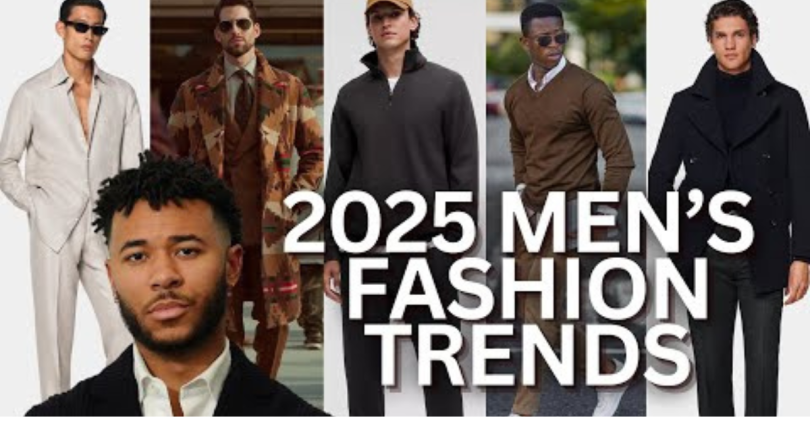
Men’s fashion has evolved far beyond basic clothing choices. Today, fashion plays an important role in expressing personality, building confidence, and adapting to different lifestyles. From classic tailoring to modern streetwear, men’s fashion trends continue to change while offering new ways for men to showcase their individuality and personal style.
What Are Men’s Fashion Trends?
Men’s fashion trends are the popular styles, clothing choices, colors, fabrics, and designs that influence how men dress during a specific period. These trends are shaped by fashion designers, cultural movements, celebrities, social media, lifestyle changes, and consumer preferences.
Examples of Modern Men’s Fashion Trends
- Relaxed tailoring and oversized silhouettes
- Minimalist wardrobes
- Smart casual dressing
- Sustainable fashion choices
- Premium basics
- Vintage-inspired styles
- Statement sneakers
- Functional and comfortable clothing
Fashion trends provide inspiration, but the best styles are those that match personal preferences, body type, and lifestyle.
Why Men’s Fashion Is More Important Than Ever
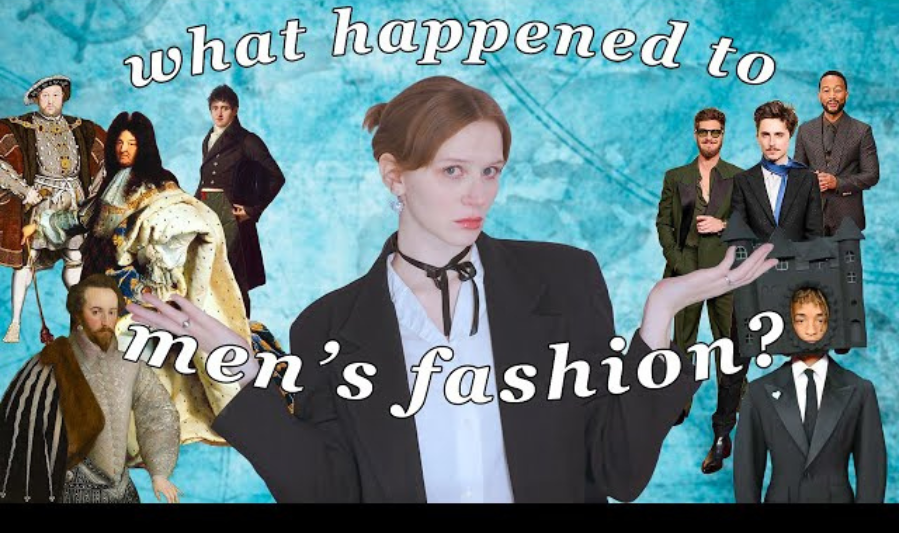
Men’s fashion has become increasingly important as modern lifestyles place greater value on appearance, individuality, and self-expression. Clothing choices influence how men present themselves in professional, social, and personal environments.
Reasons Men’s Fashion Matters Today
- Creates strong first impressions.
- Supports professional image and confidence.
- Allows personal expression.
- Helps men adapt to different occasions.
- Encourages creativity and individuality.
With changing workplace cultures and increased fashion awareness, men now have more freedom to explore different styles while maintaining a polished appearance.
How Fashion Shapes Confidence and Personal Identity
Fashion is a powerful tool for communication. The clothes men choose often reflect their personality, values, interests, and lifestyle. Wearing clothing that feels comfortable and authentic can positively influence confidence.
Ways Fashion Builds Confidence
- Well-fitted clothing improves appearance.
- Personal style creates a sense of individuality.
- Appropriate outfits increase comfort in social situations.
- Thoughtful styling helps express personality.
Fashion as Personal Identity
Men use fashion to communicate different aspects of themselves, including:
- Professional ambition
- Creativity
- Cultural influences
- Lifestyle choices
- Personal preferences
A strong personal style develops by combining current trends with individual taste.
The Role of Social Media in Men’s Fashion
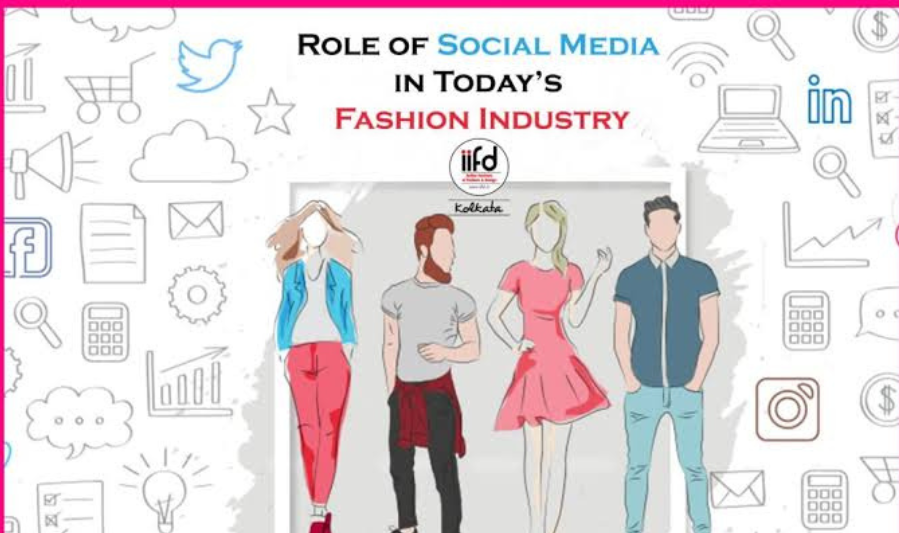
Social media has transformed how men discover and engage with fashion. Online platforms provide instant access to styling ideas, influencers, brands, and global fashion movements.
How Social Media Influences Men’s Style
- Introduces new fashion trends quickly.
- Provides daily outfit inspiration.
- Connects men with global fashion communities.
- Makes styling advice more accessible.
- Helps emerging brands reach new audiences.
The Impact of Fashion Influencers
Men’s fashion influencers often shape trends by sharing:
- Outfit combinations
- Grooming advice
- Product recommendations
- Seasonal wardrobe ideas
- Styling techniques
Social media has made fashion more interactive and personalized than ever before.
Fashion Trends vs Personal Style
Fashion trends and personal style are connected but different. Trends represent popular movements, while personal style reflects an individual’s unique preferences and identity.
Key Differences
| Fashion Trends | Personal Style |
|---|---|
| Change frequently | Develops over time |
| Followed by many people | Unique to each individual |
| Influenced by media and designers | Influenced by personality and lifestyle |
| Provide inspiration | Creates personal identity |
The most effective approach is to use trends as inspiration while maintaining a style that feels natural and authentic.
Timeless Fashion vs Temporary Trends
Some fashion choices remain stylish for decades, while others become popular for only a short period. Understanding the difference helps men build a wardrobe that is both modern and practical.
Timeless Fashion
Timeless pieces offer long-term value and remain stylish across changing trends.
Examples of Timeless Essentials
- White dress shirts
- Dark denim jeans
- Navy blazers
- Leather shoes
- Classic watches
- Neutral-colored jackets
Temporary Trends
Temporary trends often gain popularity quickly but may lose relevance after a short time.
Examples of Temporary Trends
- Viral clothing styles
- Seasonal statement pieces
- Short-lived social media aesthetics
- Extreme fashion experiments
A balanced wardrobe combines timeless essentials with carefully selected trend pieces.
What You Will Learn in This Guide
This guide will help you understand men’s fashion trends and how to use them to create a stylish, practical wardrobe.
In This Guide, You Will Learn:
- How men’s fashion trends develop and change.
- The latest styles influencing modern menswear.
- Essential wardrobe pieces every man should consider.
- How to combine trends with personal style.
- Differences between casual, smart casual, and formal fashion.
- How to build a timeless and versatile wardrobe.
- Tips for improving confidence through clothing choices.
By understanding fashion trends and personal style principles, men can create a wardrobe that reflects their personality, supports their lifestyle, and remains stylish over time.
Understanding Men’s Fashion Trends
Men’s fashion trends are shaped by a combination of creativity, culture, technology, and changing lifestyles. From classic tailoring to modern streetwear, trends influence how men dress while providing new ways to express individuality. Understanding where men’s fashion trends come from helps you make better style choices and build a wardrobe that reflects your personality.
What Defines a Men’s Fashion Trend?
A men’s fashion trend is a popular style, clothing item, color, fabric, or design that gains attention and becomes widely adopted during a specific period. Trends can emerge from fashion houses, entertainment, social movements, digital platforms, and everyday street culture.
Key Characteristics of Men’s Fashion Trends
- Introduce new approaches to clothing and styling.
- Reflect current cultural and lifestyle changes.
- Influence how brands design and market products.
- Can be temporary or remain popular for years.
- Adapt to different personal styles and preferences.
Common Examples of Men’s Fashion Trends
- Relaxed and oversized fits
- Minimalist wardrobes
- Smart casual dressing
- Sustainable clothing choices
- Vintage-inspired fashion
- Premium basics
- Functional outdoor-inspired clothing
A successful trend does not only look appealing—it also connects with how men want to live and present themselves.
Fashion Designers and Runway Shows
Fashion designers play a major role in introducing new ideas into men’s fashion. Through seasonal collections and runway shows, designers experiment with silhouettes, fabrics, colors, and styling concepts that influence future trends.
How Runway Shows Shape Men’s Fashion
Runway collections often introduce:
- New clothing proportions
- Seasonal color trends
- Innovative fabrics
- Updated tailoring styles
- New approaches to layering and styling
From Runway to Everyday Wear
Many runway concepts are later adapted by mainstream brands, making them more practical and accessible. A designer trend may eventually appear as everyday items such as jackets, trousers, sneakers, or casual shirts.
Celebrity Style Influence
Celebrities have a significant impact on men’s fashion because their outfits receive global attention. Actors, musicians, athletes, and public figures often introduce styles that quickly gain popularity.
Ways Celebrities Influence Men’s Fashion
- Popularizing specific brands and designers.
- Creating recognizable personal styles.
- Bringing attention to new clothing combinations.
- Influencing grooming and accessory trends.
- Setting examples for formal and casual dressing.
Celebrity-Inspired Fashion Trends
Examples include:
- Tailored suits with modern fits
- Luxury casual outfits
- Statement sneakers
- Vintage-inspired looks
- Minimalist everyday clothing
Celebrity style often inspires men to experiment with new looks while adapting them to their own preferences.
Social Media and Influencers
Social media has transformed how men’s fashion trends spread and develop. Digital platforms allow men to discover styling ideas, follow fashion creators, and participate in global fashion communities.
How Influencers Shape Men’s Style
Fashion influencers contribute by:
- Sharing outfit inspiration.
- Demonstrating styling techniques.
- Reviewing clothing brands and products.
- Creating seasonal wardrobe guides.
- Introducing emerging trends.
The Impact of Digital Fashion Communities
Online communities have made fashion more accessible by allowing men to learn about:
- Different style aesthetics
- Budget-friendly alternatives
- Grooming and styling advice
- Global fashion movements
Social media has accelerated the speed at which trends appear, grow, and evolve.
Streetwear Culture
Streetwear has become one of the most influential areas of modern men’s fashion. Originally connected to skateboarding, hip-hop, and urban communities, streetwear now influences luxury fashion and everyday clothing.
Characteristics of Men’s Streetwear
- Oversized silhouettes
- Graphic designs
- Comfortable fabrics
- Sneakers as statement pieces
- Layered outfits
- Casual athletic influences
Why Streetwear Became Popular
Streetwear appeals to many men because it combines:
- Comfort and functionality
- Individual expression
- Youth culture influences
- Creative styling opportunities
Today, streetwear often blends with luxury fashion, creating styles that combine casual comfort with premium design.
Lifestyle and Cultural Changes
Men’s fashion trends often develop in response to changes in how people work, travel, socialize, and live. Clothing evolves to meet new practical needs while reflecting cultural shifts.
Lifestyle Influences on Men’s Fashion
Remote Work and Flexible Environments
The growth of flexible work has increased demand for comfortable yet polished clothing, including:
- Smart casual outfits
- Knitwear
- Relaxed tailoring
- Versatile basics
Health and Active Lifestyles
Growing interest in wellness has influenced trends such as:
- Athleisure
- Performance fabrics
- Functional footwear
- Outdoor-inspired clothing
Sustainability and Conscious Fashion
Environmental awareness has encouraged interest in:
- Ethical brands
- Durable clothing
- Responsible materials
- Buying fewer but better-quality pieces
Men’s fashion continues to evolve as society changes. By understanding these influences, men can choose trends that complement their lifestyle while developing a personal style that remains confident and timeless.
How Men’s Fashion Trends Develop
Men’s fashion trends follow a process of creation, discovery, adoption, and transformation. A style may begin as a creative idea from designers or subcultures and eventually become a mainstream fashion movement. Understanding this process helps explain why certain trends become popular while others quickly disappear.
Trend Creation Process
The creation of a men’s fashion trend usually begins with inspiration from culture, history, technology, lifestyle changes, or artistic movements. Designers, brands, and creative communities transform these influences into new clothing ideas and styles.
Stages of Trend Creation
1. Inspiration and Innovation
New trends often begin when designers and fashion creators explore new ideas related to:
- Fabrics and materials
- Clothing shapes and proportions
- Cultural influences
- Historical fashion references
- Changing consumer needs
- Social movements
2. Designer and Brand Development
Fashion designers and brands develop these ideas into collections, campaigns, and product lines. They experiment with new colors, fits, and styling approaches to introduce fresh concepts.
3. Initial Exposure
A trend gains attention through:
- Fashion shows
- Editorial features
- Celebrity appearances
- Influencer content
- Street style communities
When people begin noticing and discussing a style, it has the potential to grow into a larger movement.
Early Adopters
Early adopters are the first people to embrace new fashion trends before they become widely accepted. They often include fashion enthusiasts, celebrities, influencers, designers, and creative communities.
The Role of Early Adopters
Early adopters help trends grow by:
- Experimenting with new styles.
- Creating unique outfit combinations.
- Sharing fashion inspiration.
- Introducing trends to wider audiences.
- Demonstrating how new styles can be worn.
Examples of Early Adopters in Men’s Fashion
- Musicians introducing new streetwear styles.
- Fashion influencers showcasing emerging aesthetics.
- Designers experimenting with unconventional silhouettes.
- Style communities adapting vintage or cultural influences.
These groups often act as a bridge between new fashion ideas and mainstream acceptance.
Mainstream Fashion Adoption
A men’s fashion trend becomes mainstream when it moves beyond small fashion communities and becomes accepted by a wider audience. At this stage, brands begin producing accessible versions, and everyday consumers start incorporating the trend into their wardrobes.
How Trends Become Mainstream
- Fashion retailers create affordable versions.
- Social media increases visibility.
- Celebrities and public figures popularize the style.
- Consumers adapt the trend to their lifestyles.
- Brands include the trend in seasonal collections.
Examples of Mainstream Men’s Trends
- Sneakers becoming acceptable with smart casual outfits.
- Relaxed tailoring replacing extremely formal fits.
- Streetwear influences appearing in luxury collections.
- Minimalist clothing becoming an everyday style choice.
Mainstream adoption often determines whether a trend becomes a lasting fashion movement or fades quickly.
Trend Evolution and Revival
Fashion trends rarely disappear completely. Many styles evolve, return, or receive modern updates as designers and consumers reinterpret older ideas.
Why Men’s Fashion Trends Evolve
Trends change because of:
- New lifestyle preferences
- Cultural shifts
- Advances in fabric technology
- Changing ideas of comfort and style
- Influence from previous fashion eras
Why Trends Come Back
Fashion often works in cycles. Older styles return because of nostalgia, renewed interest in history, or a desire to reinterpret classic designs.
Examples of Trend Revival
- Vintage denim styles
- Retro sneakers
- Classic tailoring
- Military-inspired clothing
- Previous decade fashion influences
Modernizing Old Trends
When older trends return, they are usually updated through:
- Improved fabrics
- Modern fits
- New color combinations
- Contemporary styling techniques
The development of men’s fashion trends is a continuous cycle of creativity, adoption, change, and revival. By understanding this process, men can recognize emerging styles while building wardrobes that combine current trends with timeless fashion choices.
Types of Men’s Fashion Styles
Men’s fashion includes a wide range of styles that reflect different personalities, lifestyles, and occasions. From timeless classic looks to modern streetwear and minimalist aesthetics, each style offers unique ways to express individuality. Understanding different men’s fashion styles makes it easier to build a wardrobe that is practical, versatile, and aligned with personal preferences.
Classic Men’s Style
Classic men’s style focuses on timeless clothing pieces, traditional tailoring, and elegant simplicity. It prioritizes quality, proper fit, and designs that remain stylish for many years.
Characteristics of Classic Men’s Style
- Clean and structured silhouettes
- Neutral color combinations
- High-quality wardrobe essentials
- Traditional patterns and fabrics
- Minimal branding
Classic Wardrobe Essentials
- Navy blazer
- White dress shirt
- Tailored trousers
- Dark denim jeans
- Leather shoes
- Classic watch
- Wool coat
Classic style is ideal for men who prefer a polished appearance that never goes out of fashion.
Casual Men’s Style
Casual men’s style emphasizes comfort, practicality, and effortless dressing. It is designed for everyday activities while maintaining a neat and stylish appearance.
Characteristics of Casual Style
- Comfortable clothing
- Relaxed fits
- Simple color combinations
- Everyday footwear
- Functional pieces
Casual Wardrobe Essentials
- T-shirts
- Jeans
- Casual shirts
- Hoodies
- Sneakers
- Denim jackets
- Chinos
Casual style allows men to look comfortable and confident without appearing overly dressed.
Smart Casual Style
Smart casual combines relaxed clothing with more refined pieces to create a balanced and sophisticated appearance. It is one of the most versatile men’s fashion styles.
Characteristics of Smart Casual Style
- Combination of casual and formal elements
- Well-fitted clothing
- Clean footwear
- Simple accessories
- Modern layering
Smart Casual Essentials
- Chinos
- Polo shirts
- Button-down shirts
- Blazers
- Loafers
- Dark jeans
- Knit sweaters
Smart casual works well for dinners, modern workplaces, social events, and business-casual environments.
Business Casual Style
Business casual is designed for professional settings that require a polished appearance without the strict formality of traditional business attire.
Characteristics of Business Casual Style
- Professional appearance
- Structured clothing
- Conservative colors
- Refined accessories
- Comfortable tailoring
Business Casual Essentials
- Dress trousers
- Collared shirts
- Blazers
- Leather shoes
- Sweaters
- Chinos
Business casual allows men to maintain professionalism while enjoying greater comfort and flexibility.
Formal Men’s Style
Formal men’s style focuses on elegance, sophistication, and traditional dress standards. It is typically worn for important events and professional occasions.
Characteristics of Formal Style
- Tailored garments
- Premium fabrics
- Sophisticated accessories
- Classic color palettes
- Attention to detail
Formal Wardrobe Essentials
- Business suits
- Tuxedos
- Dress shirts
- Formal leather shoes
- Ties and pocket squares
- Cufflinks
Formal style creates a refined and confident appearance for weddings, ceremonies, and high-level professional events.
Streetwear Style
Streetwear style combines urban culture, comfort, and self-expression. Influenced by music, sports, and youth movements, it has become a major part of modern men’s fashion.
Characteristics of Streetwear Style
- Oversized silhouettes
- Graphic designs
- Casual layering
- Statement sneakers
- Sport-inspired clothing
Streetwear Essentials
- Hoodies
- Graphic T-shirts
- Cargo pants
- Sneakers
- Baseball caps
- Oversized jackets
Streetwear allows men to experiment with bold designs and express individuality.
Minimalist Style
Minimalist men’s style focuses on simplicity, functionality, and timeless wardrobe choices. It avoids unnecessary details and emphasizes quality over quantity.
Characteristics of Minimalist Style
- Neutral colors
- Clean designs
- Simple silhouettes
- Versatile clothing
- Minimal accessories
Minimalist Wardrobe Essentials
- Plain T-shirts
- Neutral trousers
- Simple jackets
- White sneakers
- Quality knitwear
- Basic shirts
Minimalist style creates an elegant and organized wardrobe that is easy to maintain.
Luxury Style
Luxury men’s style emphasizes premium materials, craftsmanship, exclusivity, and sophisticated design. It focuses on quality rather than excessive branding.
Characteristics of Luxury Style
- High-quality fabrics
- Exceptional tailoring
- Refined details
- Premium accessories
- Timeless designs
Luxury Wardrobe Essentials
- Tailored suits
- Cashmere sweaters
- Designer shoes
- Premium leather goods
- Quality watches
- Luxury outerwear
Luxury style represents attention to detail and long-term investment in clothing.
Vintage Style
Vintage men’s style draws inspiration from past fashion eras and incorporates classic designs with modern styling. It celebrates historical influences and unique wardrobe pieces.
Characteristics of Vintage Style
- Retro-inspired designs
- Classic patterns
- Traditional fabrics
- Unique accessories
- Nostalgic influences
Vintage Style Essentials
- Denim jackets
- Leather jackets
- Retro shirts
- Classic boots
- Vintage watches
- Old-school tailoring
Vintage style allows men to create distinctive outfits while connecting modern fashion with historical influences.
Understanding different men’s fashion styles helps you experiment with new looks, identify your preferences, and create a wardrobe that suits your lifestyle. The most effective personal style often combines elements from multiple categories to create a unique and confident appearance.
Quiet Luxury Men’s Style
Quiet luxury men’s style has become one of the most influential fashion movements in modern menswear. It focuses on timeless elegance, exceptional quality, and understated sophistication rather than flashy designs or visible logos. The goal is to create a refined appearance through well-made clothing, thoughtful styling, and attention to detail.
Understanding Quiet Luxury
Quiet luxury is a fashion approach that emphasizes subtle elegance and long-term value. Instead of showcasing wealth through obvious branding, this style communicates sophistication through craftsmanship, fit, and premium materials.
Key Principles of Quiet Luxury Men’s Style
- Focus on quality rather than quantity.
- Choose timeless designs over short-lived trends.
- Prioritize excellent fit and tailoring.
- Invest in versatile wardrobe pieces.
- Keep styling simple and refined.
Quiet luxury is not about wearing the most expensive clothing—it is about selecting pieces that look polished, feel comfortable, and remain stylish for years.
Premium Basics
Premium basics are the foundation of a quiet luxury wardrobe. These everyday essentials are elevated through better materials, superior construction, and timeless designs.
Essential Premium Basics for Men
- High-quality white and neutral T-shirts
- Fine knit sweaters
- Well-fitted Oxford shirts
- Premium denim
- Tailored chinos
- Classic polo shirts
- Quality outerwear
Why Premium Basics Matter
Premium basics offer:
- Better comfort and durability
- More polished appearance
- Greater styling flexibility
- Long-term wardrobe value
A simple outfit built from high-quality basics often appears more sophisticated than one filled with unnecessary trends.
Neutral Color Palettes
Neutral colors are a defining feature of quiet luxury men’s style. They create a calm, elegant appearance and make it easier to combine different wardrobe pieces.
Popular Quiet Luxury Colors
- Navy
- Black
- White
- Gray
- Beige
- Cream
- Brown
- Olive
Benefits of Neutral Colors
- Easy outfit coordination
- Timeless appeal
- Suitable for different occasions
- Creates a refined appearance
- Allows quality and texture to stand out
Men can create a sophisticated wardrobe by combining different shades of neutral colors with subtle variations in texture and fabric.
Quality Fabrics
Fabric quality plays a major role in quiet luxury fashion. The feel, structure, and durability of a garment often determine its overall appearance.
Common Fabrics in Quiet Luxury Style
- Cashmere
- Merino wool
- Linen
- Fine cotton
- Silk blends
- High-quality leather
Benefits of Quality Fabrics
- Improved comfort
- Better durability
- More elegant appearance
- Enhanced fit and structure
- Longer garment lifespan
Choosing well-made fabrics allows simple clothing designs to appear more refined and luxurious.
You may also like to read these posts:
Office Wear for Men: The Complete Style Guide
Men’s Style Guide: Everything You Need to Dress Better
Men’s Seasonal Wardrobe Guide: Essential Outfits for Every Season
Minimal Branding
Minimal branding is one of the most recognizable elements of quiet luxury. Instead of large logos or attention-grabbing designs, the focus is placed on craftsmanship and personal style.
Characteristics of Minimal Branding
- Small or no visible logos
- Classic designs
- Subtle details
- Focus on construction and materials
- Timeless aesthetics
How to Achieve a Minimal Branding Look
- Choose classic pieces without excessive graphics.
- Focus on fit and fabric quality.
- Select accessories with simple designs.
- Let the overall outfit create the impression.
Quiet luxury men’s style represents a shift toward thoughtful fashion choices. By focusing on premium basics, neutral colors, quality fabrics, and minimal branding, men can create a wardrobe that feels sophisticated, versatile, and timeless.
Faqs:
What Are the Latest Men’s Fashion Trends?
The latest men’s fashion trends include quiet luxury, minimalist style, relaxed fits, sustainable fashion, vintage-inspired clothing, modern streetwear, and versatile wardrobe essentials. These trends focus on comfort, quality, and creating a stylish personal image.
How Can Men Improve Their Personal Style?
Men can improve their style by wearing properly fitted clothes, investing in quality basics, choosing colors that work well together, maintaining good grooming habits, and understanding what styles match their personality and lifestyle.
What Clothing Items Should Every Man Own?
Every man should have essential wardrobe pieces such as a white shirt, Oxford shirt, plain T-shirts, dark jeans, chinos, tailored trousers, a blazer, versatile shoes, and a quality jacket. These items can be combined to create many stylish outfits.
Should Men Follow Every Fashion Trend?
No, men do not need to follow every fashion trend. The best approach is to choose trends that match personal style, body type, and lifestyle while keeping timeless wardrobe essentials as the foundation.
What Men’s Fashion Styles Never Go Out of Fashion?
Timeless men’s fashion styles include classic suits, white shirts, dark denim, leather shoes, neutral colors, tailored jackets, and simple accessories. These pieces remain stylish because they are versatile and can be adapted to different occasions.
Conclusion
Men’s fashion trends continue to evolve, but great style is built on more than simply following what is popular. The foundation of a stylish wardrobe comes from understanding personal preferences, choosing quality pieces, and creating outfits that match your lifestyle. By combining modern trends with timeless essentials, every man can develop a confident and refined appearance.