
Introduction
Fashion is more than just the clothes we wear—it is a reflection of culture, personality, creativity, and changing lifestyles. Every year, new fashion trends influence the way people dress, shop, and express themselves. Understanding these trends helps individuals make better style choices while staying connected to the evolving world of fashion.
What Are the Latest Fashion Trends?
The latest fashion trends are the popular styles, designs, colors, fabrics, and clothing choices that influence the fashion industry during a specific period. These trends often emerge from designers, celebrities, social media, street style, cultural movements, and changing consumer preferences.
Examples of Modern Fashion Trends
- Minimalist and timeless clothing
- Oversized and relaxed silhouettes
- Sustainable and eco-friendly materials
- Vintage-inspired styles
- Bold colors and statement pieces
- Gender-neutral fashion
- Comfortable everyday wear
Fashion trends constantly evolve, but many successful trends return in new forms by combining classic elements with modern influences.
Why Fashion Trends Are Important in Modern Life
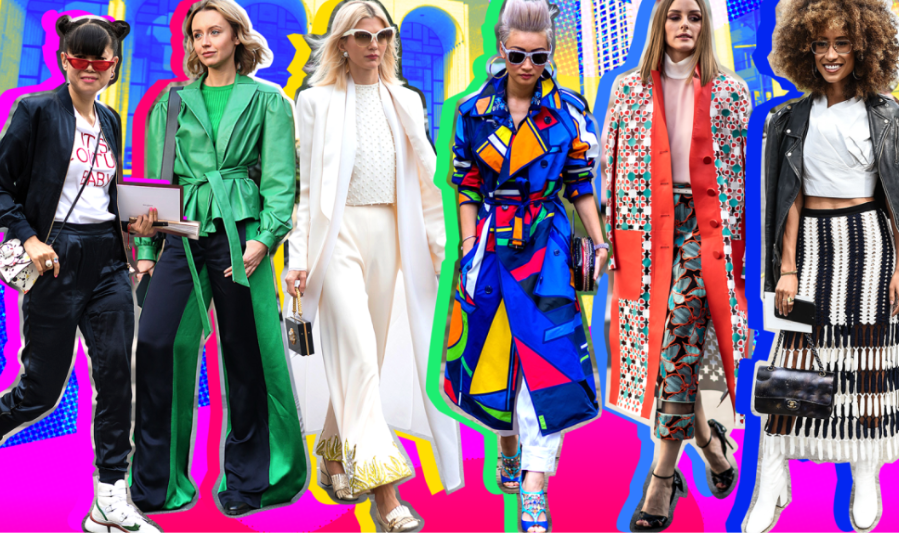
Fashion trends play an important role in how people present themselves and interact with the world. They influence personal choices, workplace appearance, social connections, and cultural expression.
Benefits of Following Fashion Trends
- Helps you stay updated with changing styles.
- Provides inspiration for creating new outfits.
- Improves confidence through better styling choices.
- Helps you understand cultural and social influences.
- Allows you to experiment with personal appearance.
Following trends does not mean copying every popular style. Instead, trends can serve as inspiration for developing a wardrobe that matches your personality and lifestyle.
How Fashion Trends Shape Personal Identity
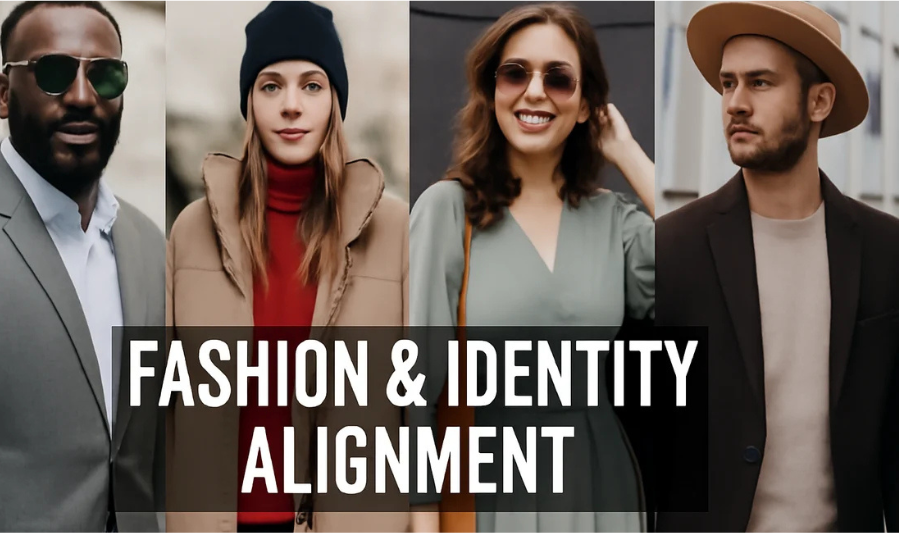
Clothing is one of the most visible ways people communicate who they are. Fashion trends provide new ideas, but individuals use them differently based on their values, preferences, and experiences.
Fashion as a Form of Self-Expression
People use fashion to express:
- Personality and creativity
- Cultural background
- Professional image
- Lifestyle choices
- Mood and confidence
A person’s style often combines current trends with personal preferences, creating a unique identity.
The Role of Fashion in Confidence and Self-Expression
The right clothing can influence how people feel about themselves and how they are perceived by others. Wearing outfits that match your personality and make you feel comfortable can increase confidence and encourage self-expression.
How Fashion Builds Confidence
- Well-chosen clothing improves self-image.
- Personal style creates a sense of individuality.
- Comfortable outfits allow natural confidence.
- Thoughtful styling helps people feel prepared for different situations.
Fashion is not only about appearance—it is also about feeling authentic and comfortable in your own choices.
Fashion Trends vs Personal Style
Fashion trends and personal style are closely connected but not the same. Trends represent popular movements in fashion, while personal style reflects individual preferences and identity.
Key Differences
| Fashion Trends | Personal Style |
|---|---|
| Change frequently | Develops over time |
| Influenced by designers and culture | Influenced by personality and lifestyle |
| Followed by many people | Unique to each individual |
| Provides inspiration | Creates personal identity |
The best approach is to use trends as inspiration while building a style that feels natural and authentic.
Fast Fashion vs Sustainable Fashion
The fashion industry has changed significantly with the rise of fast fashion and sustainable alternatives. These two approaches represent different ways of producing and consuming clothing.
Fast Fashion
Fast fashion focuses on producing affordable clothing quickly to match current trends. While it offers accessibility and variety, it can create concerns related to waste, environmental impact, and clothing quality.
Sustainable Fashion
Sustainable fashion focuses on responsible production, ethical practices, durable materials, and reducing environmental impact. It encourages consumers to buy fewer, better-quality pieces and make thoughtful fashion choices.
Choosing the Right Approach
Many modern consumers combine both approaches by investing in quality essentials, reusing clothing, shopping consciously, and selecting pieces that offer long-term value.
What You Will Learn in This Guide
This guide will help you understand the world of modern fashion trends and how to apply them effectively.
In This Guide, You Will Learn:
- The latest fashion trends and why they matter.
- How trends influence personal style and identity.
- Ways to incorporate trends into your wardrobe.
- The difference between trendy fashion and timeless style.
- How to make smarter and more sustainable fashion choices.
- Tips for building confidence through clothing and self-expression.
Understanding Fashion Trends
Fashion trends are constantly changing influences that shape the way people dress, shop, and express themselves. They reflect cultural shifts, technological changes, social movements, and evolving lifestyles. Understanding how trends are created helps you make informed style choices and recognize which trends align with your personal identity.
What Creates a Fashion Trend?
A fashion trend usually develops when a particular style, design, color, or clothing choice gains popularity among a large group of people. Trends can begin in many different places, including fashion houses, entertainment, social communities, and everyday street culture.
Key Factors That Influence Fashion Trends
- Cultural and social changes
- Designer creativity
- Celebrity appearances
- Social media engagement
- Consumer preferences
- Economic and lifestyle shifts
- Technological innovations in fashion
A trend often grows when people find a style visually appealing, practical, meaningful, or connected to a larger cultural movement.
Designer Collections and Fashion Weeks
Fashion designers play a major role in introducing new trends to the world. Through seasonal collections, designers present new ideas in clothing, colors, fabrics, and silhouettes that influence the direction of the fashion industry.
How Fashion Weeks Influence Trends
Fashion weeks held in major cities showcase upcoming styles from leading designers and brands. These events help introduce:
- New seasonal color palettes
- Innovative clothing designs
- Emerging fashion concepts
- New approaches to styling
From Runway to Everyday Fashion
Many runway trends are later adapted for everyday consumers. Fashion brands and retailers often simplify high-fashion concepts, making them more practical and accessible for daily wear.
Celebrity Influence
Celebrities have a powerful impact on fashion trends because their clothing choices receive worldwide attention. Actors, musicians, athletes, and public figures often introduce new styles that quickly gain popularity.
How Celebrities Shape Fashion
- Wearing specific brands or designers
- Creating signature personal styles
- Popularizing certain hairstyles or accessories
- Influencing red carpet and everyday fashion choices
Celebrity-inspired trends often spread through magazines, online platforms, and fan communities.
Social Media and Influencer Culture
Social media has transformed how fashion trends are discovered and shared. Platforms that focus on visual content allow trends to spread faster than ever before.
The Role of Fashion Influencers
Influencers help shape fashion by:
- Sharing outfit ideas and styling tips
- Reviewing new products and brands
- Creating viral fashion challenges
- Introducing niche fashion movements
How Social Media Changes Fashion
Unlike traditional fashion cycles, social media allows trends to emerge instantly. A single outfit, video, or styling idea can reach millions of people and influence buying decisions within a short time.
Street Style Movements
Street style represents fashion created by everyday people rather than only designers or celebrities. It reflects individuality, creativity, and cultural influences from different communities.
Why Street Style Matters
Street fashion often introduces trends that later influence major brands and designers. Popular street style movements include:
- Minimalist fashion
- Vintage-inspired clothing
- Athleisure
- Oversized silhouettes
- Gender-neutral styles
- Urban and cultural fashion influences
Street style proves that fashion trends can come from ordinary people expressing their unique identities.
Changing Lifestyle Preferences
Fashion trends often develop in response to changes in how people live, work, and spend their time. As lifestyles evolve, clothing needs and preferences change as well.
Examples of Lifestyle-Driven Trends
Remote Work and Comfort
The rise of flexible work has increased demand for comfortable yet presentable clothing, such as smart casual outfits, relaxed tailoring, and versatile basics.
Sustainability Awareness
Growing environmental awareness has encouraged interest in sustainable materials, ethical brands, and longer-lasting clothing.
Active Lifestyles
Busy lifestyles have increased the popularity of functional fashion, including comfortable footwear, performance fabrics, and adaptable everyday clothing.
Understanding these influences helps explain why certain fashion trends become popular and how they connect with broader changes in society.
How Fashion Trends Develop
Fashion trends do not appear overnight. They follow a gradual process that begins with creative ideas and eventually spreads through designers, influencers, consumers, and popular culture. Understanding how trends develop helps explain why certain styles become widely accepted while others disappear quickly.
Trend Creation Process
The creation of a fashion trend often starts with inspiration from culture, history, technology, art, lifestyle changes, or social movements. Designers, brands, and creative individuals transform these influences into new clothing concepts and styles.
Stages of Trend Creation
1. Inspiration and Innovation
Fashion designers and creative communities explore new ideas, materials, colors, and silhouettes. They may draw inspiration from:
- Historical fashion periods
- Cultural traditions
- Music and entertainment
- Social changes
- Technology and innovation
- Everyday lifestyles
2. Designer Introduction
New styles are introduced through fashion collections, brand campaigns, and creative presentations. Designers experiment with unique concepts that may later influence wider fashion choices.
3. Public Attention
When a style attracts attention from media, celebrities, influencers, or fashion communities, it begins gaining recognition and has the potential to become a trend.
Early Adopters and Fashion Influencers
Early adopters are the first people to embrace new fashion styles before they become widely popular. They often include designers, celebrities, influencers, fashion enthusiasts, and creative communities.
The Role of Early Adopters
Early adopters help introduce new trends by:
- Experimenting with unique styles
- Sharing fashion ideas publicly
- Creating new ways to combine clothing pieces
- Influencing their social communities
How Influencers Accelerate Trends
Fashion influencers and online creators can quickly increase a trend’s visibility through:
- Social media posts
- Styling videos
- Product recommendations
- Fashion collaborations
- Digital communities
Their ability to reach large audiences has made them a major force in modern fashion cycles.
Mainstream Fashion Adoption
A fashion trend becomes mainstream when it moves beyond niche groups and is adopted by a larger audience. At this stage, brands, retailers, and consumers begin incorporating the trend into everyday wardrobes.
How Trends Enter the Mainstream
- Major fashion brands create accessible versions.
- Retail stores produce trend-inspired collections.
- Celebrities and public figures increase visibility.
- Consumers adapt the trend to their personal style.
Examples of Mainstream Trend Adoption
A style may begin as a runway concept or street style movement and later appear in:
- Everyday clothing collections
- Workplace fashion
- Seasonal shopping trends
- Popular lifestyle magazines
- Social media fashion content
Trend Decline and Revival
Fashion trends naturally change over time. As new styles emerge, older trends may lose popularity. However, many fashion trends return years later with updated designs and modern interpretations.
Why Fashion Trends Decline
A trend may decline because:
- Consumers become tired of seeing the same style.
- New trends replace older ones.
- Cultural preferences change.
- The style becomes too common.
Why Trends Come Back
Fashion often follows cycles, with past styles returning through nostalgia and reinterpretation. Designers frequently revive older trends by updating them with modern fabrics, fits, and styling techniques.
Examples of Trend Revival
- Vintage-inspired clothing
- Retro color palettes
- Classic denim styles
- Previous decade fashion influences
Understanding the life cycle of fashion trends shows that style is constantly evolving. A trend may begin as a creative idea, gain worldwide popularity, fade away, and eventually return in a new and refreshed form.
Types of Fashion Trends
Fashion trends come in different forms, depending on how quickly they appear, how long they remain popular, and how widely they influence personal style. Some trends last only for a short period, while others become lasting parts of fashion culture. Understanding different types of trends helps you identify which styles are worth adopting and which are temporary.
Seasonal Trends
Seasonal trends are fashion styles that become popular during a specific time of the year. They are often influenced by weather changes, designer collections, color preferences, and seasonal lifestyle needs.
Characteristics of Seasonal Trends
- Usually change every few months.
- Reflect current weather and seasonal activities.
- Introduce new colors, fabrics, and patterns.
- Often appear in spring, summer, fall, and winter collections.
Examples of Seasonal Trends
- Lightweight linen clothing during summer.
- Layered coats and knitwear during winter.
- Floral prints in spring collections.
- Earth tones and textured fabrics during autumn.
Seasonal trends are a great way to refresh your wardrobe while keeping timeless basics as the foundation.
Micro Trends
Micro trends are short-lived fashion movements that gain popularity quickly but often disappear within a short period. They are commonly driven by social media, online communities, and viral content.
Characteristics of Micro Trends
- Spread rapidly through digital platforms.
- Often influenced by influencers and celebrities.
- Focus on specific clothing items, aesthetics, or styling ideas.
- May last only a few weeks or months.
Examples of Micro Trends
- A viral clothing style on social media.
- A popular accessory or color combination.
- A specific aesthetic adopted by online communities.
While micro trends can be fun to experiment with, they may not always provide long-term value for your wardrobe.
Long-Term Trends
Long-term trends are fashion movements that remain popular for several years. They often reflect major changes in society, technology, culture, or lifestyle preferences.
Characteristics of Long-Term Trends
- Maintain popularity over extended periods.
- Influence multiple areas of fashion.
- Adapt and evolve rather than disappear quickly.
- Become part of everyday dressing habits.
Examples of Long-Term Trends
- Sustainable fashion choices.
- Comfortable and versatile clothing.
- Minimalist wardrobes.
- Casual styles becoming acceptable in professional settings.
- Gender-neutral fashion.
Long-term trends are often safer investments because they continue to influence fashion beyond a single season.
Classic Fashion Movements
Classic fashion movements are styles that remain relevant for decades and often become timeless parts of fashion history. Unlike temporary trends, these movements continue to inspire designers and consumers across generations.
Characteristics of Classic Fashion Movements
- Recognized for timeless appeal.
- Based on quality, simplicity, and functionality.
- Easily adapted to modern styles.
- Remain stylish despite changing trends.
Examples of Classic Fashion Movements
Minimalist Fashion
Focuses on clean designs, neutral colors, and simple silhouettes that create an elegant and versatile wardrobe.
Denim Culture
Denim has remained a fashion staple for generations because of its durability, comfort, and adaptability.
Tailored Fashion
Classic suits, structured jackets, and refined clothing continue to represent sophistication and professionalism.
Vintage-Inspired Fashion
Past styles are frequently revisited and updated with modern details, keeping historical fashion influences alive.
Understanding the different types of fashion trends allows you to make smarter style choices. Combining seasonal and micro trends with long-term trends and classic pieces helps create a wardrobe that feels current while remaining timeless.
Biggest Latest Fashion Trends
Fashion trends continue to evolve as people look for clothing that reflects their lifestyles, values, and personal preferences. One of the biggest movements in modern fashion is the shift toward simplicity, versatility, and mindful consumption. Minimalist fashion has become especially popular because it focuses on timeless designs, practical wardrobes, and effortless style.
Minimalist Fashion Trend
Minimalist fashion is a style movement centered around simplicity, functionality, and timeless appeal. Instead of following every short-lived trend, minimalist fashion focuses on carefully selected pieces that can be worn in multiple ways.
Key Features of Minimalist Fashion
- Clean and uncomplicated designs
- Neutral and versatile colors
- High-quality materials
- Functional wardrobe pieces
- Focus on fit and comfort
Minimalist fashion encourages people to create a wardrobe that feels organized, practical, and personal rather than constantly changing with every new trend.
Clean and Simple Designs
Clean designs are a major part of the minimalist fashion movement. These styles avoid excessive patterns, decorations, and unnecessary details, creating a polished and sophisticated appearance.
Characteristics of Clean Fashion Designs
- Simple silhouettes
- Classic cuts
- Minimal branding
- Balanced proportions
- Timeless shapes
Examples include a well-fitted white shirt, a structured blazer, straight-leg trousers, or a simple knit sweater. These pieces can be styled in many different ways and remain fashionable for years.
Neutral Color Palettes
Neutral colors are a defining element of minimalist fashion. They create a refined look while making it easier to combine different pieces within a wardrobe.
Popular Minimalist Colors
- White
- Black
- Gray
- Beige
- Navy
- Brown
- Cream
- Olive
Benefits of Neutral Colors
- Easy outfit coordination
- Timeless appearance
- Greater wardrobe flexibility
- Reduced need for excessive clothing purchases
Neutral palettes allow individuals to create more outfits with fewer pieces while maintaining a stylish and cohesive look.
Capsule Wardrobe Approach
The capsule wardrobe approach focuses on building a small collection of essential clothing items that can be mixed and matched easily. It emphasizes versatility and intentional purchasing rather than owning large amounts of clothing.
Essential Capsule Wardrobe Pieces
A minimalist capsule wardrobe may include:
- A classic white shirt
- Well-fitted jeans
- Neutral trousers
- A versatile jacket
- Comfortable sneakers
- Quality leather shoes
- Basic knitwear
- Simple accessories
Benefits of a Capsule Wardrobe
- Saves time when choosing outfits
- Reduces unnecessary spending
- Creates a more organized closet
- Encourages thoughtful fashion choices
You may also like to read these posts:
Office Wear for Men: The Complete Style Guide
Men’s Style Guide: Everything You Need to Dress Better
Men’s Seasonal Wardrobe Guide: Essential Outfits for Every Season
Quality Over Quantity
One of the strongest ideas behind modern minimalist fashion is choosing quality over quantity. Instead of buying many inexpensive items, consumers are increasingly investing in durable pieces that provide better value over time.
Why Quality Matters
High-quality clothing often offers:
- Better fabric and comfort
- Longer durability
- Improved fit
- More timeless appeal
- Reduced clothing waste
Building a Quality-Focused Wardrobe
To follow this approach:
- Choose durable fabrics.
- Invest in versatile essentials.
- Avoid buying items only because they are trending.
- Prioritize pieces that match your lifestyle.
- Maintain clothing properly to extend its lifespan.
The minimalist fashion trend represents a shift toward smarter and more intentional style choices. By focusing on simple designs, neutral colors, versatile pieces, and quality clothing, anyone can create a wardrobe that feels modern, practical, and timeless.
Faqs:
What Are the Latest Fashion Trends?
The latest fashion trends include minimalist clothing, sustainable fashion, oversized fits, quiet luxury, vintage-inspired styles, modern streetwear, and versatile wardrobe essentials. These trends focus on comfort, individuality, and creating stylish outfits that suit modern lifestyles.
How Do I Find Fashion Trends That Suit Me?
To find fashion trends that suit you, consider your personal style, lifestyle, body type, and comfort preferences. Choose trends that complement your existing wardrobe instead of following every trend without considering whether it fits your personality.
Should I Follow Every New Fashion Trend?
No, you do not need to follow every new fashion trend. The best approach is to select trends that match your style and combine them with timeless wardrobe pieces. This helps you create a modern look while maintaining a personal and authentic style.
How Can I Make My Outfits Look More Stylish?
You can make your outfits more stylish by focusing on proper fit, coordinating colors, investing in quality basics, adding suitable accessories, and mixing classic pieces with modern trends. Small details like clean shoes and good grooming also improve your overall appearance.
Are Fashion Trends Worth Following?
Fashion trends can be worth following when they help you express your personality and improve your style. Instead of completely changing your wardrobe every season, choose a few trend-inspired pieces that add freshness while keeping your overall style timeless.
Conclusion
Fashion trends are constantly evolving, but great style is about more than simply following what is popular. The key to dressing well is understanding which trends complement your personality, lifestyle, and wardrobe. By combining modern fashion trends with timeless clothing essentials, you can create outfits that are both stylish and practical for any occasion.