
Introduction
Buying clothes is a regular part of life, but making the right clothing choices requires more thought than simply selecting items that look attractive. Clothing affects comfort, confidence, personal expression, and the way people present themselves in different situations.
With countless styles, brands, fabrics, and trends available, smart clothing decisions help you create a wardrobe that matches your lifestyle, personality, and long-term needs.
Why Buying Clothes Is More Than Just Shopping
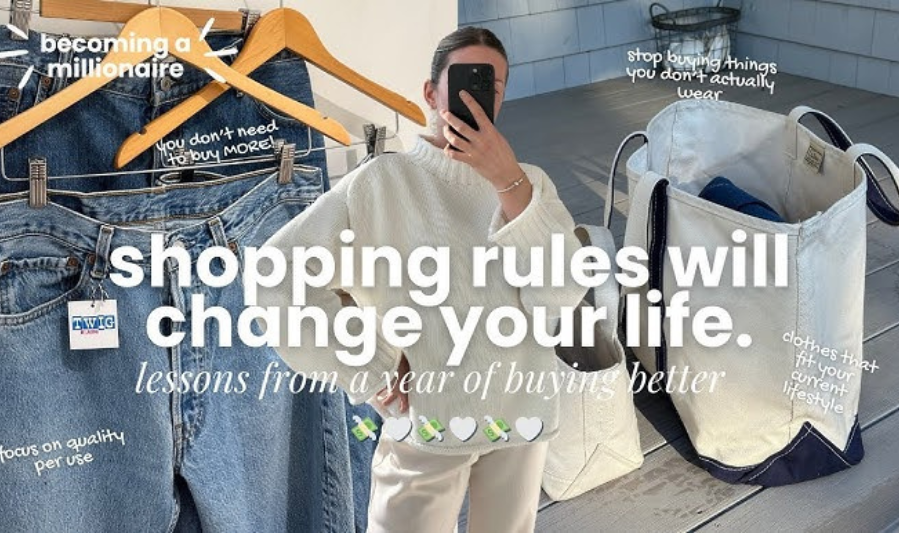
Buying clothes is not only about adding new items to your collection. It involves understanding your needs, choosing suitable styles, and selecting pieces that provide value over time.
Clothing Purchases Involve
- Understanding your personal style
- Considering comfort and fit
- Choosing suitable fabrics
- Matching clothing with your lifestyle
- Making decisions based on quality and usefulness
A thoughtful approach to buying clothes helps you avoid unnecessary purchases and creates a wardrobe that works better for your daily life.
The Importance of Making Smart Clothing Choices
Smart clothing choices help you spend your money wisely and build a more functional wardrobe. Instead of purchasing items based only on trends or impulse, informed decisions focus on practicality, quality, and personal preference.
Benefits of Smart Clothing Choices
- Saves money over time
- Reduces wardrobe clutter
- Improves outfit options
- Increases clothing satisfaction
- Encourages better quality purchases
Choosing the right clothes means considering how often you will wear them, how they fit into your existing wardrobe, and whether they meet your needs.
How the Right Clothes Improve Confidence and Appearance
The right clothing can influence how you feel and how others perceive you. Well-chosen outfits can improve confidence by providing comfort, style, and a sense of personal identity.
Ways Clothing Improves Confidence
- Creates a positive impression
- Helps you feel prepared for different occasions
- Reflects your personality
- Improves comfort and self-assurance
- Enhances overall presentation
Factors That Improve Appearance
- Proper fit
- Suitable colors
- Quality materials
- Balanced outfit combinations
- Appropriate styling
When clothing matches your body, lifestyle, and personality, it becomes a powerful form of self-expression.
The Difference Between Buying Clothes and Building a Wardrobe
Buying clothes focuses on individual purchases, while building a wardrobe involves creating a collection of pieces that work together.
Buying Clothes
- Focuses on single items
- Often influenced by trends
- May lead to impulse purchases
- Does not always consider existing clothing
Building a Wardrobe
- Focuses on versatility
- Includes essential pieces
- Prioritizes quality and fit
- Creates multiple outfit combinations
A strong wardrobe is not defined by the number of clothes you own but by how effectively those pieces support your lifestyle.
Common Mistakes People Make When Buying Clothes
Many shoppers make clothing decisions without proper planning, which can lead to wasted money and an ineffective wardrobe.
Common Clothing Shopping Mistakes
- Buying clothes without considering fit
- Following every trend
- Choosing quantity over quality
- Ignoring fabric and construction
- Purchasing items that do not match existing clothing
- Shopping without a budget
- Buying without considering lifestyle needs
Avoiding these mistakes helps you make more confident and valuable clothing purchases.
What You Will Learn in This Complete Guide
This complete guide will help you understand how to make better clothing decisions and develop smarter shopping habits.
In This Guide, You Will Learn
- How to identify your clothing needs
- How to choose the right styles and fits
- How to evaluate clothing quality
- How to select fabrics and materials
- How to plan your clothing purchases
- How to avoid common shopping mistakes
- How to build a practical and stylish wardrobe
- How to make confident clothing choices
By the end of this guide, you will have the knowledge needed to buy clothes more effectively, create a wardrobe that suits your lifestyle, and make purchases that provide long-term value.
Identify Your Purpose for Buying Clothes
Before buying new clothes, it is important to understand the purpose behind each purchase. Clothing should support your lifestyle, activities, and personal needs rather than simply add more items to your wardrobe.
Identifying why you need new clothes helps you choose the right styles, fabrics, and designs while avoiding unnecessary purchases.
Daily Wear Clothing
Daily wear clothing includes the items you use regularly for everyday activities. These pieces should focus on comfort, durability, and versatility.
Common Daily Wear Items
- T-shirts
- Casual shirts
- Jeans
- Comfortable trousers
- Hoodies
- Sneakers
- Everyday jackets
What to Consider
- Comfort for long hours
- Easy maintenance
- Breathable fabrics
- Flexible styling options
- Personal comfort preferences
Daily wear clothing should be practical and easy to combine with other wardrobe pieces.
Professional and Office Clothing
Professional clothing is designed for workplace environments and situations that require a polished appearance. The right office wardrobe helps create confidence and a professional image.
Common Professional Clothing Items
- Formal shirts
- Blazers
- Dress trousers
- Office dresses
- Formal shoes
- Professional accessories
What to Consider
- Workplace dress code
- Level of formality required
- Comfort during working hours
- Quality and durability
- Fit and appearance
A well-planned professional wardrobe does not require many items; a few high-quality pieces can create multiple work outfits.
Casual Weekend Clothing
Weekend clothing usually focuses on relaxation, comfort, and personal expression. These outfits should allow freedom of movement while maintaining a stylish appearance.
Common Weekend Clothing Items
- Casual T-shirts
- Relaxed jeans
- Sweatshirts
- Joggers
- Casual sneakers
- Lightweight jackets
What to Consider
- Personal style preferences
- Comfort needs
- Outdoor or indoor activities
- Weather conditions
- Easy outfit combinations
Casual weekend clothing should help you feel comfortable while reflecting your everyday personality.
Party and Event Clothing
Party and event clothing is designed for special occasions where appearance and style are more important. These purchases should match the event type, location, and expected dress code.
Examples of Event Clothing
- Formal dresses
- Suits
- Elegant shirts
- Statement outfits
- Stylish footwear
- Accessories
What to Consider
- Event formality
- Venue and timing
- Seasonal weather
- Comfort level
- Ability to reuse the item
Choosing versatile event clothing allows you to create stylish looks without buying rarely used pieces.
Seasonal Clothing Needs
Seasonal clothing is selected according to weather changes and climate requirements. The right seasonal pieces improve comfort and protect you from changing conditions.
Summer Clothing Needs
- Lightweight shirts
- Breathable fabrics
- Comfortable shorts or trousers
- Light footwear
Winter Clothing Needs
- Warm coats
- Sweaters
- Layering pieces
- Boots and cold-weather accessories
What to Consider
- Local climate
- Fabric performance
- Layering possibilities
- Storage needs
- Long-term use
Planning seasonal purchases helps maintain a comfortable and functional wardrobe throughout the year.
Travel-Friendly Clothing
Travel clothing should provide comfort, flexibility, and practicality during different activities and environments. Choosing the right travel pieces makes packing easier and improves the overall experience.
Travel Clothing Essentials
- Comfortable trousers
- Lightweight layers
- Versatile shirts
- Comfortable shoes
- Weather-appropriate jackets
- Easy-care fabrics
What to Consider
- Trip duration
- Destination weather
- Planned activities
- Clothing versatility
- Packing space
Travel-friendly clothing should allow you to create multiple outfits with fewer items.
Understanding the purpose behind each clothing purchase helps you shop more effectively. Whether you need daily wear, professional clothing, weekend outfits, event styles, seasonal pieces, or travel clothing, identifying your needs first ensures every purchase adds value to your wardrobe.
Choose the Right Clothing Style
Choosing the right clothing style is an important part of building a wardrobe that reflects your personality, lifestyle, and preferences. Different fashion styles offer different approaches to comfort, appearance, and self-expression. Understanding these styles helps you make better clothing decisions and create outfits that feel natural.
Classic Style
Classic style focuses on timeless designs, quality materials, and elegant simplicity. It avoids short-lived trends and emphasizes clothing pieces that remain stylish for many years.
Timeless Clothing Choices
Classic fashion is built around versatile pieces that can be worn across different occasions and seasons.
Characteristics of Classic Style
- Clean and polished appearance
- Neutral and balanced colors
- Simple patterns
- Quality construction
- Well-fitted clothing
Best Classic Wardrobe Pieces
- Tailored blazers
- White shirts
- Straight-leg trousers
- Dark denim
- Trench coats
- Leather shoes
- Simple accessories
Classic clothing provides a reliable foundation for a wardrobe because these pieces can be combined in many different ways.
Casual Style
Casual style focuses on comfort, practicality, and relaxed everyday fashion. It is suitable for daily activities while maintaining a stylish appearance.
Comfortable Everyday Outfits
Casual outfits should provide freedom of movement and easy styling. They are ideal for relaxed occasions, weekends, and everyday routines.
Casual Fashion Essentials
- T-shirts
- Jeans
- Casual shirts
- Hoodies
- Sneakers
- Joggers
- Denim jackets
Tips for Casual Style
- Choose comfortable fabrics.
- Focus on proper fit.
- Select versatile colors.
- Combine basics with simple statement pieces.
Casual fashion allows you to look stylish without sacrificing comfort.
Minimalist Style
Minimalist style focuses on simplicity, functionality, and thoughtful clothing choices. It emphasizes fewer but better-quality pieces.
Simple and Clean Designs
Minimalist clothing usually features:
- Clean silhouettes
- Simple details
- Limited patterns
- Functional designs
- Timeless shapes
Neutral Color Choices
Common minimalist colors include:
- Black
- White
- Gray
- Beige
- Navy
- Earth tones
Neutral colors make it easier to combine different clothing pieces and create multiple outfits.
Minimalist Wardrobe Essentials
- Plain T-shirts
- Simple sweaters
- Neutral trousers
- Basic jackets
- Minimal accessories
Minimalist style creates a refined appearance while keeping the wardrobe organized and practical.
Streetwear Style
Streetwear style combines urban culture, comfort, and modern fashion influences. It often includes relaxed fits, bold designs, and casual layering.
Oversized Clothing
Oversized clothing is a major element of streetwear fashion.
Common oversized pieces include:
- Loose T-shirts
- Relaxed hoodies
- Baggy jeans
- Wide-leg trousers
- Oversized jackets
Modern Urban Looks
Streetwear often combines:
- Sneakers
- Graphic designs
- Layered outfits
- Casual accessories
- Sport-inspired pieces
Streetwear allows creativity and personal expression while maintaining a comfortable and contemporary appearance.
Formal Style
Formal style focuses on elegance, professionalism, and refined clothing choices. It is designed for important occasions, business settings, and events requiring a polished appearance.
Professional Clothing
Formal wardrobe pieces often include:
- Suits
- Dress shirts
- Blazers
- Formal trousers
- Professional footwear
- Elegant accessories
Elegant Outfit Choices
When creating formal outfits, consider:
- Proper fit
- Quality fabrics
- Balanced colors
- Clean styling
- Appropriate accessories
Formal style creates a confident and sophisticated appearance for professional and special occasions.
Planning Before Buying Clothes
Planning before shopping helps you make smarter decisions and build a wardrobe that matches your actual needs. A clear plan reduces unnecessary purchases and improves wardrobe organization.
Review Your Current Wardrobe
Before buying new clothes, evaluate what you already own.
Consider:
- Which items you wear most often
- Which pieces no longer fit
- Which clothing items are missing
- Which styles match your lifestyle
A wardrobe review helps you avoid buying duplicate items.
Identify Missing Clothing Pieces
Finding wardrobe gaps allows you to purchase items that add real value.
Common Missing Pieces
- Everyday basics
- Work clothing
- Seasonal items
- Comfortable footwear
- Layering pieces
- Event outfits
Focus on items that can be used frequently and combined with existing clothing.
Remove Clothes You No Longer Wear
Removing unused clothing creates space and improves wardrobe efficiency.
Consider Removing:
- Damaged clothing
- Items that no longer fit
- Clothes you never wear
- Outdated styles
- Duplicate pieces
Unused clothing can be donated, sold, or recycled when possible.
Organize Your Closet
An organized closet makes it easier to choose outfits and understand your wardrobe needs.
Organization Tips
- Group clothing by category
- Separate seasonal items
- Arrange by color
- Keep frequently worn pieces accessible
- Store special occasion clothing separately
A well-organized closet saves time and encourages better clothing choices.
Find New Outfit Combinations
Before buying more clothes, explore new combinations using your existing wardrobe.
Ways to Create New Outfits
- Mix basic pieces with statement items.
- Experiment with layering.
- Combine different textures.
- Use accessories to change outfits.
- Create outfits around neutral colors.
Finding new combinations helps you maximize your current wardrobe and shop more intentionally.
Choosing the right style and planning purchases carefully allows you to create a wardrobe that reflects your personality, supports your lifestyle, and provides long-term value.
Create a Shopping Checklist
Creating a shopping checklist helps you stay organized and focused when buying clothes. Instead of purchasing items based on impulse or temporary trends, a checklist allows you to identify what your wardrobe actually needs and make more practical decisions.
A planned shopping approach saves money, reduces unnecessary purchases, and helps you build a wardrobe that matches your lifestyle.
Essential Clothing Items
Essential clothing items are the foundation of a functional wardrobe. These are pieces that you wear regularly and can combine with different outfits.
Common Clothing Essentials
- Basic T-shirts
- Casual shirts
- Jeans
- Everyday trousers
- Comfortable shoes
- Sweaters
- Jackets
- Simple accessories
Tips for Choosing Essentials
- Select versatile colors.
- Focus on comfort and fit.
- Choose durable fabrics.
- Buy pieces that match your existing wardrobe.
- Consider how often you will wear each item.
Essential clothing should provide long-term value and make everyday dressing easier.
Seasonal Requirements
Seasonal clothing ensures that your wardrobe remains suitable for changing weather conditions. Planning seasonal purchases helps you stay comfortable without buying unnecessary items.
Summer Clothing Needs
- Lightweight shirts
- Breathable fabrics
- Comfortable shorts or trousers
- Light footwear
Winter Clothing Needs
- Warm coats
- Sweaters
- Layering pieces
- Boots
- Cold-weather accessories
Seasonal Shopping Tips
- Review existing seasonal clothing before shopping.
- Replace only items that are missing or worn out.
- Choose quality pieces that can be reused every year.
- Consider your local climate and lifestyle.
Seasonal planning helps create a wardrobe that works throughout the year.
Replacement Clothing
Replacement clothing includes items that need to be replaced because they are damaged, worn out, or no longer suitable.
Common Replacement Needs
- Old shoes
- Faded shirts
- Damaged jeans
- Worn jackets
- Uncomfortable clothing
- Broken accessories
How to Identify Replacement Needs
Ask yourself:
- Is this item still in good condition?
- Do I wear it regularly?
- Does it still fit properly?
- Can it be repaired?
- Does it match my current style?
Replacing important items at the right time keeps your wardrobe practical and organized.
Set a Realistic Budget
A realistic clothing budget helps you manage spending while allowing you to purchase items that improve your wardrobe. A budget should match your financial situation, lifestyle, and clothing needs.
Prioritize Important Purchases
Not every clothing purchase has the same importance. Prioritizing your shopping list helps you spend money on items that provide the most value.
Prioritize:
- Everyday essentials
- Replacement clothing
- Professional outfits
- Seasonal necessities
- Quality footwear
Smart Prioritization Tips
- Buy needed items before trend-based pieces.
- Focus on clothing you will use frequently.
- Consider cost per wear.
- Choose versatile items first.
- Plan for larger purchases.
Prioritizing purchases creates a stronger wardrobe without unnecessary spending.
Avoid Unnecessary Spending
Unplanned shopping can lead to buying clothes that are rarely worn or do not match your lifestyle. Avoiding unnecessary spending helps you make more thoughtful decisions.
Common Causes of Overspending
- Buying because of discounts
- Following every fashion trend
- Shopping without a plan
- Purchasing duplicate items
- Choosing quantity over usefulness
Ways to Reduce Unnecessary Spending
- Create a shopping list before buying.
- Review your wardrobe first.
- Wait before making non-essential purchases.
- Ask if the item fits your lifestyle.
- Avoid buying items you cannot style easily.
Smart spending helps you build a wardrobe with fewer but more valuable pieces.
Balance Price and Quality
Finding the right balance between price and quality is important when buying clothes. The cheapest option is not always the best value, and expensive clothing does not always guarantee better quality.
Consider When Comparing Clothing
- Fabric quality
- Construction and stitching
- Durability
- Comfort
- Fit
- Frequency of use
Tips for Better Value
- Spend more on frequently used items.
- Choose durable fabrics for long-term pieces.
- Avoid low-quality items that need frequent replacement.
- Consider how long you will use the clothing.
- Invest in timeless designs.
A balanced approach allows you to purchase clothing that fits your budget while maintaining comfort, style, and durability.
Creating a shopping checklist and managing your budget helps you become a smarter clothing shopper. By focusing on essentials, seasonal needs, replacements, and quality choices, you can build a wardrobe that provides lasting value without unnecessary spending.
Why Proper Fit Is Important
Proper fit is one of the most important factors when choosing clothing. Even high-quality or expensive garments may not look their best if they do not fit correctly. Well-fitted clothing improves appearance, comfort, and confidence while helping create a more balanced personal style.
Choosing the right fit ensures that clothing works with your body shape and lifestyle rather than creating discomfort or an unbalanced appearance.
Enhances Appearance
Clothing with the right fit creates a more flattering and balanced look. Properly fitted garments follow your natural shape while allowing enough room for comfortable movement.
How Proper Fit Improves Appearance
- Creates a balanced silhouette
- Makes outfits look more intentional
- Highlights the design of clothing
- Improves overall styling
- Helps clothing look more refined
Signs of Good Fit
- Shoulders align correctly
- Sleeves and trousers have the right length
- Clothing sits naturally on the body
- Fabric does not pull or bunch excessively
- The shape complements your body
A good fit can make simple clothing pieces appear more stylish and well put together.
Improves Comfort
Comfort is essential because clothing is worn for long periods throughout the day. Properly fitted clothes allow natural movement and reduce distractions caused by discomfort.
Benefits of Comfortable Fit
- Allows easier movement
- Prevents tightness or restriction
- Improves confidence while wearing clothes
- Makes daily activities easier
- Helps clothing feel more natural
Factors That Affect Comfort
- Correct size
- Fabric flexibility
- Appropriate length
- Suitable cut and design
- Personal activity level
Clothing that fits well feels better and is more likely to become a regular part of your wardrobe.
Creates a Polished Look
A proper fit gives clothing a cleaner and more professional appearance. Whether wearing casual, formal, or business clothing, fit plays a major role in creating a polished style.
Ways Fit Creates a Polished Appearance
- Makes outfits look organized
- Shows attention to detail
- Improves confidence
- Creates a more professional impression
- Helps clothing appear higher quality
Examples of Proper Fit
- A blazer should sit correctly on the shoulders.
- Trousers should have an appropriate length.
- Shirts should allow movement without appearing oversized.
- Jeans should provide comfort while maintaining shape.
Proper fit is the foundation of a successful wardrobe. By choosing clothing that fits correctly, you can improve your appearance, increase comfort, and create a polished style that reflects confidence and personal care.
Understanding Different Clothing Fits
Choosing the right clothing fit is an important part of creating comfortable and stylish outfits. Different fits create different looks and levels of comfort, making it easier to select clothing that matches your body type, lifestyle, and personal style.
The three common clothing fits—slim fit, regular fit, and relaxed fit—offer different approaches to shape, movement, and appearance.
Slim Fit
Slim fit clothing is designed with a narrower shape that follows the body more closely while maintaining comfort. It creates a modern and structured appearance.
Suitable Clothing Types
Slim fit is commonly found in:
- Dress shirts
- Blazers
- Trousers
- Jeans
- Polo shirts
- Formal jackets
Characteristics of Slim Fit
- Narrower cut through the body
- Reduced excess fabric
- More structured appearance
- Modern and streamlined look
Styling Recommendations
To style slim fit clothing effectively:
- Balance fitted pieces with slightly relaxed items.
- Choose the correct size to avoid discomfort.
- Pair slim trousers with structured shirts or jackets.
- Use simple accessories for a refined look.
- Avoid overly tight clothing that restricts movement.
Slim fit works well for people who prefer a sharp and contemporary appearance.
You may also like to read these posts:
Office Wear for Men: The Complete Style Guide
Men’s Style Guide: Everything You Need to Dress Better
Men’s Seasonal Wardrobe Guide: Essential Outfits for Every Season
Regular Fit
Regular fit is a classic clothing style that provides a balanced shape between slim and relaxed fits. It offers comfort while maintaining a neat appearance.
Everyday Comfort
Regular fit clothing is ideal for daily wear because it allows natural movement and works well for different body types.
Benefits of Regular Fit
- Comfortable for long periods
- Easy to style
- Provides freedom of movement
- Suitable for various occasions
- Maintains a classic appearance
Versatile Outfit Options
Regular fit works well with many wardrobe essentials, including:
- Casual shirts
- Jeans
- Chinos
- T-shirts
- Sweaters
- Jackets
Styling Recommendations
- Combine regular fit basics with modern accessories.
- Layer easily with jackets or sweaters.
- Choose colors that complement your wardrobe.
- Use different textures to add interest.
Regular fit is a reliable choice for anyone looking for comfort and versatility.
Relaxed Fit
Relaxed fit clothing provides a looser shape with extra room for movement. It focuses on comfort and a casual, effortless appearance.
Casual Fashion
Relaxed fit is commonly associated with casual and street-inspired styles. It creates a laid-back look while prioritizing comfort.
Common Relaxed Fit Clothing
- Oversized T-shirts
- Loose jeans
- Hoodies
- Cargo pants
- Relaxed jackets
- Wide-leg trousers
Comfortable Styling
To style relaxed fit clothing:
- Balance oversized pieces with fitted items.
- Use layering for a modern look.
- Choose quality fabrics to maintain structure.
- Keep colors coordinated.
- Avoid excessive volume in every clothing piece.
Relaxed fit is ideal for casual activities, travel, and people who prefer a comfortable fashion approach.
Understanding different clothing fits helps you choose garments that match your needs and style preferences. Slim fit creates a sleek appearance, regular fit provides everyday versatility, and relaxed fit offers maximum comfort with a casual aesthetic.
How to Find Your Correct Size
Finding the correct clothing size is essential for comfort, appearance, and confidence. Sizes can vary between brands and clothing types, so relying only on labels may not always provide the best fit.
A proper sizing process helps you choose clothes that look better, feel comfortable, and last longer.
Taking Accurate Measurements
Accurate body measurements are the first step toward finding the right size. Knowing your measurements makes shopping easier, especially when buying clothes online.
Important Measurements to Take
- Chest or bust measurement
- Waist measurement
- Hip measurement
- Shoulder width
- Sleeve length
- Inseam length
- Height
Tips for Accurate Measurements
- Use a flexible measuring tape.
- Keep the tape level and not too tight.
- Measure while wearing light clothing.
- Take measurements more than once for accuracy.
- Record measurements for future shopping.
Accurate measurements provide a reliable starting point when selecting clothing sizes.
Understanding Size Charts
Size charts help you compare your measurements with a brand’s sizing system. They are especially useful when shopping online.
How to Use a Size Chart
- Check the brand’s official measurements.
- Compare your body measurements with the chart.
- Pay attention to fit recommendations.
- Consider the garment type and fabric flexibility.
Why Size Charts Matter
- Different brands use different sizing systems.
- Clothing categories may have different fits.
- International sizes can vary.
- Fabric stretch can affect the final fit.
Using size charts reduces the chance of choosing the wrong size.
Trying Clothes Before Buying
Trying clothes on before purchasing allows you to evaluate fit, comfort, and appearance. It helps you notice details that measurements alone cannot show.
What to Check When Trying Clothes
- Is the clothing comfortable?
- Can you move easily?
- Does the fabric feel good?
- Does the length look appropriate?
- Does the shape suit your body?
Try Different Sizes When Needed
Sometimes your usual size may not fit correctly because of:
- Different brand patterns
- Clothing design
- Fabric structure
- Personal fit preference
Trying multiple sizes can help you find the best option.
Considering Brand Size Differences
Clothing sizes are not always consistent across brands. One brand’s medium size may fit differently from another brand’s medium size.
Reasons Sizes Differ
- Different sizing standards
- Different target fits
- Manufacturing variations
- Design styles
Tips for Shopping Different Brands
- Review each brand’s size guide.
- Check customer feedback.
- Understand the brand’s typical fit.
- Measure yourself regularly.
- Avoid assuming your size is always the same.
Understanding size differences helps you shop more confidently and reduces returns or exchanges.
Finding the correct clothing size requires more than choosing a number on a label. By taking accurate measurements, using size charts, trying clothes when possible, and understanding brand differences, you can select clothing that provides the best combination of comfort, style, and fit.
Faqs:
How Do I Know What Clothes to Buy?
Choose clothes based on your lifestyle, personal style, comfort, and daily needs. Start with essential wardrobe pieces, then add items that match your personality and existing clothing collection.
What Should I Consider Before Buying Clothes?
Before buying clothes, consider the fit, fabric quality, comfort, price, color, versatility, and whether the item matches your lifestyle. Planning your purchase helps you avoid unnecessary spending.
How Can I Choose High-Quality Clothing?
Look for durable fabrics, strong stitching, quality finishing, reliable zippers and buttons, and proper construction. High-quality clothes usually feel better, last longer, and maintain their appearance over time.
Should I Buy Clothes Online or In Stores?
Both options have benefits. Online shopping offers convenience, variety, and price comparison, while in-store shopping allows you to check fabric quality and try clothes before purchasing.
How Can I Build a Stylish Wardrobe?
Build a stylish wardrobe by investing in timeless essentials, choosing versatile colors, focusing on proper fit, mixing classic pieces with trends, and selecting clothes that reflect your personal style.
Conclusion
Buying clothes is not just about choosing fashionable items; it is about making smart decisions that match your lifestyle, personality, comfort, and long-term needs. A thoughtful approach to clothing shopping helps you create a wardrobe that looks stylish, feels comfortable, and provides lasting value.